
Last updated November 14, 2026
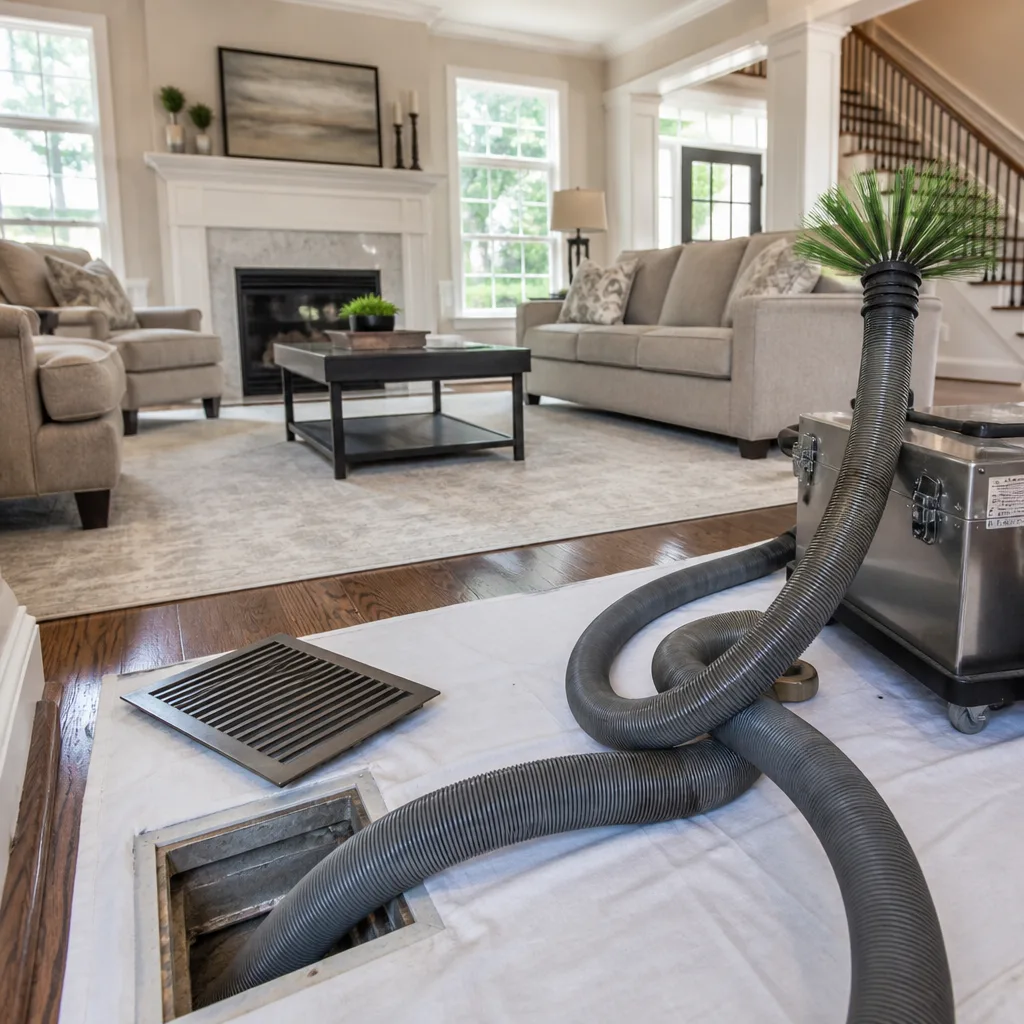 Whole-home duct cleaning
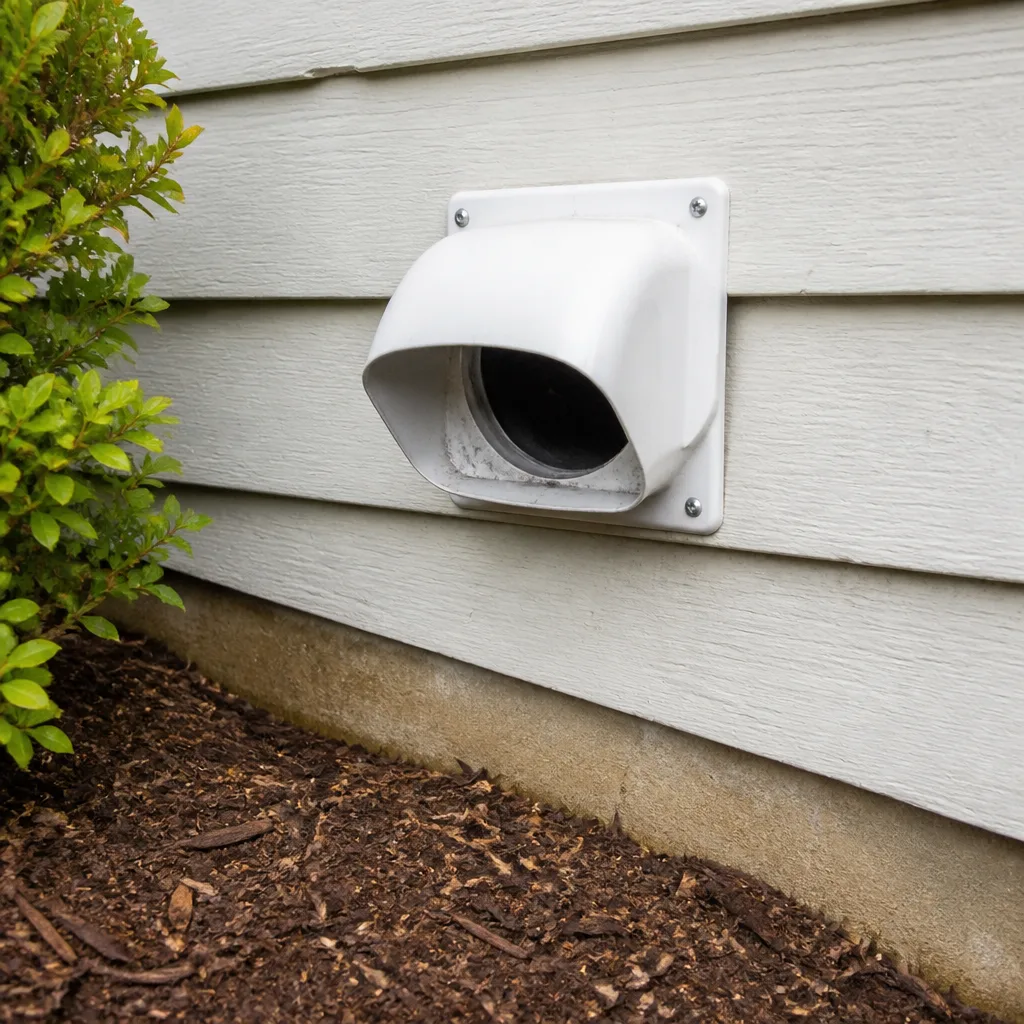 Dryer vent cleaning
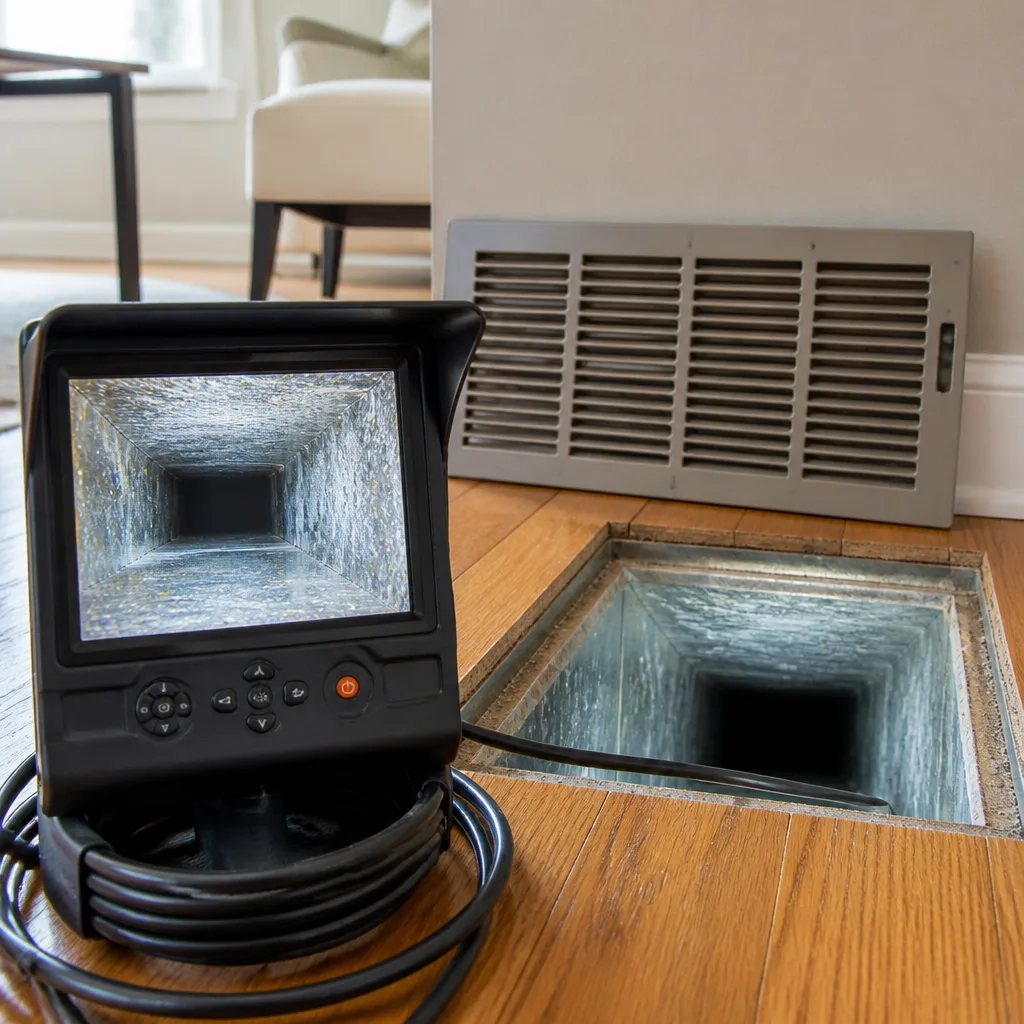 Camera inspection
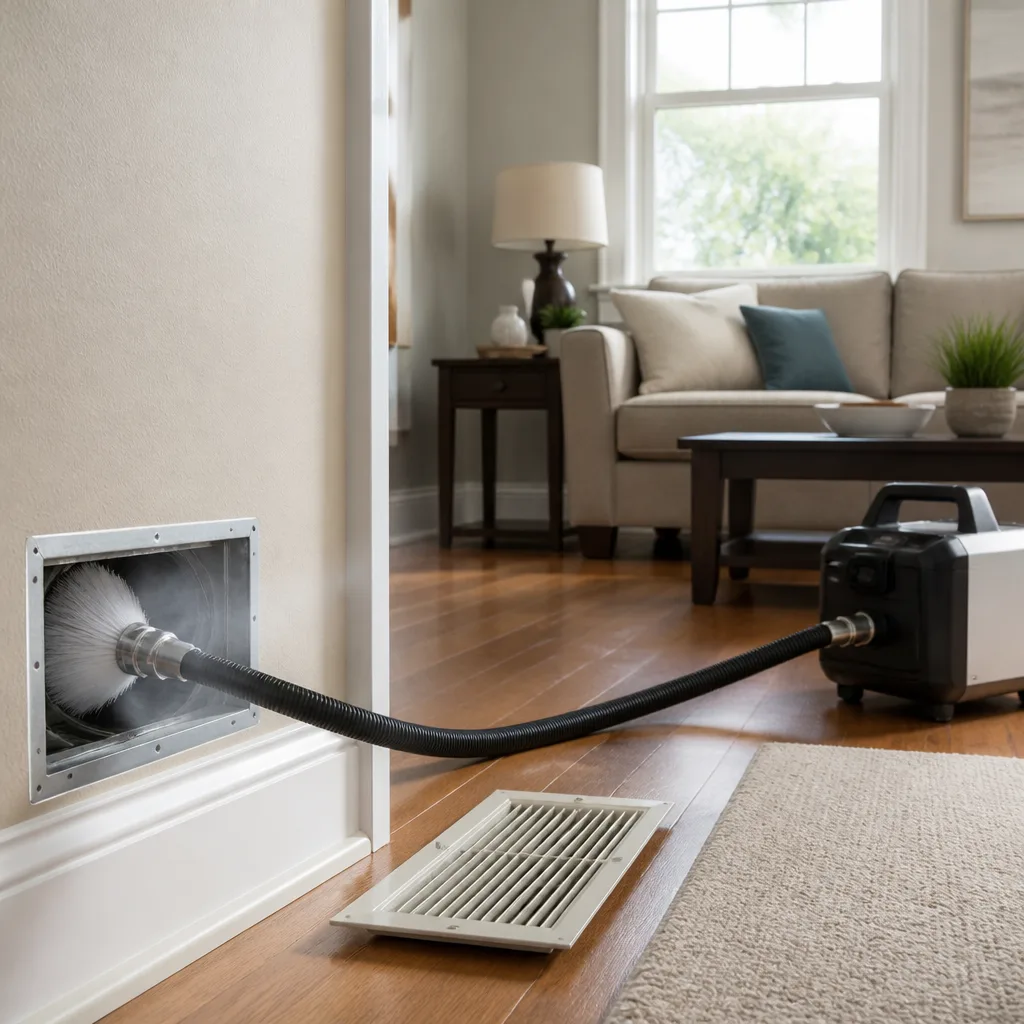 Sanitizing & deodorizing
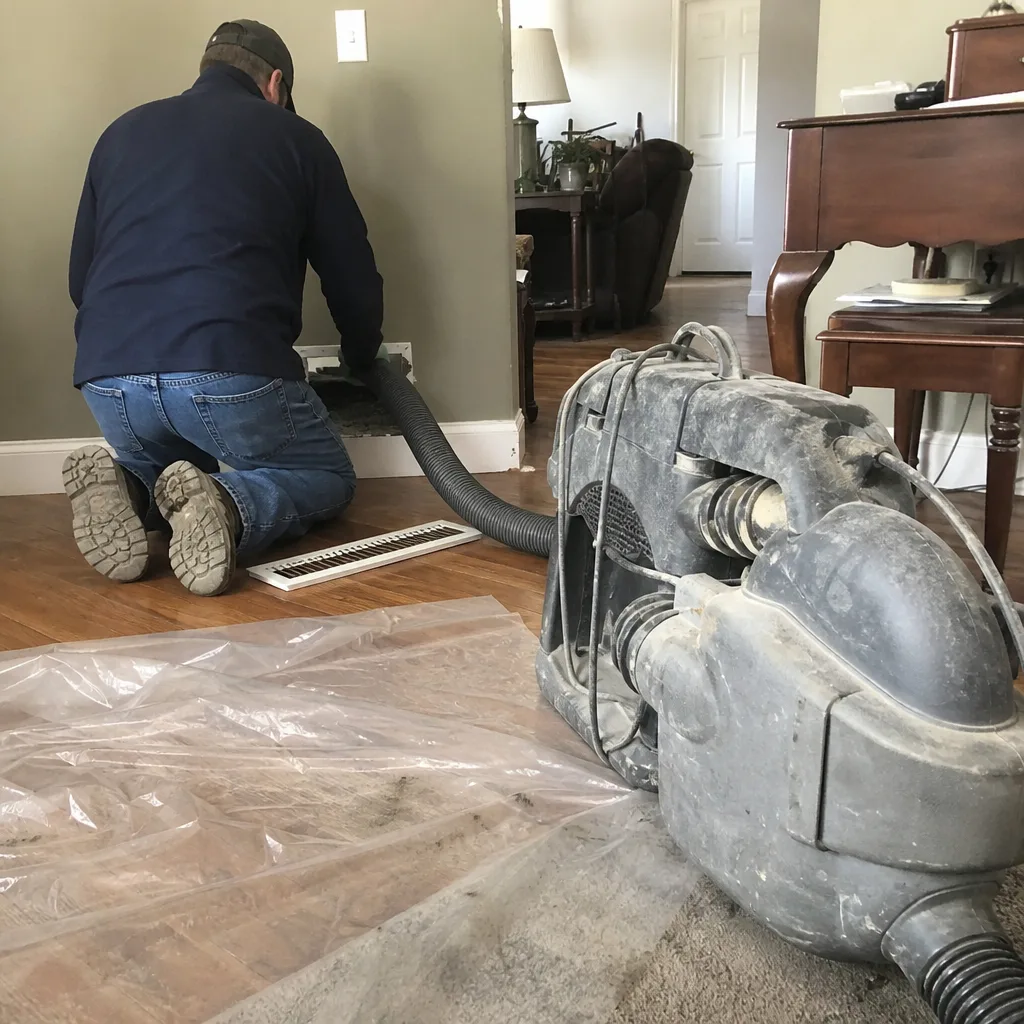
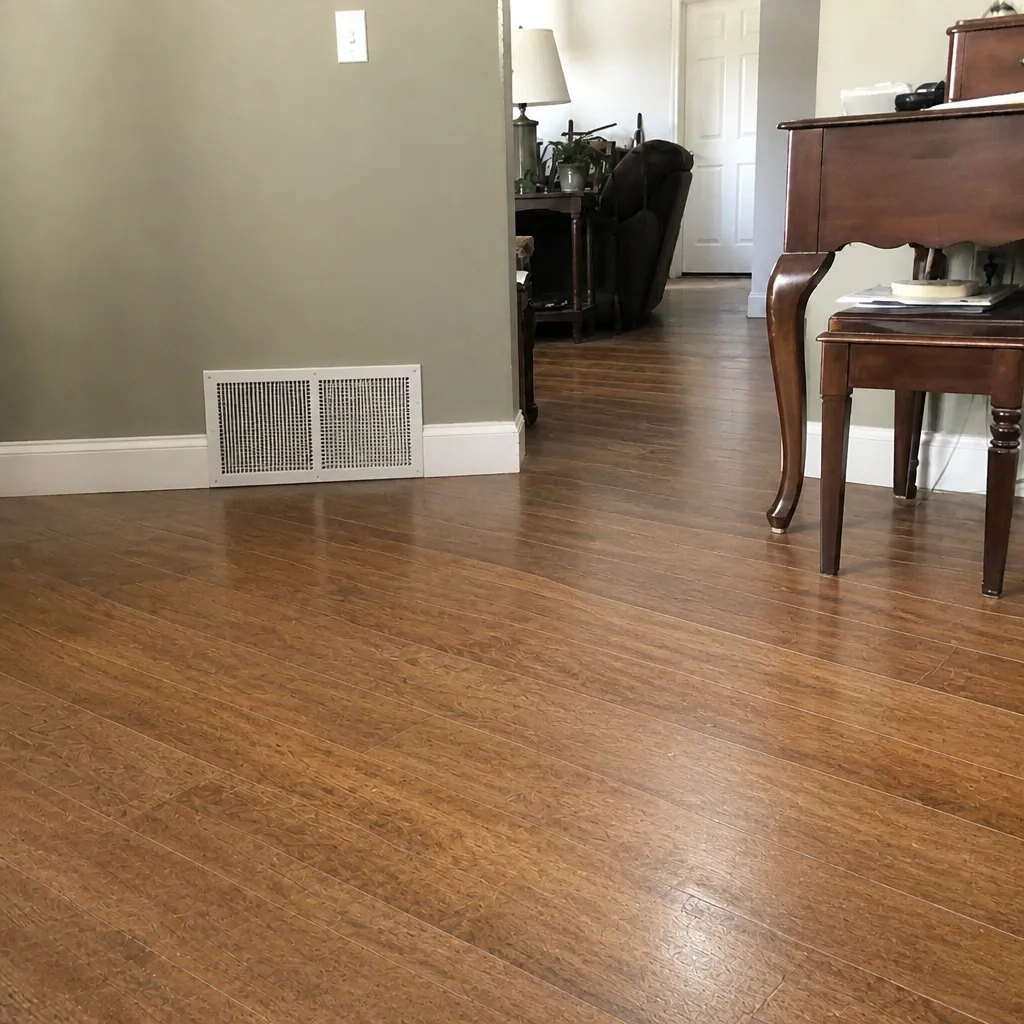
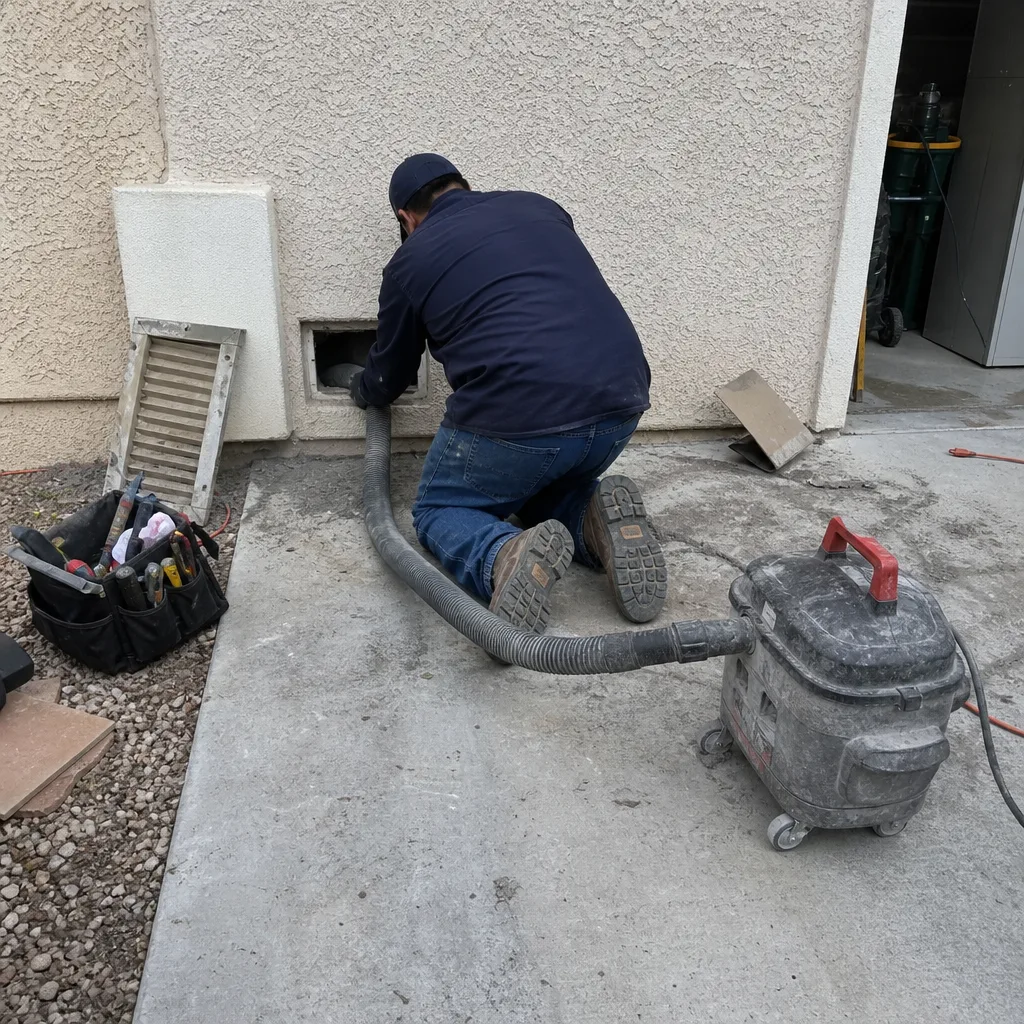
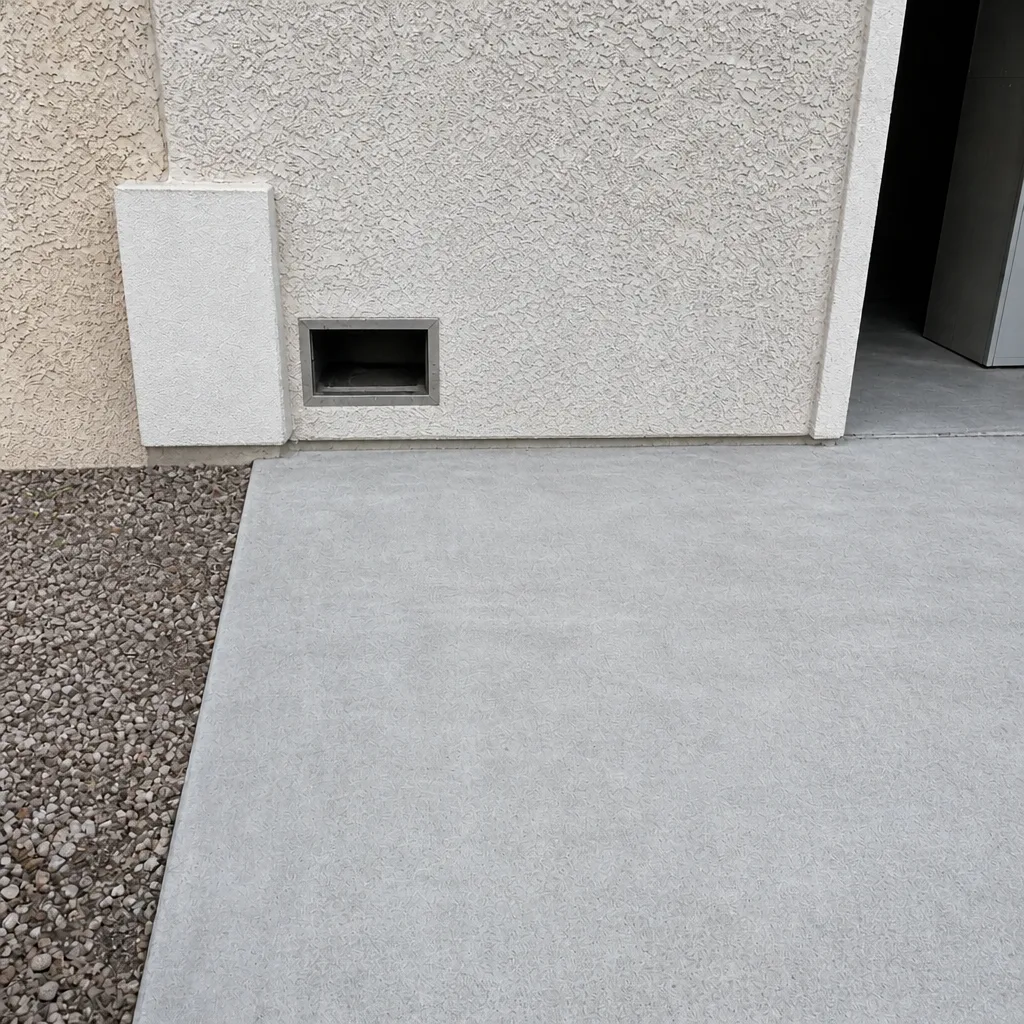
Whole-system duct and dryer vent check with before-and-after photos - you see exactly what came out of your vents
That "$99 whole-house special" is a bait ad - the real number appears once they are in your hallway, or the "clean" is a shop-vac at the register. We photograph the inside of your ducts before and after instead.
How to Hire an Air Duct Cleaning Contractor in Spring Valley: A Step-by-Step Guide
“Are you licensed and insured?” is the wrong first question in Spring Valley. Nevada doesn’t issue a dedicated duct cleaning license, so the answer tells you almost nothing about whether the person at your door is carrying professional equipment or a shop vac with a long hose. A general contractor’s license and a liability policy don’t clean ducts. The real filter is technical: what vacuum capacity they run, whether they carry a duct camera, and whether their quote is itemized or a flat number designed to hide what they’ll skip. This guide gives you an interview script, not a checklist you’ve already seen on ten other sites.
Quick Answer
To hire a duct cleaning contractor in Spring Valley, NV, verify equipment first (ask for vacuum CFM capacity, portable versus truck-mount, and whether a duct camera is on the van), then verify credentials (NADCA membership versus certification, which are different things), then read the quote for itemization. Skip anyone who quotes a flat price before inspecting your system. A legitimate contractor walks your system, opens access points, and photographs what they find before naming a number. Our technicians have up to 9 years of experience, and we’re happy to answer every question below on the phone before you book anything.
Styles & brands we work with
- Whole-home duct cleaning
- Dryer vent cleaning
- Camera inspection
- Sanitizing & deodorizing
Table of Contents
- Why Duct Cleaning in Spring Valley Attracts Low-Bid Operators
- The Five Equipment Questions to Ask Before Booking
- NADCA Membership vs. NADCA Certification: What’s the Difference?
- How to Read a Duct Cleaning Quote
- The On-Site Walkthrough Test: The First Ten Minutes
- Red-Flag Sales Tactics Specific to Duct Cleaning
- What Spring Valley Homes Actually Deal With
- Step-by-Step: Booking a Contractor in Spring Valley
Why Duct Cleaning in Spring Valley Attracts Low-Bid Operators
Spring Valley’s housing stock matters here. The area’s mix of older ranch homes and mid-2000s stucco subdivisions means duct systems vary enormously from one street to the next and even between adjacent properties. Flexible duct in a 1990s build deteriorates differently than rigid metal in a newer one. A contractor who quotes the same flat rate for every house on a block isn’t pricing your ducts. They’re pricing a coupon.
Nevada doesn’t regulate duct cleaning as its own trade, so entry barriers are low. Anyone can print “specialist” on a van. That’s not a reason to despair; it’s a reason to ask sharper questions. When we look at how the market operates in Spring Valley, the pattern is consistent: the operators who arrive with consumer-grade vacuums compete on price, and they can only win on price because they can’t compete on equipment. Professional equipment costs money. A van with a shop vac costs almost nothing.
Here’s what you’re actually trying to distinguish between:
- Professional-grade systems – purpose-built rotary brush and negative-pressure units like Rotobrush or Nikro, designed for lined and metal ductwork.
- Consumer-grade substitutes – wet/dry vacuums with aftermarket hoses, sometimes dressed up with a custom sticker.
- HEPA capture – Abatement Technologies or comparable HEPA filtration that holds what’s dislodged instead of pushing it into your kitchen.
- Diagnostic capability – a camera and a technician who can spot disconnected joints, not just a brush that goes in and out.
Our Highpoint Duct Cleaning approach runs on the first and third categories. That distinction is the whole conversation. You can’t feel it in a brochure, but you can hear it in the questions below.
The Five Equipment Questions to Ask Before Booking
A good duct cleaning contractor will happily answer these five questions on the phone. Most contractors won’t volunteer the answers unprompted, which is exactly why you should ask before a technician ever pulls up. Any hesitation on the first two is your signal to keep calling.
- What’s the CFM capacity of your vacuum unit? CFM means cubic feet per minute, the airflow the unit can move. Ask for a number. A real negative-pressure system pulls enough volume to keep debris suspended and moving toward the capture point; consumer vacuums don’t. An operator who can’t tell you the rating of their own machine doesn’t know their equipment.
- Is it truck-mount or portable? Truck-mount units sit on the vehicle and deliver higher sustained suction through a hose run into the house. Portable HEPA units work well for systems with limited access or multi-story layouts. Both can do quality work. Neither is a wet/dry vacuum. Ask which they’re bringing and why, and listen for a real answer.
- Do you carry a duct camera? This is the quiet separator. A camera lets a technician actually see disconnected joints, crushed flex runs, and debris loading inside a trunk line. An operator without one is guessing.
- Do you use HEPA filtration on-site? Ask if the vacuum exhaust passes through HEPA filters. That’s the difference between capturing contaminants and redistributing them into the room you’re standing in. Abatement Technologies HEPA units are the standard we work with.
- What about rotary agitation? A brush that follows the duct contours loosens what a vacuum alone won’t lift. Rotobrush rotary systems are the industry standard for this, and it’s the piece a shop vac cannot replicate no matter how long the hose is.
Write these five down before you make calls. If a contractor answers two and deflects three, thank them and dial the next number. There’s no shortage of companies in Spring Valley advertising duct cleaning; there is a shortage of ones who can talk about their equipment without a script.
NADCA Membership vs. NADCA Certification: What’s the Difference?
NADCA is the National Air Duct Cleaners Association, and the distinction between membership and certification matters more than most homeowners realize. Membership means a company has joined the association and can display the logo. Certification means an individual technician passed an exam and maintains continuing education. A company can hold membership without a single certified technician on staff.
That’s not a knock on membership. It signals a baseline of industry engagement. But if you’re comparing two contractors with NADCA logos on their websites, the next question should be about the certifications behind the logo.
You can verify in about two minutes:
- Ask which NADCA certifications their technicians hold. Common answers include Air Systems Cleaning Specialist (ASCS) or Certified Ventilation Inspector (CVI).
- Ask how many technicians on the crew attending your job actually hold one. A company with one certified technician and six uncertified doesn’t send the certified one to every job by default.
- Check the NADCA directory online for the company name. Membership listings are public.
If a contractor pushes back on any of this or says “certification isn’t required in Nevada,” they’re technically correct and strategically wrong. Certification isn’t required. Neither is competence. The certification question is your shortcut to knowing which contractors cared enough to test their staff. Our position is simple: you don’t have to be NADCA certified to be good, but a contractor should be able to explain their training path without flinching.
How to Read a Duct Cleaning Quote
A trustworthy duct cleaning quote is itemized. A flat-rate number given without inspecting your system tells you nothing except that the company has decided on a price before seeing anything. That’s not a quote. That’s a coupon with a technician attached.
When a contractor walks through and then sends a written estimate, look for these line items:
- Number of vents and returns counted. The quote should reflect what’s actually in your house, not a generic assumption.
- Main trunk line treatment. Cleaning individual vents without addressing the trunk feeding them is a partial job. The main line is where debris accumulates.
- Access point creation and resealing. Opening the duct system requires cutting access holes. A legitimate quote includes sealing them afterward.
- Vacuum source and method. The written estimate should name the equipment category (negative pressure with HEPA capture, rotary agitation, etc.).
- Scope statement for damage found. This is the piece most quotes skip. If the contractor finds a disconnected joint or crushed flex run mid-job, what happens? A thorough quote addresses this in writing before the work starts.
The low-bid trap works like this: a very low advertised rate gets the van to your door, and then a technician discovers something alarming inside your system. The invoice grows. Sometimes the discovery is legitimate. Sometimes it isn’t. You can’t tell the difference unless the original quote spelled out what “found damage” would look like and how it would be priced.
Our approach is one flat price per system, agreed in writing before work starts. No per-vent pricing, no surprises on the invoice. When you compare quotes, ask every contractor what their “found damage” policy is. Anyone who hasn’t thought about it isn’t doing this work often enough to have opinions about it.
The On-Site Walkthrough Test: The First Ten Minutes
A legitimate duct cleaning contractor does roughly the same thing in the first ten minutes of any job. A blow-and-go operator skips almost all of it. The walkthrough is the clearest evidence you’ll see, and it happens before any equipment is turned on.
What a thorough walkthrough looks like:
- Locate and count the return grilles. Not just supply vents. Returns drive the airflow loop and they’re where the most debris collects.
- Identify the air handler and filter position. Knowing which side is the return and which is supply matters. Most contractors glance at this. A thorough one opens the filter door to check condition.
- Inspect accessible flex and rigid sections. Sagging flex, crushed sections in tight transitions, and disconnected joints should be noted, not glossed over.
- Photograph or record access points. Where will cutting happen, and where will resealing happen?
- Discuss the scope and confirm the plan. A contractor who skips this step will make decisions on your behalf during the job. A good one tells you what they’ll touch and what they’ll leave alone.
If the technician who arrives at your door doesn’t do at least four of the above, you’re not getting a walkthrough. You’re getting a sales repositioning.
This is also where Air Duct Repair capability matters. A technician with repair training notes damaged sections during the walkthrough and can address them in the same visit. A cleaning-only contractor notes the damage and hands you a card for a second company to call. That’s the origin of a very common homeowner frustration: cleaning done, damage still there, second appointment needed. We bring the repair capability to the same service window because we’ve seen how often cleaning reveals a problem the system was carrying all along.
Red-Flag Sales Tactics Specific to Duct Cleaning
Duct cleaning has its own flavor of sales pressure, and it’s worth learning the shape of it before you book. These tactics show up in Spring Valley same as anywhere else, and they’re not subtle once you know what to watch for.
Mold upsells without sampling
If a technician pulls a camera image of anything dark in your duct and calls it mold, ask for air sampling or surface sampling before you authorize any additional work. Mold identification requires laboratory analysis. Anyone diagnosing it from a camera shot is guessing, and the guess is convenient for the invoice.
“Whole-house specials” priced below cost
If the advertised rate is dramatically lower than other quotes, it isn’t affordable. It’s bait. The economics only work if the base scope is minimal and the upcharges arrive later. Compare the written estimate against what a complete job should include (see the itemization list above).
Same-day pressure closes
“I’m in the neighborhood today only and this rate expires at 5pm” is a sales line, not a scheduling reality. Legitimate duct cleaning books ahead. If a contractor is that eager to lock you in before you’ve thought it through, the honest concern is that they don’t want you comparing.
Refusing to give a written estimate
Every legitimate contractor puts it in writing. No exceptions. If they only quote verbally or “on the van,” walk away politely.
No camera, sudden certainty
A contractor with no duct camera who claims to know the exact condition of your system without opening access points is guessing. Sometimes the guess is right, but the process is still wrong.
What Spring Valley Homes Actually Deal With
Spring Valley sits west of the Las Vegas Strip, and the local duct environment is shaped by two things that don’t apply in more humid climates: dust volume and summer heat. The desert air holds fine particulate that settles into HVAC systems over years, and the sustained summer heat drives long cooling runtimes that push that particulate through the system repeatedly. Duct cleaning here is less about mold (rare in this climate) and more about accumulation and airflow restriction.
Spring Valley’s housing mix amplifies the range. Older ranch homes often have rigid metal trunk lines and flexible branch runs that have aged differently depending on when they were last serviced. Mid-2000s stucco subdivisions typically run longer flex duct spans, which need more careful inspection at bends and transitions. Neither style is inherently worse, but a contractor who can’t tell you the difference during the walkthrough isn’t paying attention.
For homeowners near Rhodes Ranch or the Spanish Trail area, the typical call pattern is seasonal. Late spring, before the cooling season ramps up. Early fall, after the summer run. People notice airflow changes when the system is working hardest, and that’s when accumulated debris becomes noticeable inside the house.
The other thing worth mentioning: ducts are part of a system, not an isolated component. If you have a Honeywell or Aprilaire filtration or humidity control setup, duct cleaning should account for how that equipment interacts with the airflow it’s regulating. A contractor who treats the ducts in isolation from the filtration system will miss the picture. Our technicians work with both, because cleaning the ducts without considering what’s filtering the air is half a job.
Step-by-Step: Booking a Contractor in Spring Valley
Here’s the sequence, in the order that saves you the most time and grief.
- Call three contractors. Two or three is enough to spot the pattern. Take notes on the same questions for each.
- Ask the five equipment questions. CFM rating, portable or truck-mount, duct camera, HEPA filtration, rotary agitation. Note which ones answer clearly and which deflect.
- Verify NADCA standing. Website logo, directory listing, and ask which specific certifications their technicians hold.
- Request an on-site walkthrough estimate. Insist on it. Free estimates are standard; a company that won’t come walk your system isn’t serious about pricing your job.
- Read the written quote for itemization. Vents counted, trunk line included, access sealing included, vacuum method named, found-damage policy stated.
- Ask about damage discovered mid-job. What’s the process, what’s the pricing, and will it be agreed before work continues?
- Book and confirm what they’ll need from you. Clear access to returns, air handler, and any areas where vents are covered by furniture.
That’s the whole script. It takes about 20 minutes of phone work and reads every quote with the right lens. For a deeper dive into what the service actually involves, our air duct cleaning page covers the process start to finish.
One more consideration worth flagging before you book: dryer vent cleaning is a separate service from air duct cleaning, and it matters just as much in dry climates where lint accumulation is a real fire risk. If you’re already booking duct work, ask if the same contractor handles dryer vent cleaning at the same visit. Our specialization is exactly three services – air duct cleaning, dryer vent cleaning, and air duct repair – because focus produces better work than a broad menu.
Common Mistakes to Avoid
- Choosing on price alone. The lowest quote almost always corresponds to the cheapest equipment and the shortest scope. Ask what’s in the base rate, not just what the rate is.
- Believing “licensed” is meaningful for duct work. Nevada doesn’t license duct cleaning as its own trade. General contractor licenses and insurance matter for construction but they don’t distinguish a Rotobrush system from a shop vac. Ask equipment questions.
- Skipping the walkthrough. If a company quotes a price without anyone walking your system, treat that number as an opening bid, not a final estimate. Spring Valley’s varied housing stock means every house is different.
- Accepting a mold diagnosis from a camera. If mold is the upsell, ask for laboratory sampling before authorizing any additional work. Anything less is guesswork dressed as science.
- Not asking about damage policy mid-job. Disconnected joints, crushed flex runs, and leaking connections are common findings. A contractor without a repair capability hands you the diagnosis and a second number to call. That’s not dishonest, it’s just incomplete scope.
- Missing the trunk line. If the quote doesn’t mention the main trunk, it’s a vent-cleaning job, not a duct cleaning job. The trunk is where the debris lives.
- Overlooking the air quality equipment already in the house. Honeywell and Aprilaire filtration or humidity systems interact with the ducts. A contractor who ignores them will give you cleaner ducts and no clearer picture of the whole system.
See the difference
 Before
 After
 Before
 After
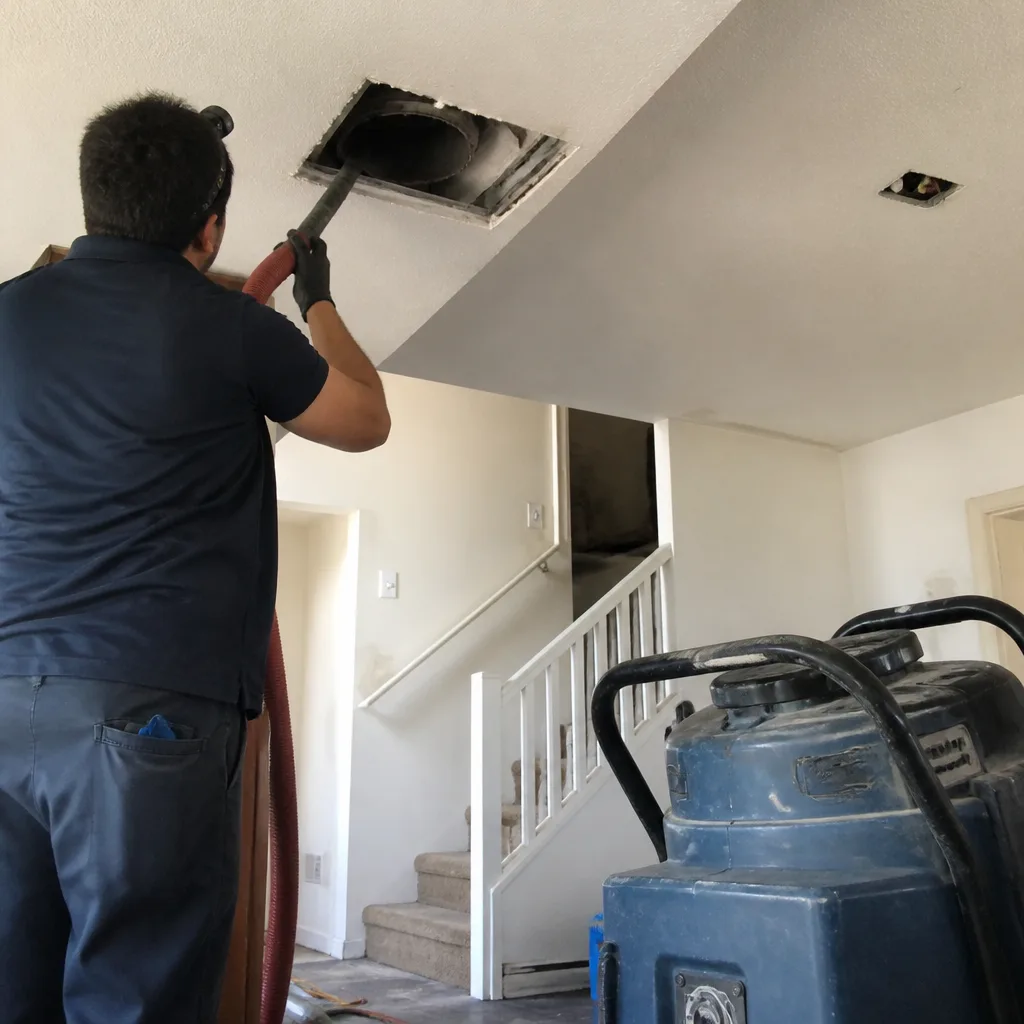 Before
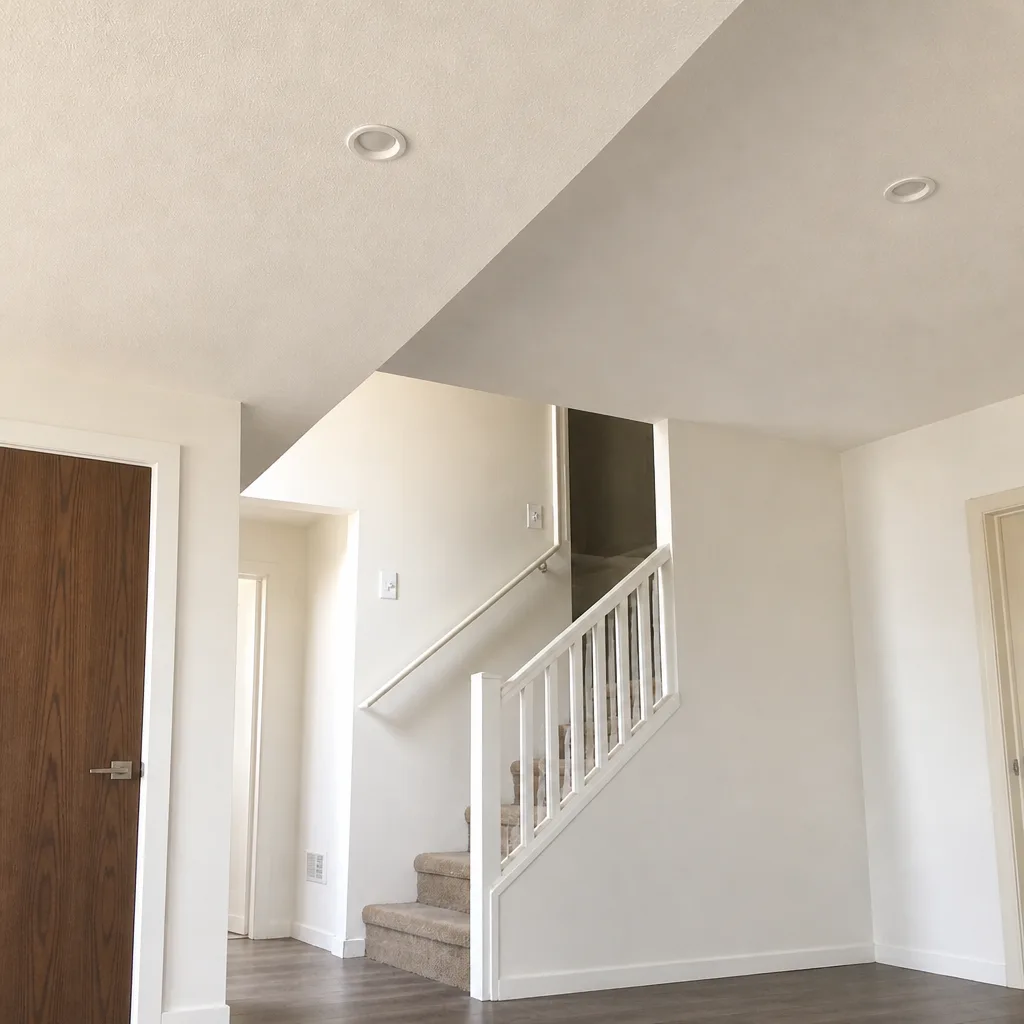 After
When to Call a Professional
Duct cleaning isn’t a task you should try to handle yourself, but you don’t need to schedule it on a fixed calendar either. Call a professional when you notice consistent airflow changes between rooms, when dust accumulates noticeably faster than it used to, when you’ve recently moved into a Spring Valley home with an unknown service history, when visible debris shows up at a return grille, or when a remodeling project has introduced construction dust into the system. You should also call if you’ve had recent pest activity in the attic or if a technician during an unrelated service flagged damage or disconnected duct runs. Any of these is a reason to book a walkthrough estimate, not a DIY project – consumer vacuums and duct systems mix badly, and a trained eye catches problems a homeowner can’t see. Highpoint Duct Cleaning offers free estimates in Spring Valley – call (866) 724-9559.
Frequently Asked Questions
Prices in Spring Valley are set per system, not per vent, and depend on the size of the system, the number of returns, and whether any repair work is needed. Advertised flat rates that undercut the market by a wide margin usually reflect minimal scope. The only number that matters is the written estimate after a walkthrough. Call (866) 724-9559 – estimates are free.
There is no dedicated duct cleaning license in Nevada, so “licensed” alone doesn’t distinguish a quality contractor from a low-bid operator. Use equipment questions (vacuum capacity, duct camera, HEPA filtration) and NADCA certification status as your actual filters, not the license checkbox.
Most homes in Spring Valley benefit from cleaning every three to five years, though frequency depends on the system, whether pets live in the home, and how much dust the surrounding environment contributes. Homes with recent remodeling, older duct systems, or occupants with dust sensitivities may need it more often. There’s no universal calendar; the walkthrough tells you what your specific system needs.
Cheap quotes usually reflect cheaper equipment (a shop vac rather than a Rotobrush or Nikro system), a narrower scope (vents only rather than vents plus trunk line), and pressure-based upcharges during the visit. The advertised price is a foot in the door, not a final estimate. Compare written itemized quotes rather than headline numbers.
Ask for before-and-after photos of your own ductwork at each access point. A contractor with a duct camera can produce those without effort. If the photos aren’t offered, request them in the original booking. Any contractor unwilling to document the work they were paid for is telling you something.
Some contractors can only clean; repair requires separate specialty. We offer air duct repair as a named service alongside cleaning, so if a disconnected joint or crushed flex section shows up during the walkthrough or the work itself, it can be addressed in the same service window. Ask every contractor you interview what they do when damage surfaces, and how they price it.
NADCA certification refers to individual technicians who have passed an exam and maintain continuing education. It’s different from company membership, which is simply the business joining the association. Ask specifically which certifications the technicians attending your job hold.
The Bottom Line
Hiring in Spring Valley comes down to a handful of questions that most companies don’t want asked. The equipment conversation separates professional systems from consumer substitutes. The NADCA question separates certified technicians from logo-decorated websites. The quote structure separates itemized estimates from coupon-bait flat rates. And the walkthrough separates contractors who inspect from contractors who sell. Once you’ve asked all four, the choice is usually obvious, and the rest of the process – booking, walkthrough, work, documentation – follows straightforwardly. Our Spring Valley guide and service pages walk through every piece of that process in more detail, and our technicians have up to 9 years of experience answering exactly these questions on the phone.
Call (866) 724-9559 for a free estimate. We answer 24/7. Fast dispatch from 7am to 7pm, Sunday through Friday. One call, one crew, one standard.
Written by the team at Highpoint Duct Cleaning.