
Last updated November 14, 2026
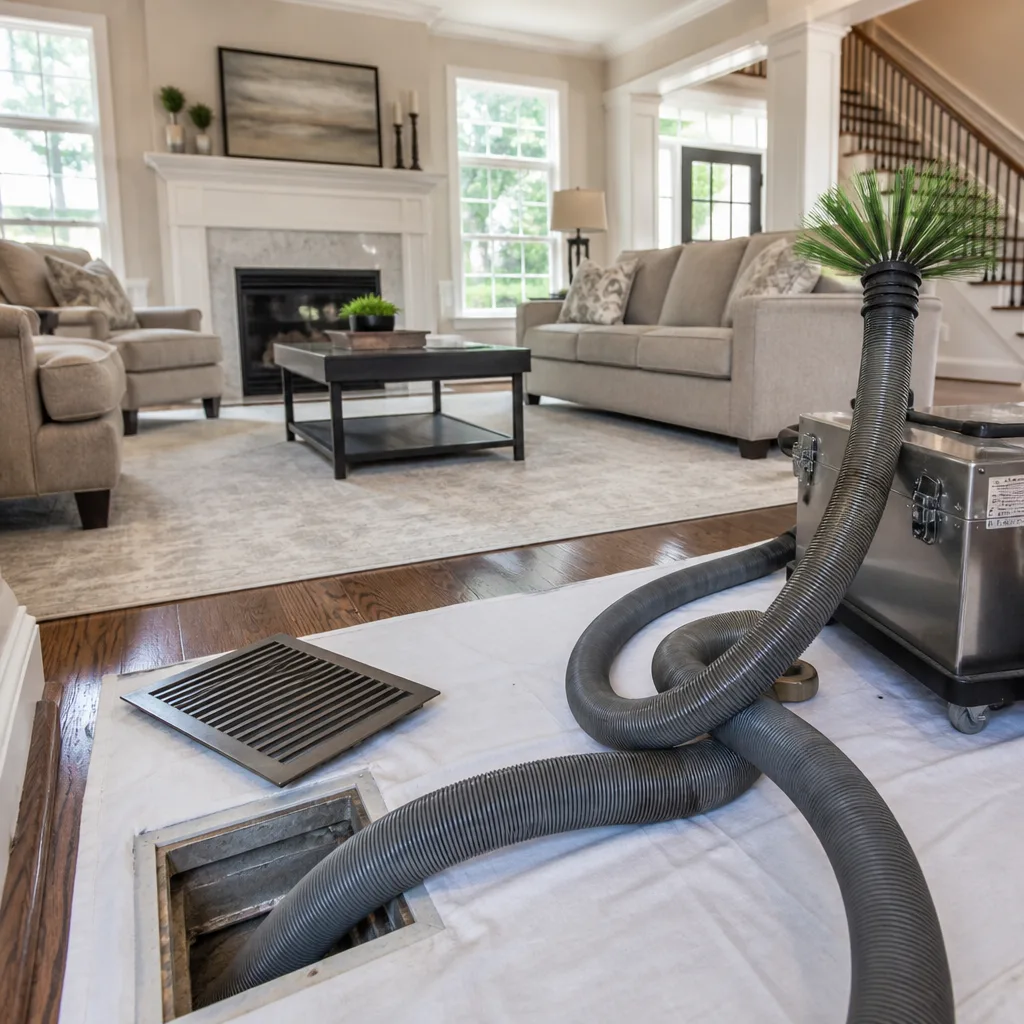 Whole-home duct cleaning
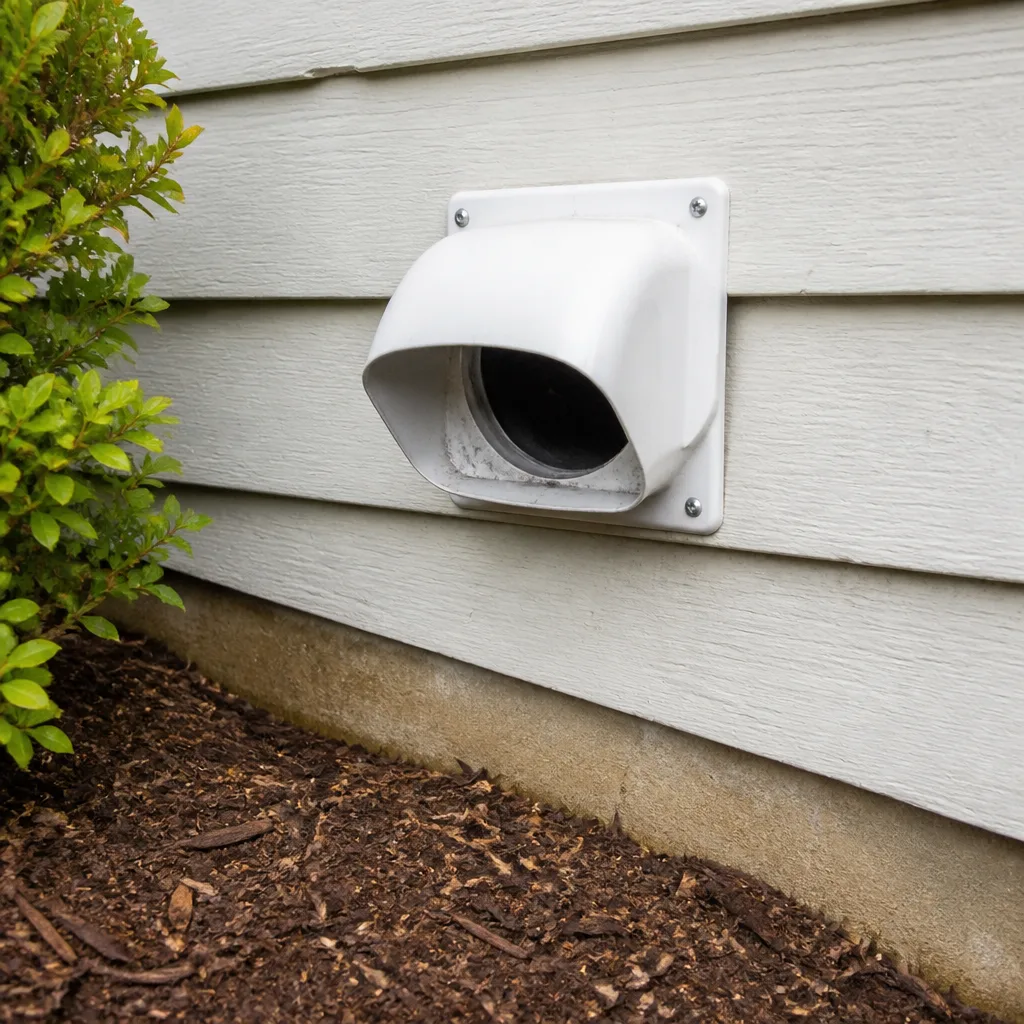 Dryer vent cleaning
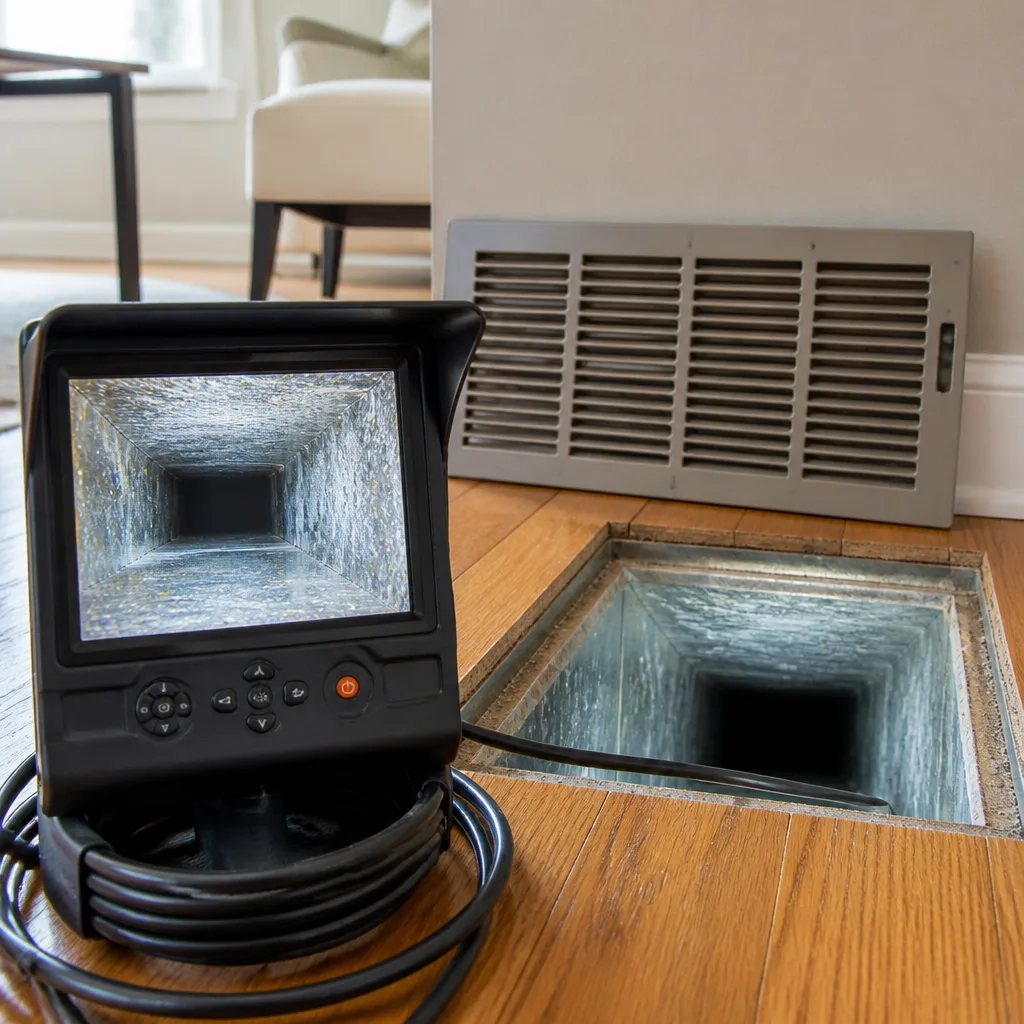 Camera inspection
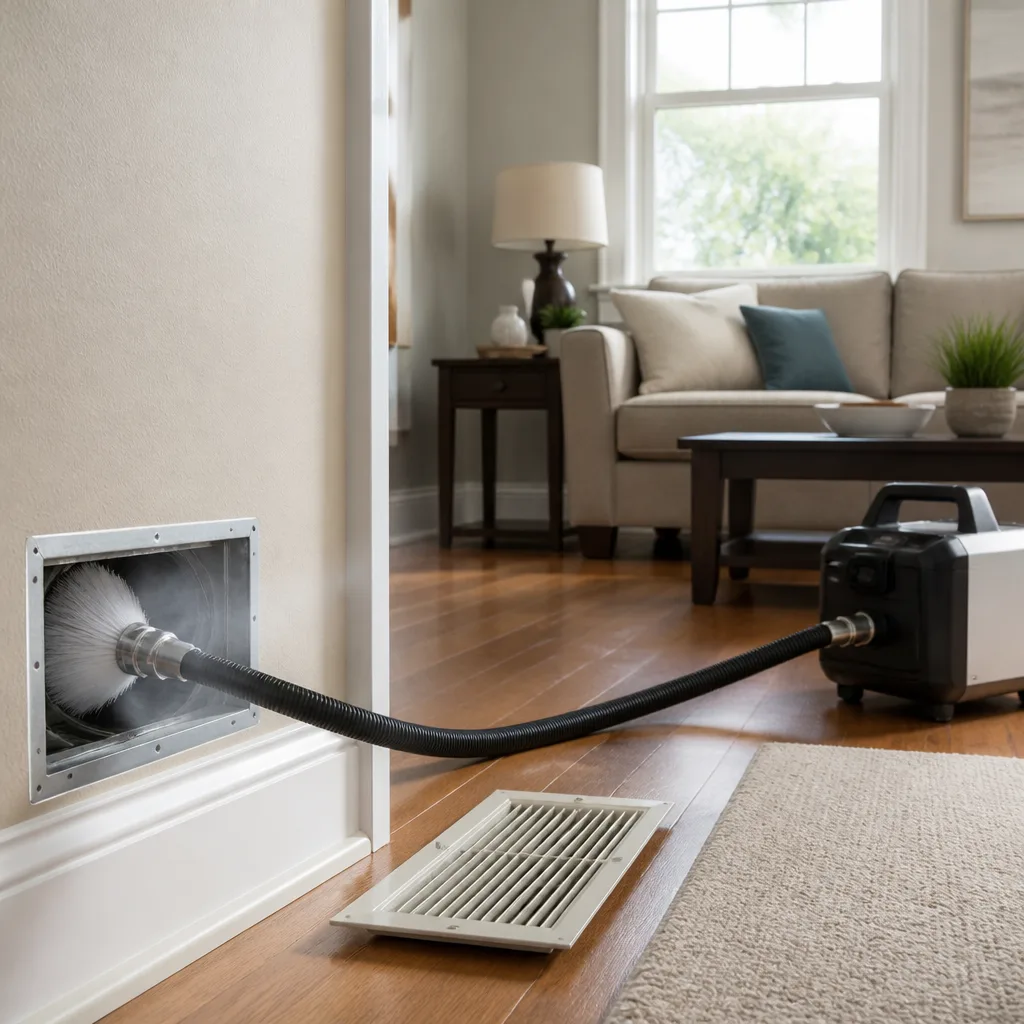 Sanitizing & deodorizing
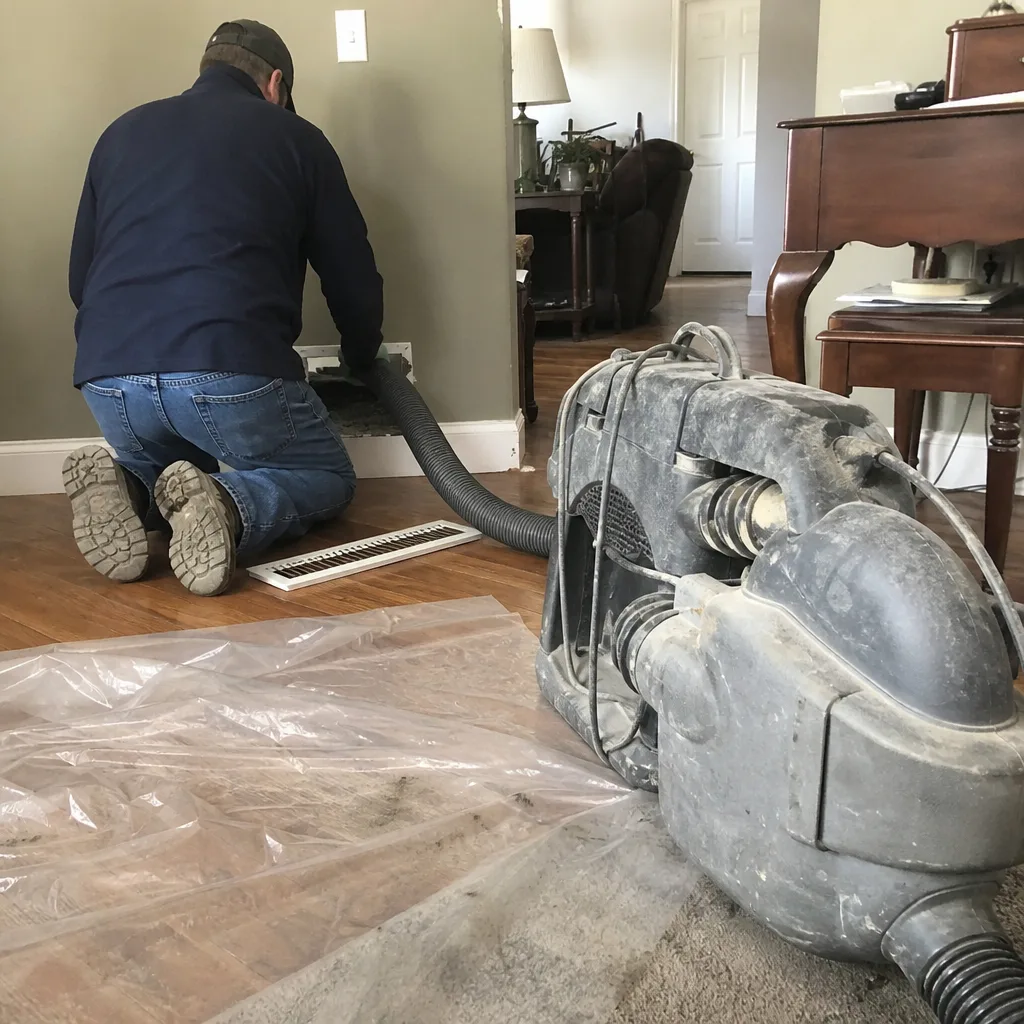
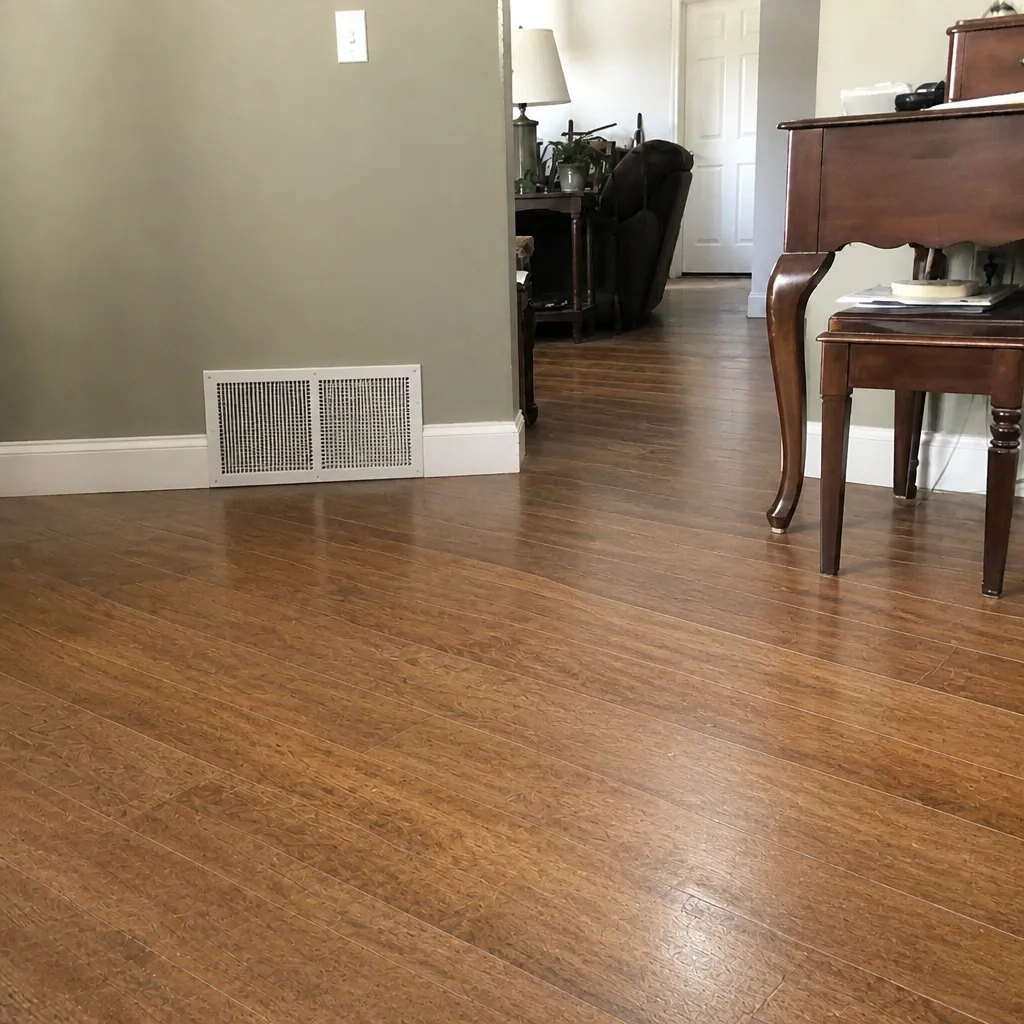
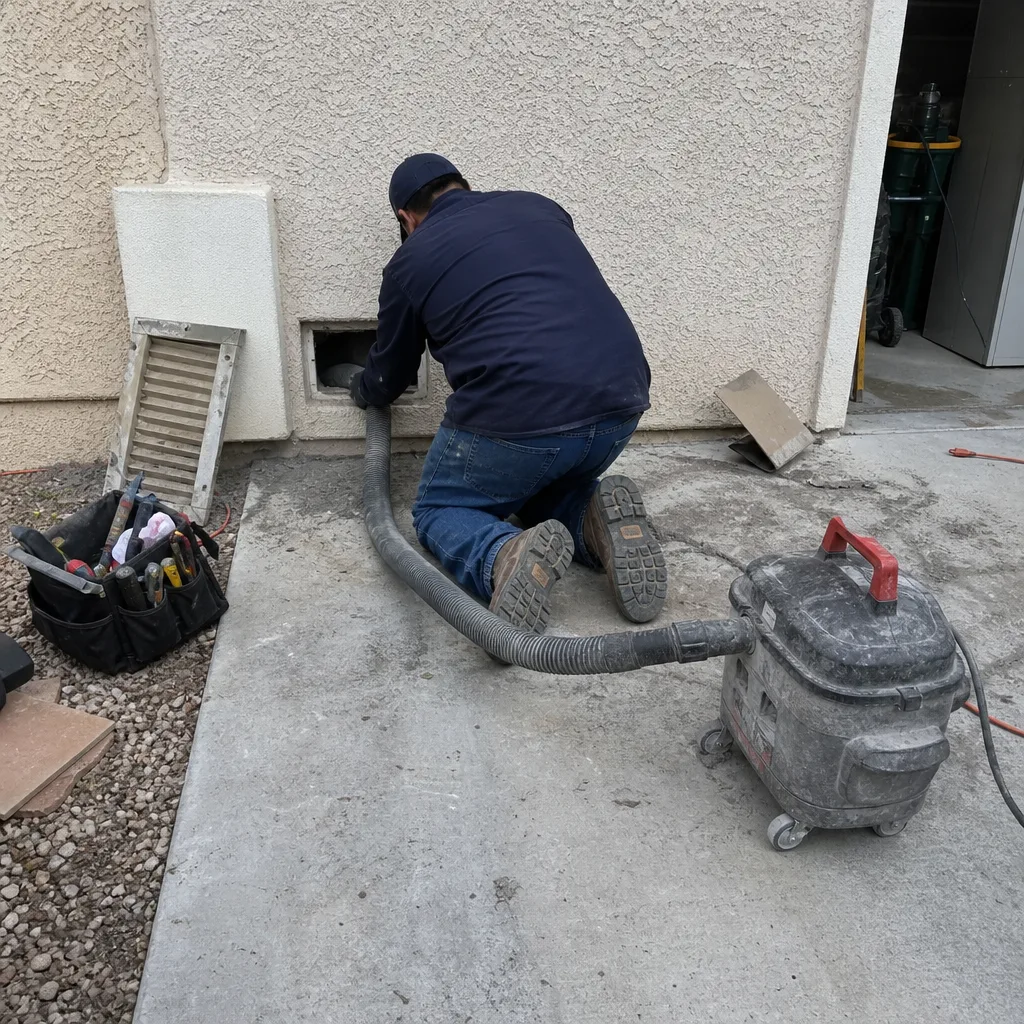
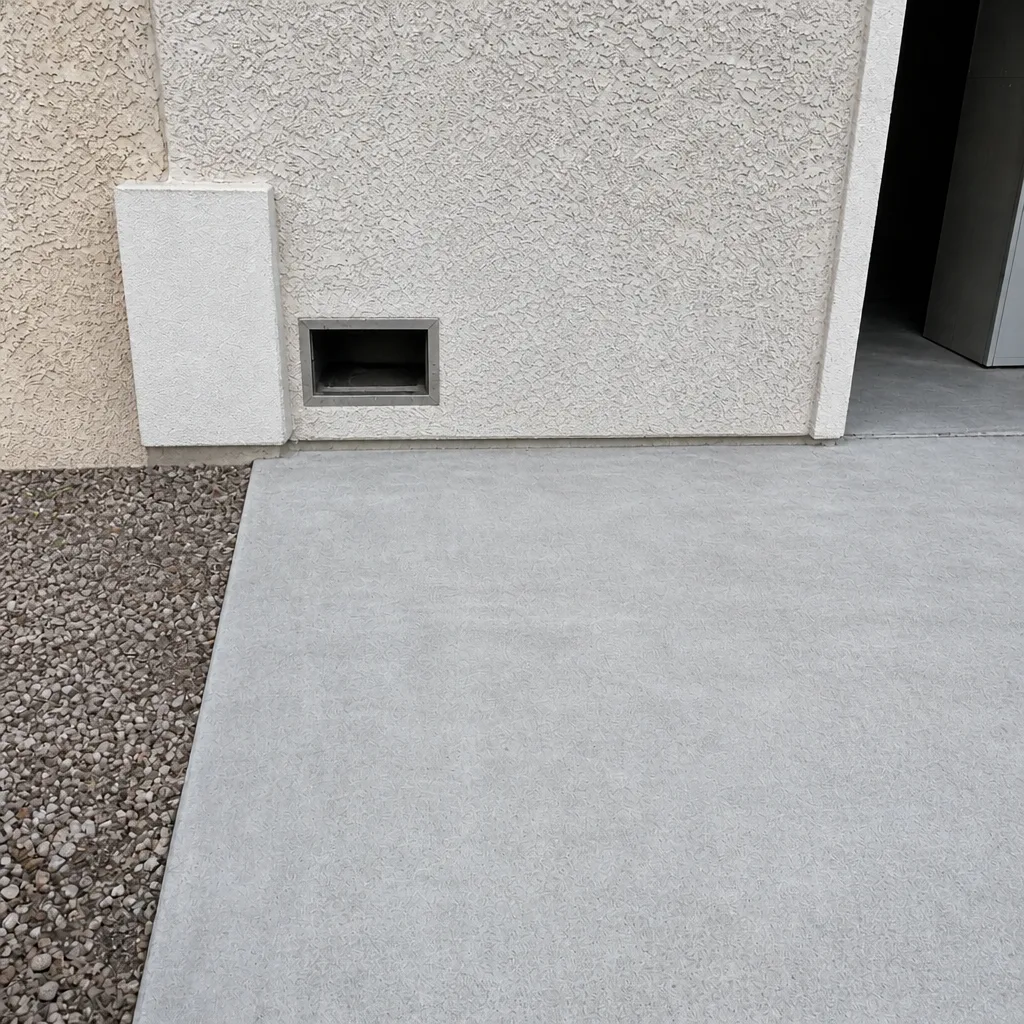
Whole-system duct and dryer vent check with before-and-after photos - you see exactly what came out of your vents
That "$99 whole-house special" is a bait ad - the real number appears once they are in your hallway, or the "clean" is a shop-vac at the register. We photograph the inside of your ducts before and after instead.
DIY vs Professional Air Duct Cleaning: The Spring Valley Homeowner’s Decision Guide
The most popular DIY duct cleaning method, a household vacuum with a brush attachment, creates negative pressure inside the duct that can dislodge debris further into the system. It’s not just ineffective. In some duct configurations it makes the problem measurably worse, pushing dust past the register boot and into the air handler where you can’t reach it. We’ve seen the results of this in Spring Valley more than a few times. So this guide draws an honest line: what a homeowner can legitimately handle, what genuinely requires professional equipment, and where DIY work crosses into territory that costs more to fix afterward.
Quick Answer
DIY air duct cleaning cannot match professional results because consumer vacuums can’t sustain the 150+ CFM of continuous negative pressure needed to pull debris out of flex and metal ductwork. Homeowners can and should handle surface tasks like register wiping and filter changes, but anything involving the duct interior, damaged liner, suspected mold or post-construction debris calls for professional source-removal cleaning with HEPA containment. The rest of this guide shows exactly where that line sits for a Spring Valley home.
Styles & brands we work with
- Whole-home duct cleaning
- Dryer vent cleaning
- Camera inspection
- Sanitizing & deodorizing
Table of Contents
- Why DIY Duct Cleaning Fails: The Physics of Source Removal
- What You Can Legitimately Do Yourself
- When DIY Is Contradicted: Four Scenarios That Require Professionals
- The Real Cost Comparison in Spring Valley
- The Hybrid Approach: How to Prep Before a Professional Visit
- Spring Valley-Specific Factors That Change the Equation
- What Professional Equipment Actually Looks Like
- Building a Reasonable Maintenance Rhythm
Why DIY Duct Cleaning Fails: The Physics of Source Removal
Professional duct cleaning rests on one non-negotiable principle: source removal. You pull contaminants out of the system with sustained vacuum and mechanical agitation working together, from the source rather than stirring them up. That distinction is what separates actual cleaning from a household vacuum run along the inside of a register boot.
Consumer vacuums are built for floor debris. They produce suction measured in inches of water lift, which falls off sharply the moment you add several feet of hose and a brush attachment. Once you push a shop vac hose into a duct run, the pressure drop across that hose and the brush leaves you with a fraction of the suction rating printed on the box. Professional equipment works very differently. Rotary brush systems agitate the duct lining while negative-pressure extraction pulls material toward the vacuum. HEPA-filtered units hold that negative pressure across the full length of the run, not just at the entry point.
Flex duct complicates this further. The spiral ribbing traps dust, hair and fiber in the folds of the inner liner. A brush or a household vacuum glides over the ridges and leaves material behind, sometimes packing it tighter. Professional rotary brushes are sized and spun for the duct diameter so they work the liner without shredding it. Then high-volume extraction holds capture so nothing gets redistributed into the living space.
Here’s the part most guides skip: without true negative pressure, a DIY attempt can push debris deeper into the system. Once it migrates past the register boot toward the plenum and the air handler, you’ve moved it out of your reach and into a place where professional intervention becomes mandatory. That’s the real reason we say the DIY question is about airflow before it’s about effort. If you want to understand what a full professional process looks like, our air duct cleaning page lays out every step.
What You Can Legitimately Do Yourself
A meaningful chunk of duct-adjacent maintenance is genuinely DIY-appropriate, and doing it well makes any professional visit more efficient. None of it reaches inside the duct run, and that’s the point.
- Wipe down visible registers and return grilles. A microfiber cloth with mild soap removes the surface layer of dust before it gets pulled back through the system. Lift the grille if the hinge or screws allow it and clean both faces.
- Replace return-air filters on schedule. Filter changes are the highest-leverage air quality task you can own. A clogged filter strains airflow and circulates more dust. Check your filter every month or two depending on seasonal dust and how often the system runs.
- Inspect return grilles with a flashlight. Look for cracking, sagging or visible debris accumulation. Note what you find. It’s information that helps a technician work faster.
- Look at exposed duct sections. In basements, garages and utility areas, some ductwork is visible. Check for disconnected joints, obvious tears in the flex liner, or rust spots. Note locations rather than trying to repair anything.
- Keep furniture and storage clear of return grilles. Blocked return air starves the system and increases pressure imbalances that pull more dust from unconditioned spaces.
What you don’t do is stick a brush or a shop vac hose into a duct run. Surface readiness is yours. The duct interior is a different job with different equipment. A professional cleaning package handles what you cannot safely reach, and for Spring Valley homeowners with a typical forced-air setup, that boundary stays the same.
When DIY Is Contradicted: Four Scenarios That Require Professionals
Some situations are not “DIY might not work well.” They’re situations where DIY intervention risks spreading contaminants into your home’s air. These need containment protocols beyond what any consumer setup can offer.
- Suspected mold inside the ductwork. Visible discoloration, a persistent musty smell or moisture staining around registers means moisture may have reached the duct system. Agitating mold-contaminated ducts with a household vacuum will aerosolize spores into the air handler and living space. Professionals use negative-pressure HEPA containment so spores get captured at the source rather than dispersed. This is standard practice for equipment like the Abatement Technologies units we work with.
- Rodent evidence. Droppings, nesting material or chewing damage around the duct system require proper containment and personal protective equipment. Hantavirus and other pathogens associated with rodent waste make DIY extraction genuinely unsafe. Professional containment protocols and HEPA filtration exist for exactly this reason.
- Damaged or torn duct liner. Flex duct’s inner liner can tear when a rough brush or high-speed consumer tool is forced through it. Damaged liner can’t be “cleaned” into submission. It needs repair or replacement. Cleaning without repairing the breach is money spent to leave a problem in place.
- Post-construction or renovation debris. Drywall dust, sawdust and construction debris are heavier and finer than ordinary household dust. A household vacuum can pull construction dust into the air handler where it coats the evaporator coil. This requires professional extraction and often air duct repair where sections were compromised. Our Spring Valley service area sees a lot of renovation work, and post-remodel duct cleaning is one of the most common reasons homeowners call.
If you’re sitting on any of these four scenarios, the honest answer is to stop before opening a register. Call and get a professional assessment rather than experimenting on a system you can’t see inside.
The Real Cost Comparison in Spring Valley
Cost comparisons in this category tend to fall apart because most of them compare the wrong things. The real question isn’t “DIY rental fee vs. professional quote.” It’s what each path actually delivers and what the downside cost is if DIY makes things worse.
A whole-home professional air duct cleaning typically runs from around $350 to $700 for a standard single-family home, with larger or more complex systems running higher. That price is set per job by a written estimate. We never quote per vent for exactly this reason: per-vent pricing turns into a volume game that has nothing to do with how thorough the job is.
DIY involvement means a shop vac you probably already own, maybe a brush kit, maybe a rental. Total outlay: $50 to $150 depending on what you buy or rent. That sounds dramatically cheaper, and it is, until you factor in what happens if the attempt dislodges debris into the air handler. A coil cleaning or blower cleaning is a separate professional visit, and you’ve still never actually cleaned the ducts. The cheap path can end up costing more than the straight professional path, with nothing to show for it.
| Scenario | Typical Range | What You Get |
|---|---|---|
| DIY surface tasks only (registers, filters, visual checks) | $20-$80 in supplies | Cleaner registers, protected airflow, useful information for a future technician |
| DIY with shop vac into a duct run | $50-$150 | Risks pushing debris deeper, no true interior cleaning |
| Professional whole-home duct cleaning | ~$350-$700 (per written estimate) | Source-removal cleaning, HEPA capture, before-and-after photos |
| Professional cleaning plus air duct repair | Quoted per job after inspection | Cleaning plus repair of damaged or disconnected duct sections in one visit |
| Follow-up air handler cleaning after failed DIY | Separate professional visit | Undoing what the DIY attempt caused |
The written estimate is what sets the final price, and you should ask for it before any work begins. One flat price per system, agreed in advance, is the standard we hold to. For more on what shapes estimates in this city, see our guide to dryer vent cleaning for a parallel breakdown of how professional pricing works on a related system.
The Hybrid Approach: How to Prep Before a Professional Visit
The smartest play for most Spring Valley homeowners is neither pure DIY nor a hands-off call. It’s prep. A few hours of your own effort before a professional visit makes the job faster, more thorough and easier for the technician to plan around. This is informed division of labor, not a sales pitch.
- Clear register access. Move furniture, rugs and anything blocking the floor and wall registers the technician will need to reach. This alone can shorten a visit meaningfully.
- Note every concern location. Walk the house with a notepad or phone and photograph anything suspicious: dark staining near a register, a rattle in the duct when the system runs, a room that never feels properly conditioned. Hand the technician a list of problem rooms instead of trying to explain from memory.
- Locate the air handler and return plenum. Know where they are so the technician doesn’t spend time on a walkthrough. Keep a path clear.
- Replace the filter before the visit if it’s overdue. Starting the visit with clean airflow helps the technician judge what came out of the ducts versus what came from a clogged filter.
- Mention any recent renovation. Post-construction dust changes the cleaning approach and may affect whether air duct repair is likely. This saves a return visit.
One call, one crew, one standard is how we like to operate. Prep makes that crew more effective. It doesn’t replace them. The equipment does work a homeowner cannot replicate, and the prep work gets that equipment to the right places faster. That’s a good trade.
Spring Valley-Specific Factors That Change the Equation
Spring Valley sits in a desert valley, and the climate shapes how duct systems age here in ways that matter to the DIY question. Long stretches of dry heat with seasonal windblown dust mean ductwork accumulates a fine mineral and dust layer faster than in a humid climate. That dust doesn’t clump. It settles as a light coating that gets airborne the moment your blower comes on. It’s also harder to extract than the wetter, stickier debris found in coastal homes, because it migrates through the system rather than staying put.
That’s not the case, some homes here have ductwork connected to systems that use evaporative cooling. These systems introduce moisture into the airstream, and when they’re off for months, duct interiors can develop conditions that a household vacuum should never touch. If your home has that kind of setup, professional assessment comes before any cleaning attempt, full stop.
Another local consideration: Spring Valley’s mix of older single-family homes and newer construction means duct systems vary widely. Some have rigid metal trunk lines with short flex branches. Others are flex throughout. Flex duct is more vulnerable to damage from aggressive DIY attempts, and the liner damage often isn’t visible without inspecting from inside the run. This is where professional air duct repair earns its place. We clean it. If we find damage, we fix it. In Spring Valley, that often means repairing a liner or reconnecting a joint discovered mid-clean, in the same service window.
Season matters too. Most proper duct cleaning here happens in spring and early fall before seasonal transitions push dust through the system. Attempting DIY cleaning in the middle of a dust event tends to redistribute the load rather than remove it. If you’re timing a professional visit, factor in that airflow patterns and dust load shift across the year. Our Highpoint Duct Cleaning team plans around this, and any written estimate should include a realistic walkthrough of what your system needs.
What Professional Equipment Actually Looks Like
One of the reasons “professional duct cleaning” gets a bad reputation is that the phrase means wildly different things. A company that arrives with a shop vac and a coupon is not doing the same job as one that shows up with purpose-built rotary brush and negative-pressure HEPA equipment. The gap isn’t marketing. It’s physical capability.
- Rotobrush rotary brush systems: Mechanical agitation matched to duct diameter. The brush spins against the liner to break debris loose while extraction pulls it toward collection.
- Nikro vacuum equipment: High-powered negative-pressure units that sustain suction across the full duct length. This is what makes source removal possible instead of surface wiping.
- Abatement Technologies HEPA filtration: On-site filtration that captures contaminants rather than venting them into the living space. This is the remediation-tier standard that generic duct cleaners don’t carry.
- Honeywell and Aprilaire system familiarity: Understanding how filtration, humidity and airflow interact in your air handling system, so duct cleaning isn’t treated as a standalone task.
- Guardsman protective treatments: An additional layer of post-cleaning protection beyond what most competitors offer, applied after cleaning rather than instead of it.
None of this equipment fits in a consumer’s garage, and none of it substitutes for a real assessment of what your system needs. When you’re comparing quotes and one is dramatically cheaper, ask what equipment is coming to the house. The answer usually explains the price difference. Our technicians have up to 9 years of experience working with this exact equipment, and the difference shows in what they find inside a system.
Building a Reasonable Maintenance Rhythm
The honest position on duct cleaning frequency is that there isn’t a universal number. Homes with pets, recent renovations, smokers or occupants with allergies need more frequent attention. Homes with clean systems and disciplined filter changes can go longer. What matters is rhythm, and rhythm is where DIY and professional work fit together.
Here’s what a reasonable cycle looks like in most Spring Valley homes:
- Monthly: Check and replace the return air filter. Wipe down register grilles.
- Quarterly: Visual inspection of accessible duct sections. Note any change in airflow, odd smells, or new sounds from the system.
- Annually: Walkthrough and assessment. Professional cleaning when conditions call for it, or on a cadence agreed with a technician after a genuine assessment.
- After any renovation: Professional duct cleaning regardless of cadence. Construction dust is its own category.
- Any time you notice warning signs (musty smell, visible dark staining, a room that under-performs): call for assessment before attempting DIY.
DIY keeps the rhythm going between professional visits. Register wiping, filter discipline and visual checks catch problems early. The professional visit handles the interior cleaning that keeps the cycle from accumulating. If your rhythm includes dryer vent cleaning on a parallel schedule, the logic is the same: surface tasks for the homeowner, interior and equipment-dependent tasks for the technician. Both services matter for a home’s overall air and safety picture, and both reward the same disciplined approach.
Common Mistakes to Avoid
- Using a household vacuum inside a duct run. The pressure drop across a consumer hose and brush means suction falls far below what the box claims. Worse, the airflow can dislodge debris further into the system.
- Skipping the filter change before a DIY attempt. Starting a cleaning with a clogged filter means circulating the dust you’re trying to remove. Change the filter first, always.
- Assuming a cheap quote signals the same work. Low-bid operators often do surface-level register wiping and call it a cleaning. Ask what equipment is coming to the house and what containment is used.
- Ignoring a musty smell until it spreads. In a dry desert climate, moisture problems in ductwork can go unnoticed because the air outside is dry. A persistent smell is a warning sign that needs professional assessment, not a diffuser.
- Forgetting post-renovation cleaning. Drywall dust and construction debris need professional extraction. Waiting to clean until months have passed lets debris settle into the system and into the air handler.
- Attempting to “clean” damaged duct liner. A torn flex liner gets worse with brushing. If you suspect damage, stop and call for repair assessment.
- Treating duct cleaning as a one-time event. Without a rhythm of filter changes and periodic assessment, dust accumulates quietly until airflow is affected.
See the difference
 Before
 After
 Before
 After
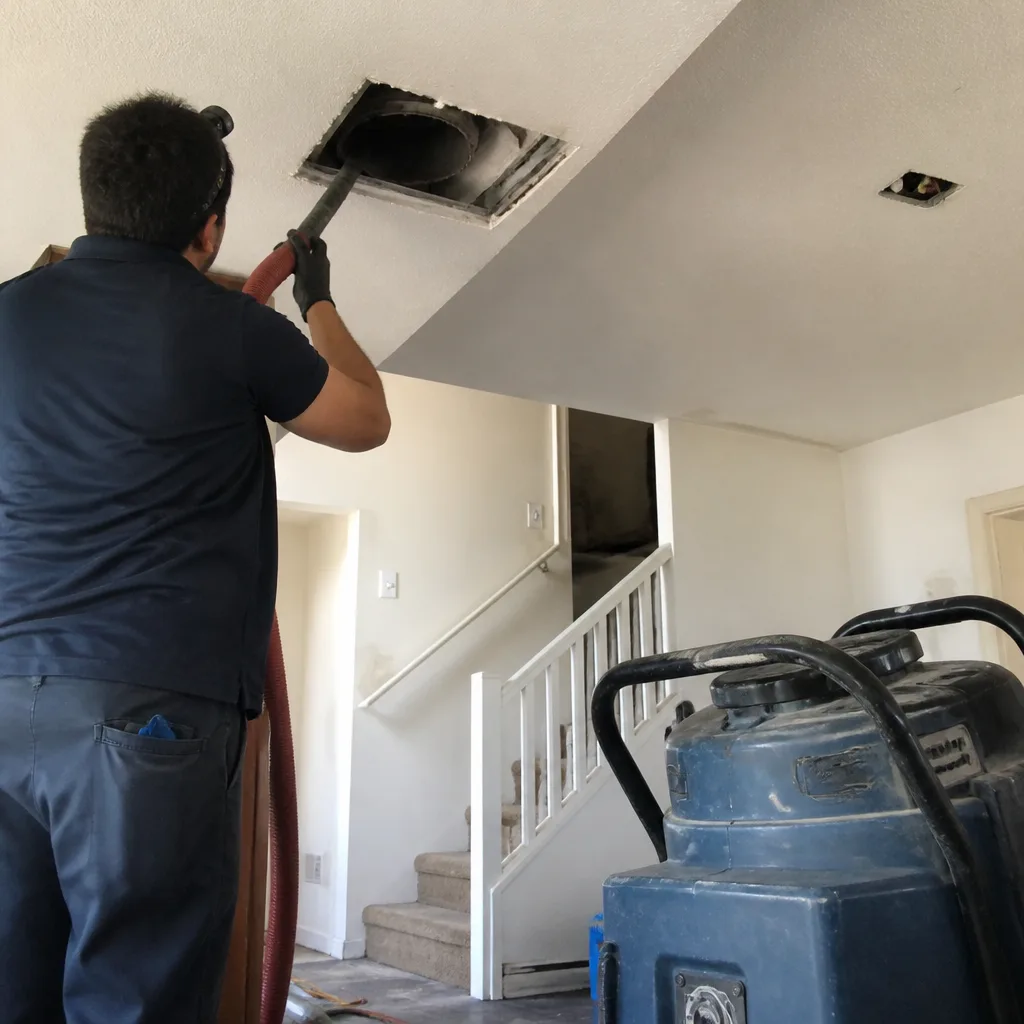 Before
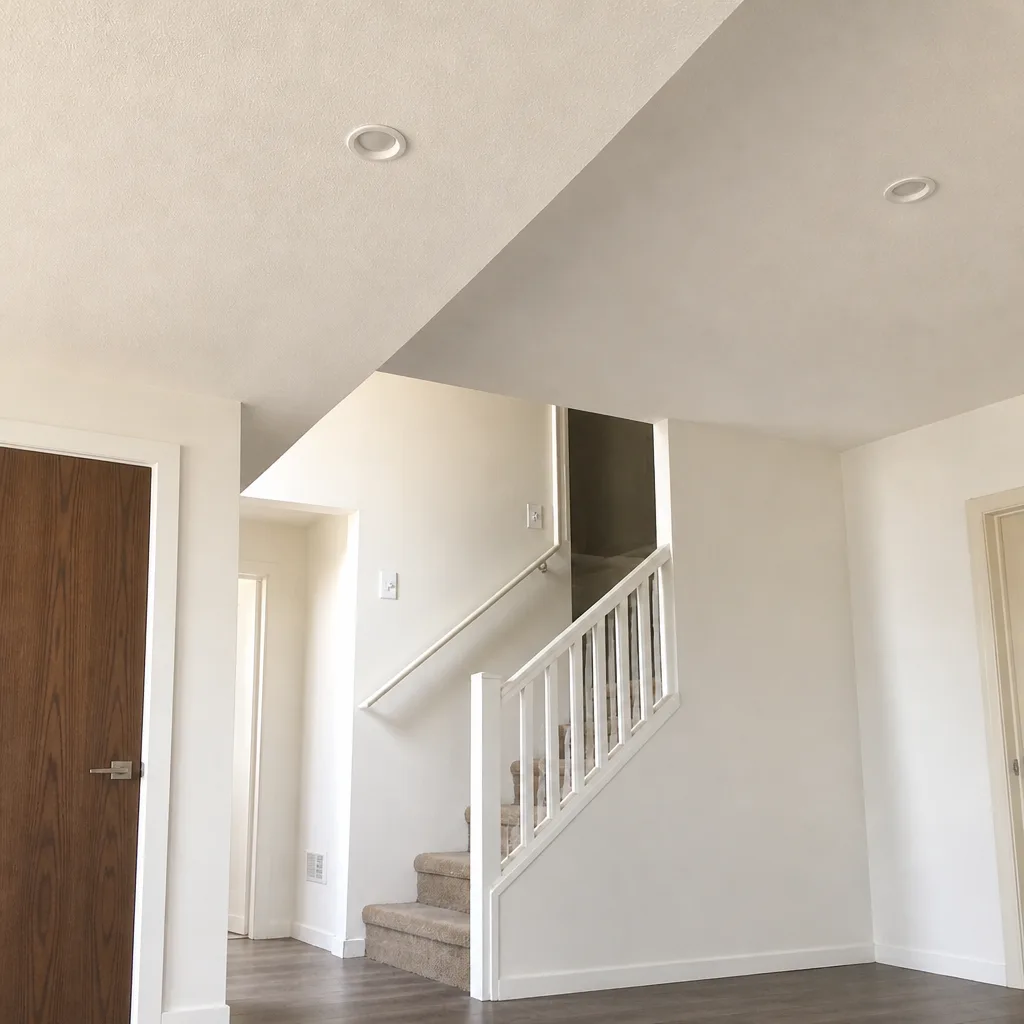 After
When to Call a Professional
Call a professional when any of the following is true: you suspect mold or moisture in the ductwork, you’ve found rodent evidence, you’ve noticed a torn or disconnected duct liner, you’ve recently wrapped up a renovation, or you’re unsure what you’re looking at after a self-inspection. Call if the air in a closed room smells different from the rest of the house, or if a room consistently heats or cools poorly. Call if a DIY attempt with a shop vac has already happened and you’re now noticing odd smells or airflow changes. In each of these cases, the equipment and containment matter too much to leave to consumer tools. Highpoint Duct Cleaning offers free estimates in Spring Valley. Call (866) 724-9559 to book an assessment and find out what’s actually going on in your system.
Frequently Asked Questions
There’s no universal number, because frequency depends on your home. Homes with pets, occupants with allergies, recent renovations or ongoing dust exposure need cleaning more often than a well-sealed, low-dust home. Judge by warning signs (musty smells, visible staining, poor airflow in specific rooms) and by periodic professional assessment rather than a fixed calendar. A technician can give you a genuine cadence recommendation for your Spring Valley home after inspecting the system. Call (866) 724-9559 for an exact assessment. Estimates are free.
You cannot replicate source removal, so the honest answer is no. A shop vac loses most of its suction through the hose and brush, and it doesn’t sustain the negative pressure needed to extract debris from a duct run. In some flex duct setups it dislodges debris further into the system instead of removing it. Surface tasks like register wiping and filter changes are appropriate DIY work. Interior duct cleaning is not.
Because the work isn’t the same. Low-bid quotes often come from operators using consumer-grade vacuums passed off as professional tools, with no true negative pressure and no HEPA containment. The cleaning is shallow, and the equipment can’t reach what’s actually accumulated in the system. Ask what specific equipment is used on the job and whether HEPA filtration is on-site. Our air duct cleaning process uses purpose-built rotary brush and negative-pressure systems, and that’s why our pricing looks different. Call (866) 724-9559 for a free estimate that reflects what the work actually involves.
Persistent musty odors, visible dark staining around registers, a room that consistently flows worse than the rest of the house, and any recent renovation all point toward professional assessment. Rodent evidence or visible liner damage are immediate calls for professional help. Any of these in a Spring Valley home warrants an inspection rather than a DIY attempt.
You should see it. Before-and-after photos of your own ductwork are the clearest evidence that a cleaning happened and what it removed. In our case, we take photos inside the duct before extraction and again after, and you get the images. A company that can’t show you the inside of your own ducts is asking for trust without evidence. Call (866) 724-9559 to book a visit and see the difference professional-grade capture makes.
The most likely outcome is that debris gets pushed toward the air handler and stays there, which means the ducts still need professional cleaning and the air handler may need separate attention. Occasionally a rough brush tears flex duct liner, which means cleaning plus repair. Both are fixable, but they cost more than doing it right the first time. Our air duct repair capability means we can address duct damage found during a cleaning in the same visit. Call (866) 724-9559 for an assessment if you’re already in that situation.
The Bottom Line
DIY duct cleaning can’t deliver source removal, because no consumer vacuum sustained more than a foot or two of hose holds the negative pressure required to extract what’s inside a duct run. What homeowners can legitimately do is real and worth doing: register wiping, filter discipline, visually checking accessible duct sections, and preparing the house properly before a professional visit. What they shouldn’t touch is anything involving suspected mold, rodent evidence, damaged liner, or post-construction debris. That’s where professional equipment, HEPA containment and repair capability matter. If you’re unsure which side of the line your home sits on, get an assessment. Estimates are free, and knowing what’s actually in the system beats guessing every time.
If you’re ready to move from DIY maintenance to a genuine cleaning, call Highpoint Duct Cleaning at (866) 724-9559. We answer 24/7. Fast dispatch from 7am to 7pm, Sunday through Friday. Free estimates, one flat price per system agreed before work starts, and before-and-after photos of your own ducts so you can see what came out. One call, one crew, one standard.
Written by the team at Highpoint Duct Cleaning.