
Last updated November 14, 2026
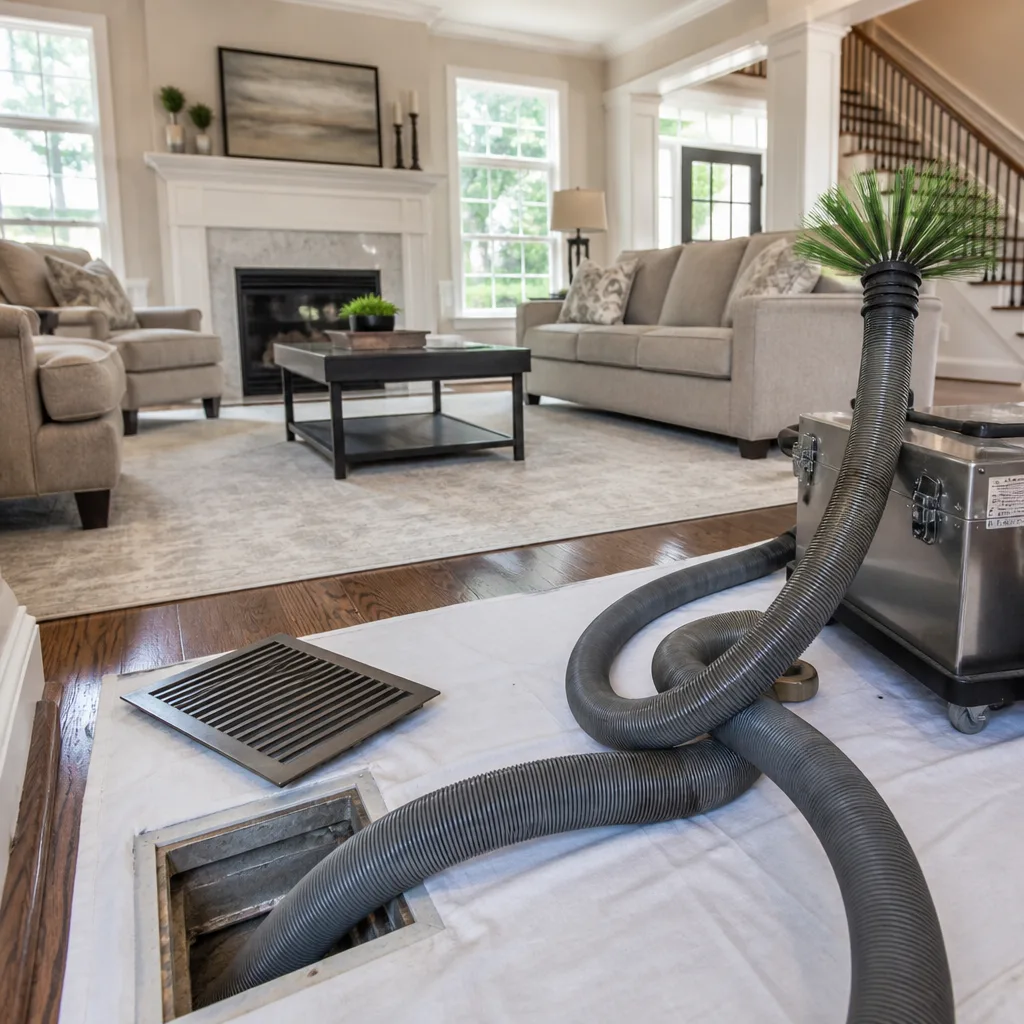 Whole-home duct cleaning
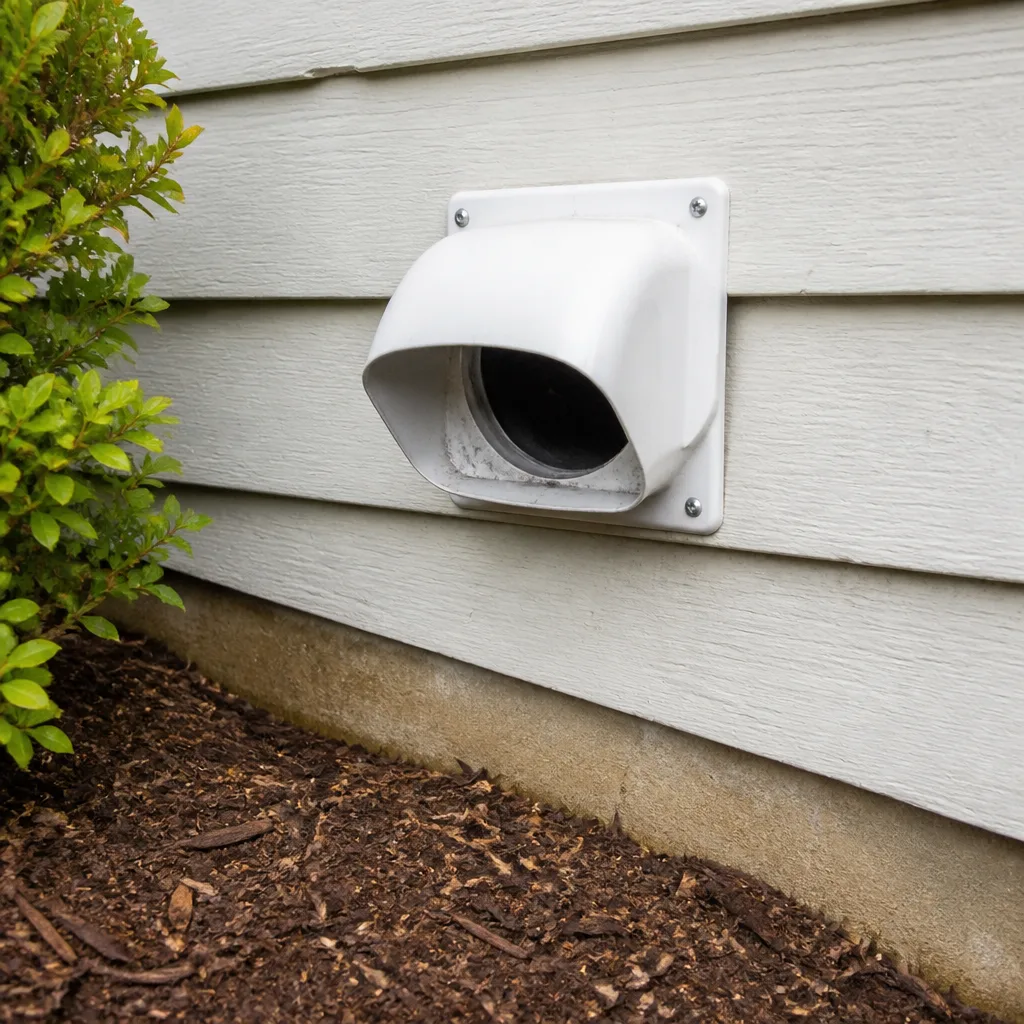 Dryer vent cleaning
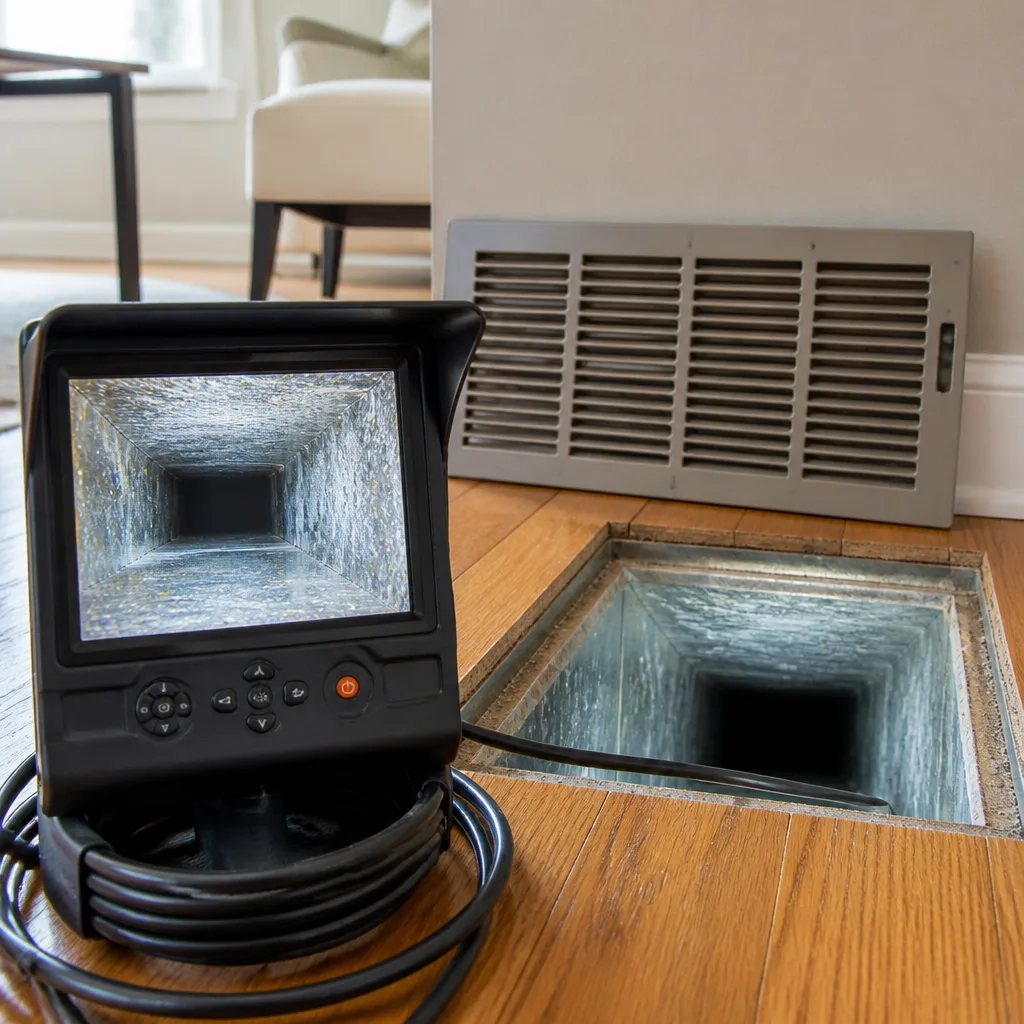 Camera inspection
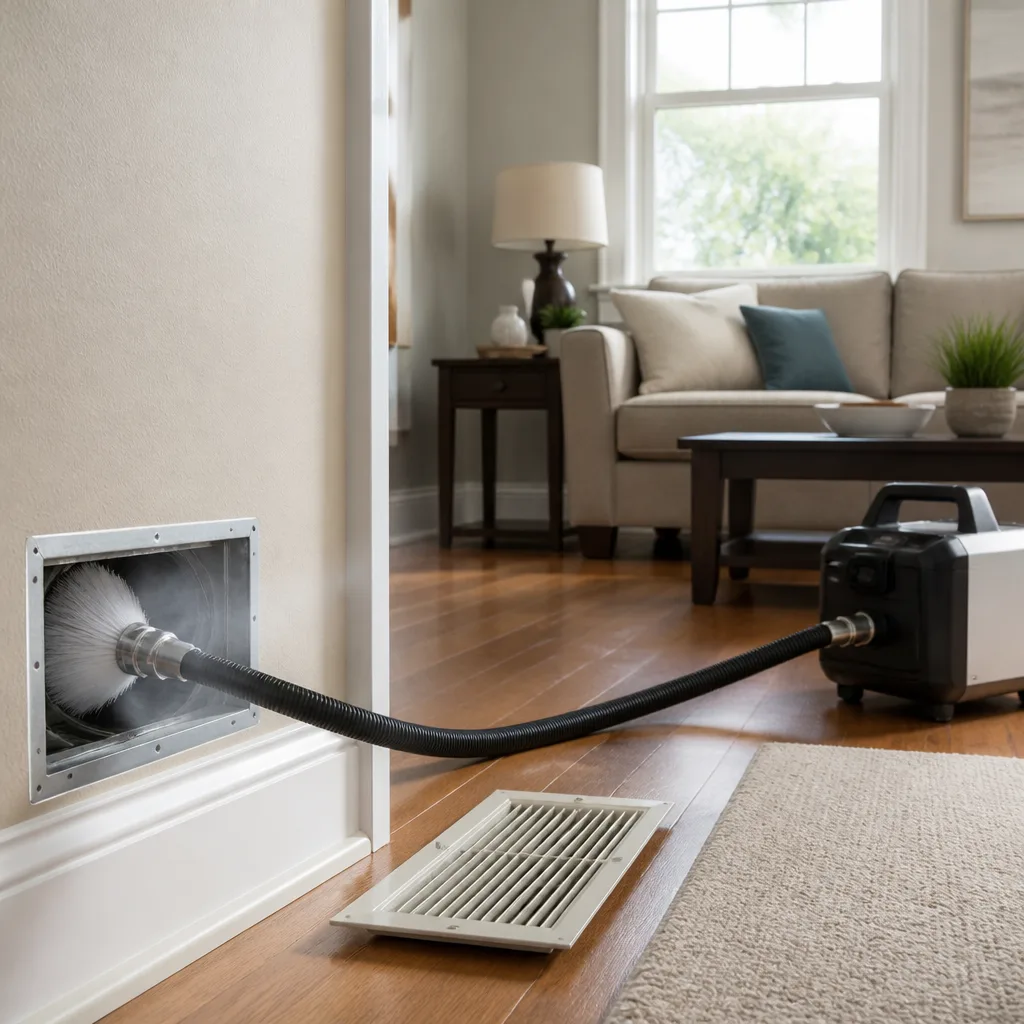 Sanitizing & deodorizing
Whole-system duct and dryer vent check with before-and-after photos - you see exactly what came out of your vents
That "$99 whole-house special" is a bait ad - the real number appears once they are in your hallway, or the "clean" is a shop-vac at the register. We photograph the inside of your ducts before and after instead.
The Complete Guide to Air Duct Cleaning in Spring Valley
Most Spring Valley homeowners assume their ducts are dirty. In our experience, a large share of them are actually damaged – and the dirt is a symptom, not the problem. The Mojave Desert pushes fine caliche dust and wind-blown particulate through a Spring Valley home’s ductwork in one dust-storm season that most U.S. climates take years to produce. Yet many duct cleaners arrive with no camera, no pressure gauge, and no plan beyond vacuuming whatever they can reach. Cleaning a leaking, disconnected, or liner-collapsed system just moves dust around and guarantees it comes back. This guide explains what a real duct evaluation looks like, why repair has to come before cleaning, and how to tell the difference between professional-grade equipment and a shop vac with a business card.
Quick Answer
A proper air duct cleaning in Spring Valley starts with a camera inspection and airflow check, not a vacuum. If the inspection finds gaps, disconnected sections, collapsed liner, or rodent intrusion, those get sealed or repaired first – then the whole system is cleaned under negative pressure with HEPA-filtered capture and verified with post-cleaning readings and before-and-after footage. Skipping the inspection step is the single most common reason duct cleaning “doesn’t work” here.
Styles & brands we work with
- Whole-home duct cleaning
- Dryer vent cleaning
- Camera inspection
- Sanitizing & deodorizing
Table of Contents
- Why Spring Valley Ducts Get Dirty Differently
- Source Removal vs. Surface Cleaning: What the Difference Actually Is
- Why a Camera Inspection Comes Before Any Cleaning
- The Repair-Then-Clean Sequence
- What Professional Equipment Looks Like (and What Doesn’t Count)
- What a Completed Job Looks Like
- Your Ducts Are Part of a Bigger Air System
- What Air Duct Cleaning Costs in Spring Valley
Why Spring Valley Ducts Get Dirty Differently
Spring Valley sits in the Mojave Desert, and that changes what ends up in your ducts. Caliche – the calcium carbonate crust that forms in desert soil – breaks down into a fine, chalky dust that behaves nothing like the lint-and-dander mix most national duct cleaning guides describe. It’s abrasive, it clings to duct walls, and it does not settle the way heavier debris does. Add low humidity, which keeps fine particles airborne longer, and high-wind events that push dust through every crack and return grille, and you get a contamination profile that’s genuinely different from a humid or coastal climate.
What that means in practice:
- Fine particulate dominates. Caliche dust and wind-blown sand are smaller than typical household debris, so they coat duct surfaces and recirculate instead of settling in the return plenum.
- Low humidity doesn’t mean clean air. Arid air keeps light particles suspended, so a lightly soiled-looking duct can still be moving a lot of dust into the living space.
- Wind events load the system fast. After a strong dust storm, return-side debris can build up in a matter of weeks, not months.
- Newer construction means tighter homes. Tightly built Spring Valley homes recirculate indoor air more, which concentrates whatever the ducts are shedding.
This is why a Spring Valley home’s ducts deserve a real inspection rather than a routine “dust them out” service. If the system has breaches and desert dust is being pulled in through them, cleaning without sealing does almost nothing. Our air duct cleaning service is built around that reality: diagnose the system, address what’s broken, then clean under proper capture.
Source Removal vs. Surface Cleaning: What the Difference Actually Is
Source removal means physically agitating and extracting the accumulated debris from every component of the system – supply trunks, branch runs, return plenums, registers, and the air handler cabinet where accessible – and capturing it so it leaves the house. Surface cleaning means vacuuming what’s easy to reach and calling it done. The gap between them is equipment and process, and it’s the single biggest reason duct cleaning results vary so much.
A source-removal job generally involves:
- Negative pressure established first. A high-powered vacuum unit connects to the system and pulls the whole duct network under negative pressure before any agitation begins.
- HEPA filtration at the capture point. Air leaving the system passes through HEPA filtration, so fine desert particulate is trapped rather than exhausted into the room.
- Mechanical agitation of every run. A rotary brush or air whip travels each branch line to break debris loose from the duct walls.
- Manual cleaning of registers and accessible components. Grilles, boots, and the air handler cabinet get individual attention.
- Verification. Airflow readings and camera footage confirm the debris is gone.
The “blow-and-go” version – a shop vac, a hose stuffed into a register, and a coupon price – can’t establish negative pressure across the whole system, can’t agitate duct walls effectively, and often pushes fine dust into the living space rather than capturing it. On desert-caliche contamination, that approach can actually make indoor air temporarily worse. Professional-grade equipment, not improvised tools, is what separates the two.
Why a Camera Inspection Comes Before Any Cleaning
A duct camera is not a gimmick. It’s how you find out whether you’re cleaning a healthy system or a broken one, and those call for different work. We run a camera through the trunk and branch runs before quoting the job, because what’s inside changes the plan. Here’s what technicians are actually looking for:
- Gaps and disconnected joints. Flex duct sections pull apart at fittings. Every gap is a place where dust, attic air, or garage air gets pulled into the system.
- Collapsed or torn liner. The inner liner of insulated flex duct can sag or tear, restricting airflow and trapping debris against the wall.
- Rodent intrusion. Desert wildlife finds its way into duct systems. Droppings, nesting material, and chewed duct are common findings and change the scope entirely.
- Debris piles at transitions. Sharp turns and plenum transitions collect the heaviest buildup; a camera shows exactly where.
- Moisture or staining. Even in a dry climate, a plumbing leak or AC condensate issue can leave evidence inside the duct.
Skipping the inspection is like pressure-washing a wall before you’ve checked for cracks. A cleaner who never looks inside your ducts can’t tell you whether the cleaning will hold. If a duct cleaner in Spring Valley won’t show you footage before quoting, that tells you something.
The Repair-Then-Clean Sequence
Here’s the part most homeowners never hear. If the inspection finds breaches, the right order is repair first, clean second. Cleaning a leaking system and then leaving the leak in place means the system starts re-contaminating itself from the moment the vacuum shuts off. Pulling unfiltered attic air, garage air, or wall-cavity air through a disconnected joint reintroduces dust and debris within weeks. In Spring Valley’s dusty environment, that timeline is even shorter.
The sequence we follow:
- Inspect and document. Camera footage and airflow readings establish the baseline and reveal any damage.
- Repair the breaches. Disconnected sections get reconnected and sealed; damaged duct sections get replaced. This is work our team does as part of the same service – we clean it, and if we find damage, we fix it, rather than handing you off to a second contractor.
- Establish negative pressure and clean. Only once the system is sealed does the source-removal cleaning run under HEPA capture.
- Verify and protect. Post-cleaning readings confirm performance, and an optional Guardsman protective treatment adds a post-cleaning layer beyond what standard cleaning provides.
This repair capability is why Highpoint Duct Cleaning treats cleaning as a system evaluation first. If we find a problem, you hear about it on the same visit – not after you’ve paid for a cleaning that didn’t stick.
What Professional Equipment Looks Like (and What Doesn’t Count)
You don’t need to become an equipment expert, but you do need to recognize the difference between commercial-grade duct cleaning gear and consumer tools dressed up as professional. Here’s what a legitimate setup includes:
- Rotobrush rotary brush system. A purpose-built machine that feeds a rotating brush through duct runs, agitating debris off the walls of both lined and metal ductwork. It’s a benchmark tool among professional duct cleaners.
- Nikro vacuum equipment. High-powered negative-pressure units designed for duct systems, pulling the whole network under vacuum during cleaning.
- Abatement Technologies HEPA filtration. Captures fine particulate at the capture point – critical in a desert climate where caliche dust is too fine for standard filtration. Contaminants are captured, not displaced into your living space.
- A duct camera. For inspection before and verification after.
- A manometer or airflow meter. To measure system performance before and after.
What doesn’t count: a wet/dry shop vac, a portable consumer air mover, or a “HEPA filter” sticker on equipment that wasn’t built for duct work. Negative pressure and HEPA capture are the process language educated customers recognize, and cheap operators can’t claim it because they don’t run it. We lean on Honeywell and Aprilaire air-quality systems for whole-home filtration and humidity understanding, which means our technicians see your ducts as part of the full air-handling ecosystem – not a standalone pipe to vacuum.
What a Completed Job Looks Like
A finished duct cleaning should be verifiable, not just a technician telling you it’s done. Here’s what a completed job at a Spring Valley home should include:
- Before-and-after camera footage of your ducts. Same runs, same angles, so you can see the difference yourself.
- Post-cleaning airflow readings. Measured at the registers and compared to the pre-cleaning baseline.
- A written condition report. Documenting what was found, what was cleaned, what was repaired, and any remaining recommendations.
- Photos of any repairs performed. Sealed joints and replaced sections documented for your records.
If a company can’t produce that package, ask why. In our experience, a thorough job is easy to prove – and a surface job is hard to prove because there’s nothing to show. Requesting before-and-after footage of your own ducts is the single best quality check you can ask for.
Your Ducts Are Part of a Bigger Air System
Ducts don’t exist in isolation. They’re the distribution network for your entire air-handling system: the air handler, the filter, the returns, and any humidity or filtration equipment attached to it. A duct system that’s been cleaned but runs with a clogged filter, undersized return, or disconnected humidity control will re-contaminate and underperform. This is why our technicians are familiar with Honeywell and Aprilaire systems – so they can look at the whole picture and tell you whether the ducts are the problem or something upstream is.
In a Spring Valley home, the big-picture questions usually involve:
- Filtration. A high-MERV filter catches more, but only if the return and blower can handle the restriction. A Honeywell or Aprilaire setup often performs better than a stack of thin filters.
- Return-side capacity. A restricted return starves every supply run, which mimics “dirty duct” symptoms even when the ducts are clean.
- Humidity. Dry desert air is easy on duct internals but hard on occupants; humidity control equipment is part of the same system.
Getting the whole system evaluated – not just vacuumed – is the difference between a one-season fix and a durable solution. If your goal is a clean system that stays clean, start with the full evaluation.
What Air Duct Cleaning Costs in Spring Valley
Duct cleaning is not priced per vent, and any quote that is should raise a flag. Legitimate work is priced per system, based on the size and layout of the duct network, accessibility, the condition found during inspection, and whether repair work is needed. A single-family home with a straightforward system sits in one range; a larger home with multiple zones, difficult access, or damaged sections sits in a higher one, because the work is genuinely different.
What drives the price up or down:
- Number of systems and zones. Two systems means two evaluations and two cleanings.
- Accessibility. Ducts run through attics, crawlspaces, and tight chases. Difficult access takes longer.
- Condition discovered. Quiet systems clean faster. Disconnected or collapsed sections add repair scope.
- Contamination level. Heavy caliche buildup after a dust-storm season or years without cleaning takes more passes than a lightly soiled system.
We don’t quote teaser coupon prices and then expand the invoice once we’re on site. The job is scoped from the inspection, and the written estimate sets the final price before work begins. If your Spring Valley home needs an honest number, call us for a free estimate – no surprise line items later.
Common Mistakes to Avoid
- Booking on price alone. The cheapest quote is usually the surface-cleaning quote. It costs less because the equipment and process cost less – and the results don’t hold.
- Letting a cleaner skip the inspection. If no one looks inside your ducts with a camera before quoting, they can’t see the disconnected sections, liner issues, or rodent intrusion that determine whether cleaning will actually work.
- Cleaning before repairing. In a dusty Spring Valley climate, cleaning a leaking system and leaving the leak means re-contamination within weeks. Seal first, clean second.
- Accepting “we cleaned it” without proof. Ask for before-and-after footage of your own ducts, not stock images. A real job leaves a paper trail.
- Choosing a general handyman with a shop vac. Source removal needs negative pressure, HEPA capture, and rotary agitation. Consumer tools can’t establish any of it across a whole system.
- Ignoring the air-handler side of the system. Filter condition, return capacity, and humidity equipment all affect how clean your ducts stay. A duct cleaner who doesn’t consider them is only doing half the job.
- Waiting until you notice symptoms. Dust in the air, uneven airflow, and musty smells are late signals. In Spring Valley’s climate, a periodic inspection catches problems before they show up in the living space.
See the difference
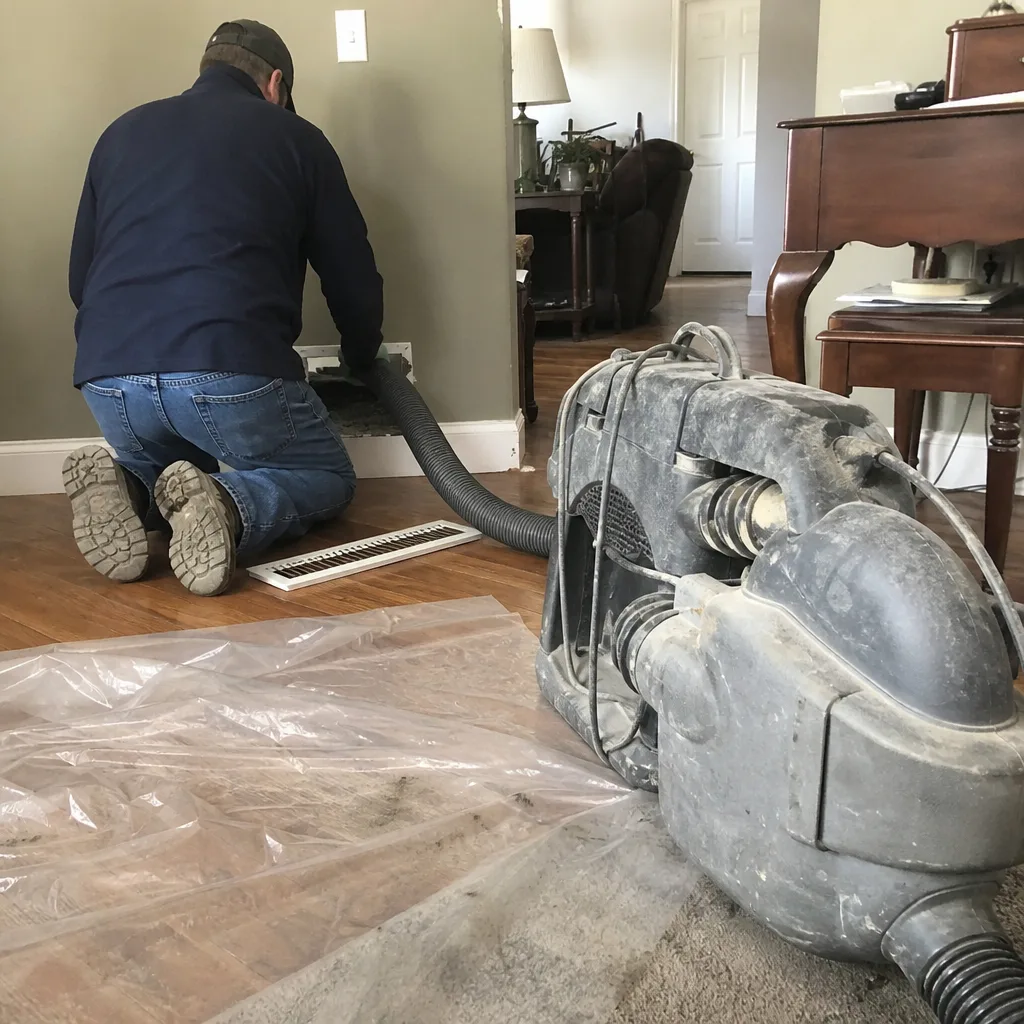 Before
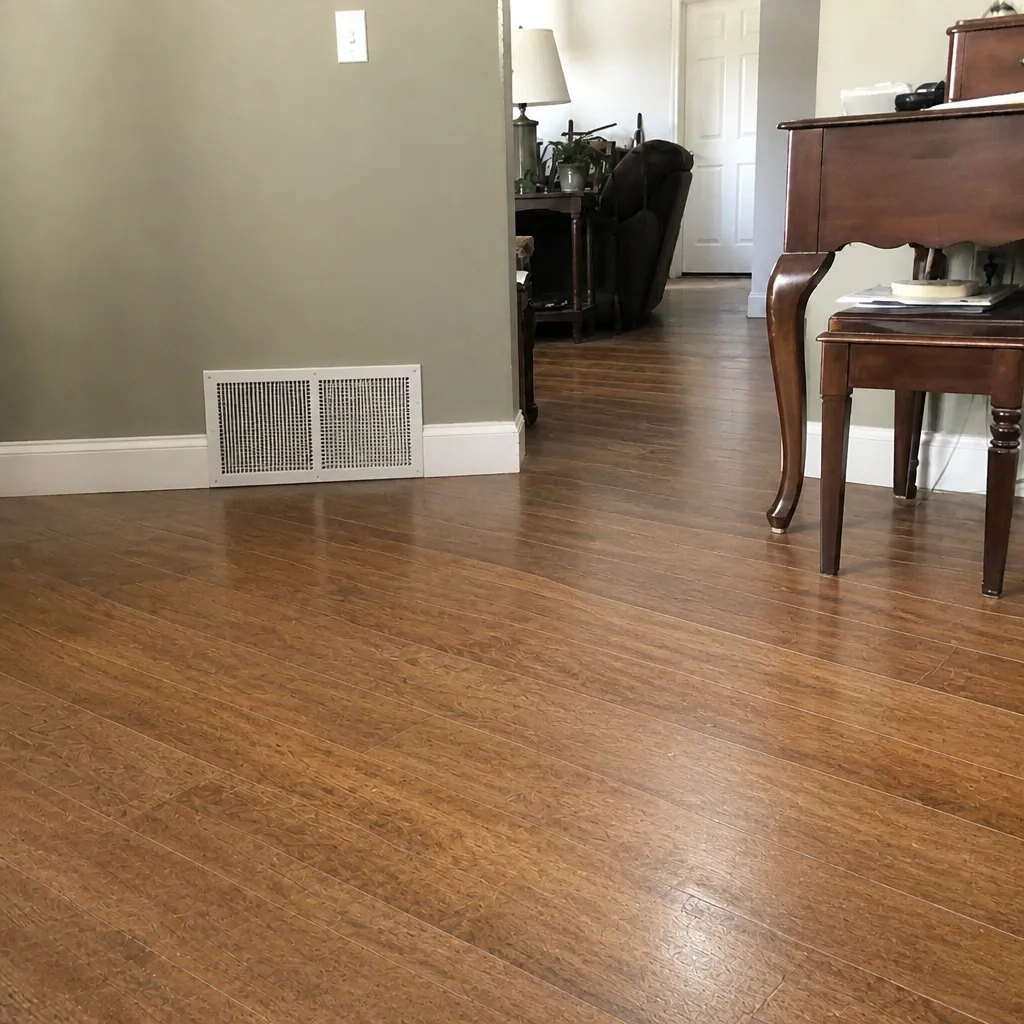 After
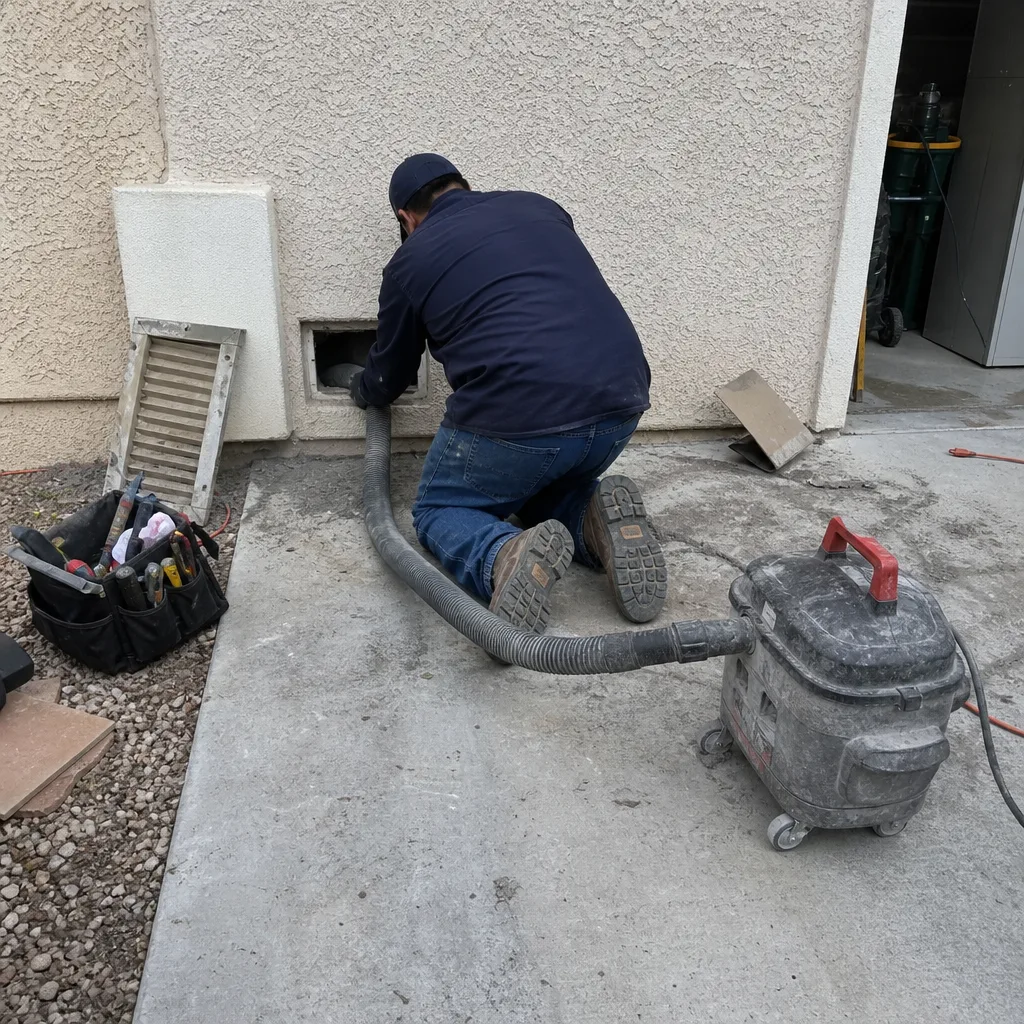 Before
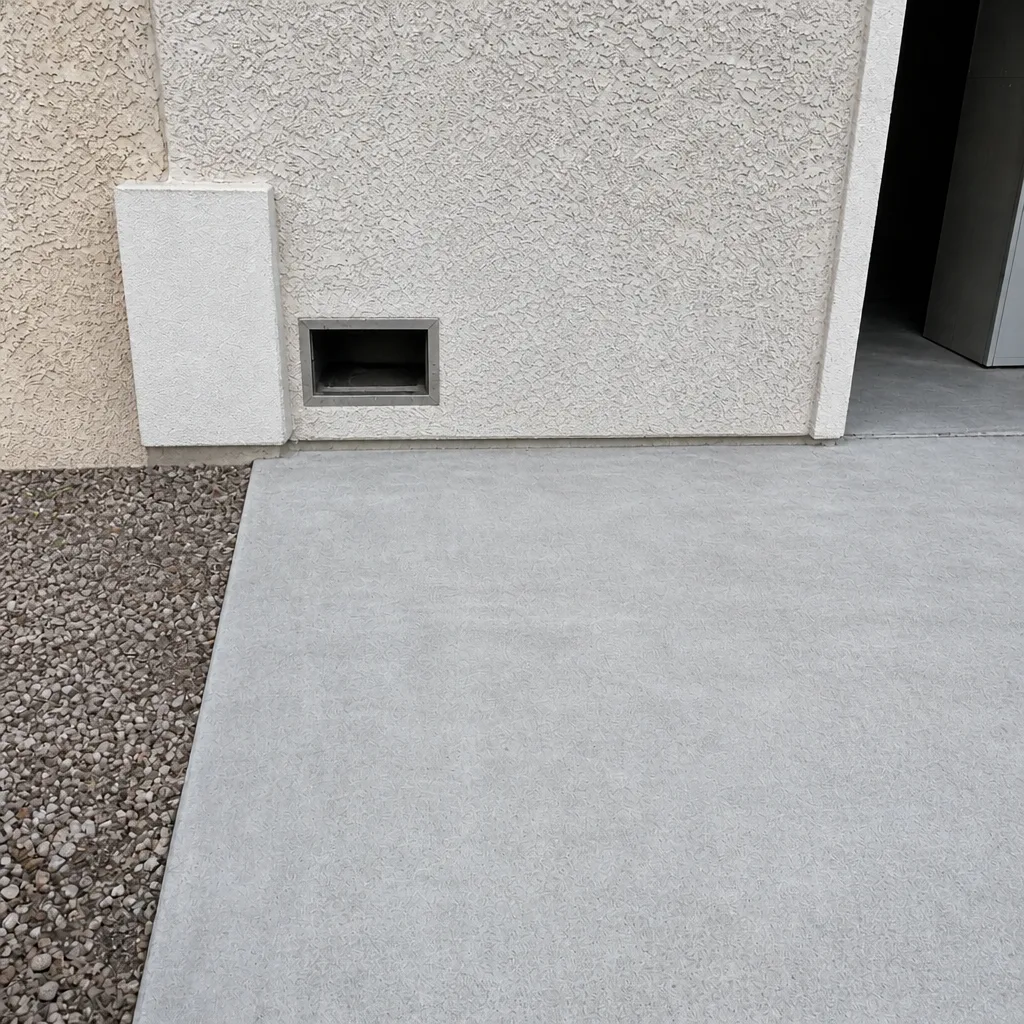 After
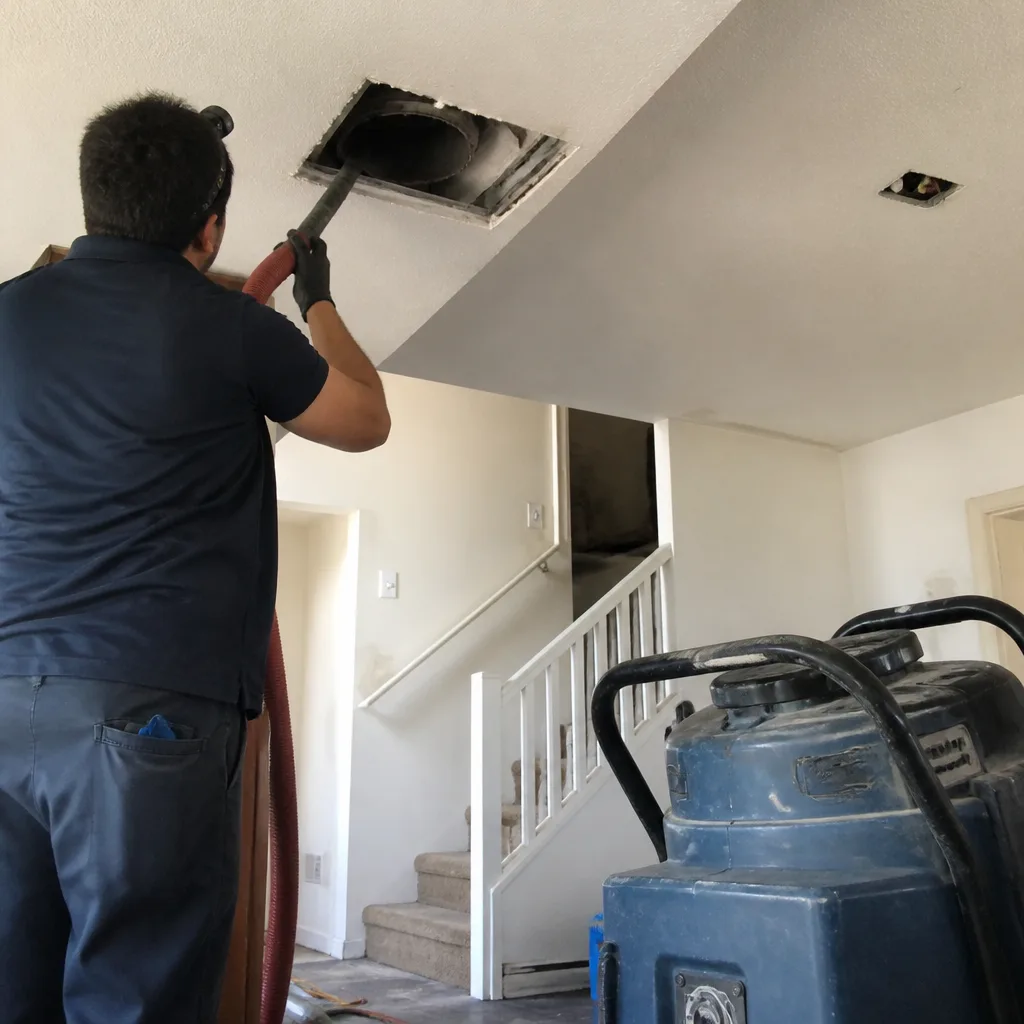 Before
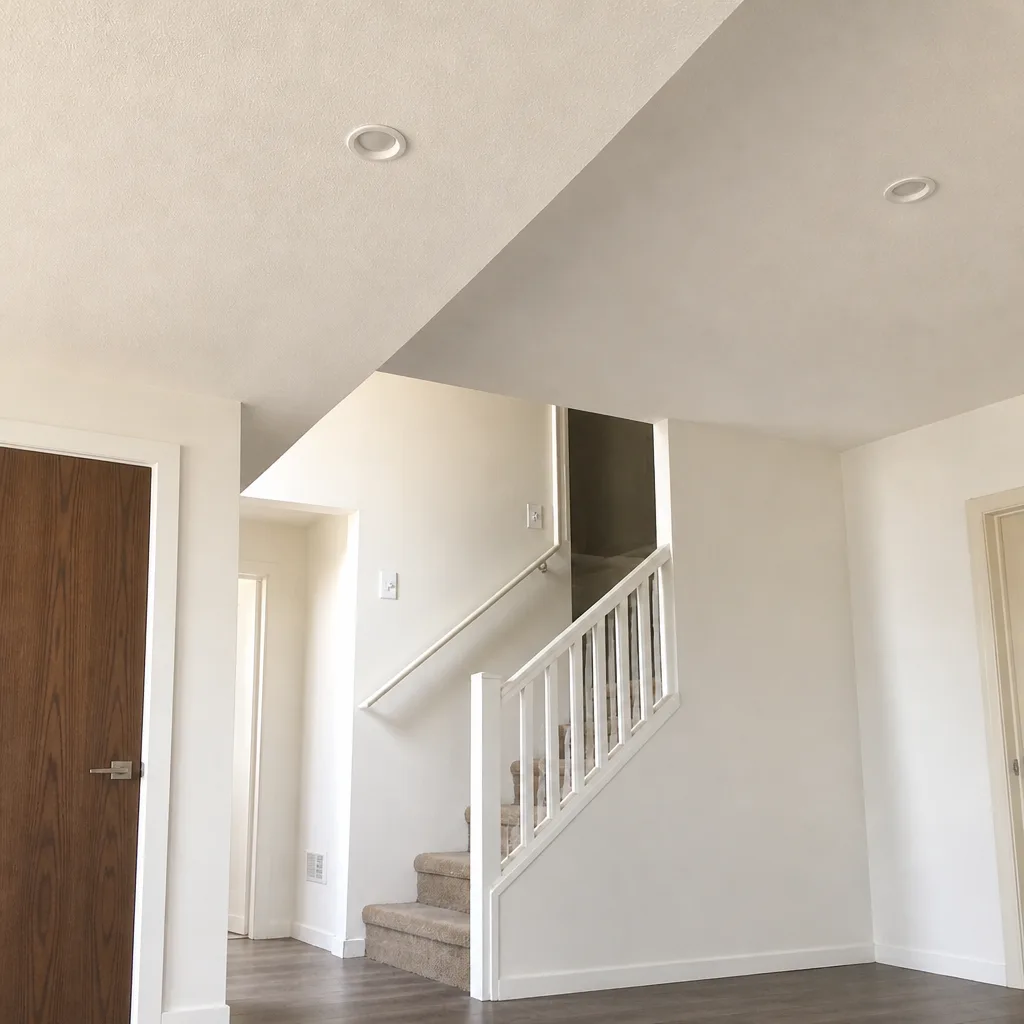 After
When to Call a Professional
Some signs mean it’s time for a professional evaluation, not a homeowner inspection. Call if you’ve noticed a persistent dusty smell coming from the registers, visible dust puffs when the system kicks on, uneven airflow between rooms, or a sudden increase in dust on surfaces after a wind event. Call if your system was installed or modified recently, if the home has had pest activity, or if it’s been years since the ducts were opened up. If you’re not sure, a camera inspection answers the question in one visit. Highpoint Duct Cleaning offers free estimates in Spring Valley – call (866) 724-9559 to get one scheduled. If your dryer vent hasn’t been checked either, our dryer vent cleaning service approaches it with the same inspection-first standard.
Frequently Asked Questions
For most homes, every few years is reasonable – but Spring Valley’s dust environment can shorten that. If you live near an open desert edge, in a home with significant wind exposure, or you’ve had recent pest activity, inspection every couple of years is a safer rule than a fixed cleaning schedule. The honest answer is: inspect first, and clean when the inspection says so. Call (866) 724-9559 for a free estimate on an inspection.
Because they’re quoting less work. A low quote is usually a surface-cleaning price: no camera inspection, no HEPA capture, no rotary agitation, and often a shop vac instead of commercial equipment. In a dusty climate, that version of cleaning doesn’t hold, and the “savings” disappears the moment the ducts re-contaminate. Call (866) 724-9559 to get a whole-system estimate you can compare apples to apples.
Ask for before-and-after camera footage of your own ducts, post-cleaning airflow readings, and a written condition report. A thorough job produces all three without being asked. If a company can’t show you footage of your system, the work is hard to verify – and that’s usually the point. Call (866) 724-9559 for an estimate that includes these verification steps.
Yes, when the damage is within our scope. Our air duct repair service covers disconnected sections, failed joints, and damaged duct that we can access during the service window. Repair before cleaning is the correct order, and doing both in one visit is why we built the service around it. If the damage turns out to be outside our scope, we’ll tell you honestly rather than clean around it. Call (866) 724-9559 to schedule an evaluation.
It is – with two conditions. First, actually clean the whole system under negative pressure rather than vacuuming what’s reachable. Second, repair any breaches found, because desert dust will find its way through any gap within weeks. Cleaning without repair in this climate is a short-term fix at best. If you’re in Spring Valley and want the full evaluation, call us at (866) 724-9559 for a free estimate.
Professional-grade tools built for duct work: a rotary brush system for agitating duct walls, a high-powered negative-pressure vacuum for the whole network, and HEPA filtration at the capture point. Our equipment includes Rotobrush, Nikro, and Abatement Technologies units, plus a duct camera for inspection and airflow meters for verification. If a company can’t name its equipment and explain negative pressure and HEPA capture, that tells you a lot. Call (866) 724-9559 to talk through your system.
The Bottom Line
If this guide has one point, it’s this: in Spring Valley, duct cleaning without inspection and repair is a money-losing shortcut. Caliche dust and desert wind load a system fast, and every disconnected joint or collapsed liner means the cleaning won’t hold. Get a camera inspection first. Repair breaches before cleaning. Verify the job with before-and-after footage, airflow readings, and a written report. Professional-grade equipment – rotary brushes, negative pressure, HEPA capture – is not a luxury; it’s the minimum for a result that lasts. Call (866) 724-9559 for a free estimate, and we’ll tell you exactly what your system needs.
Highpoint Duct Cleaning
(866) 724-9559
We answer 24/7. Fast dispatch from 7am to 7pm, Sunday through Friday. Closed Saturday.
Written by the team at Highpoint Duct Cleaning.