
Last updated November 14, 2026
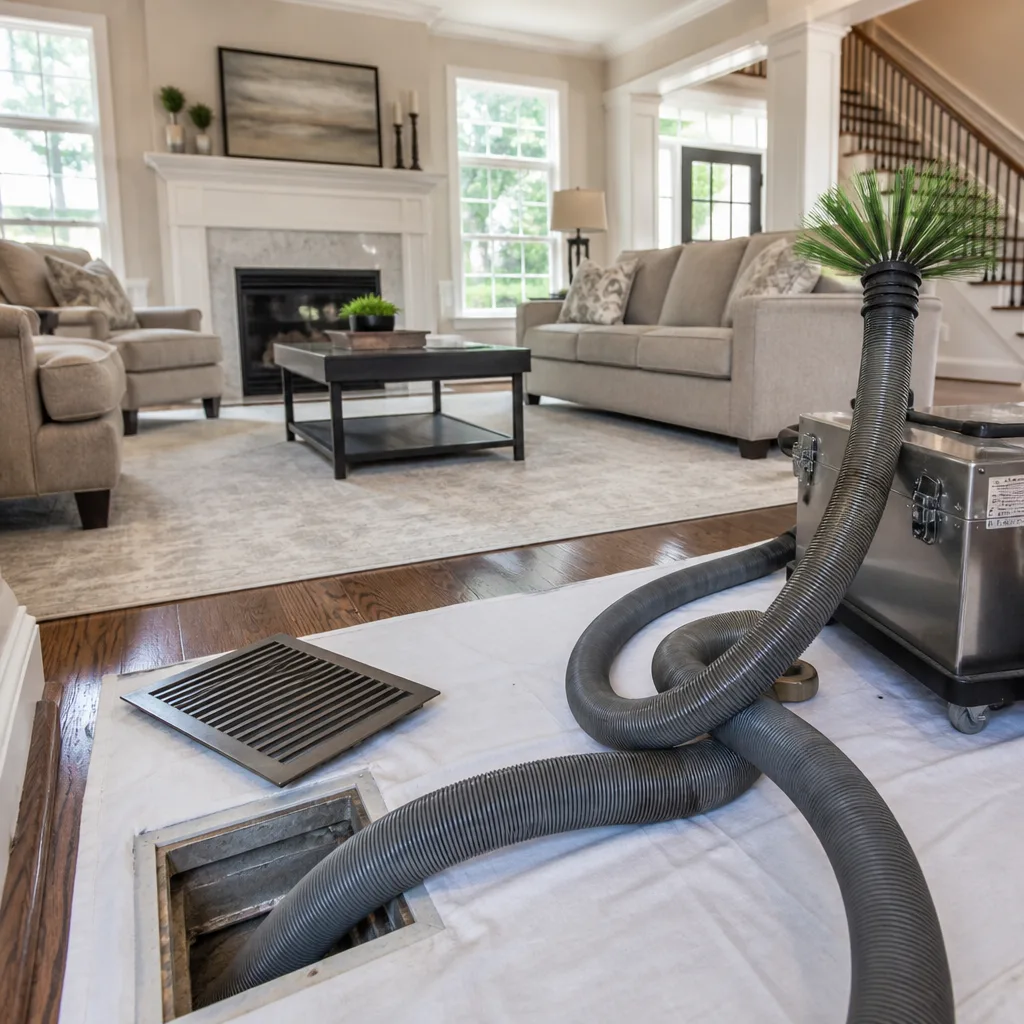 Whole-home duct cleaning
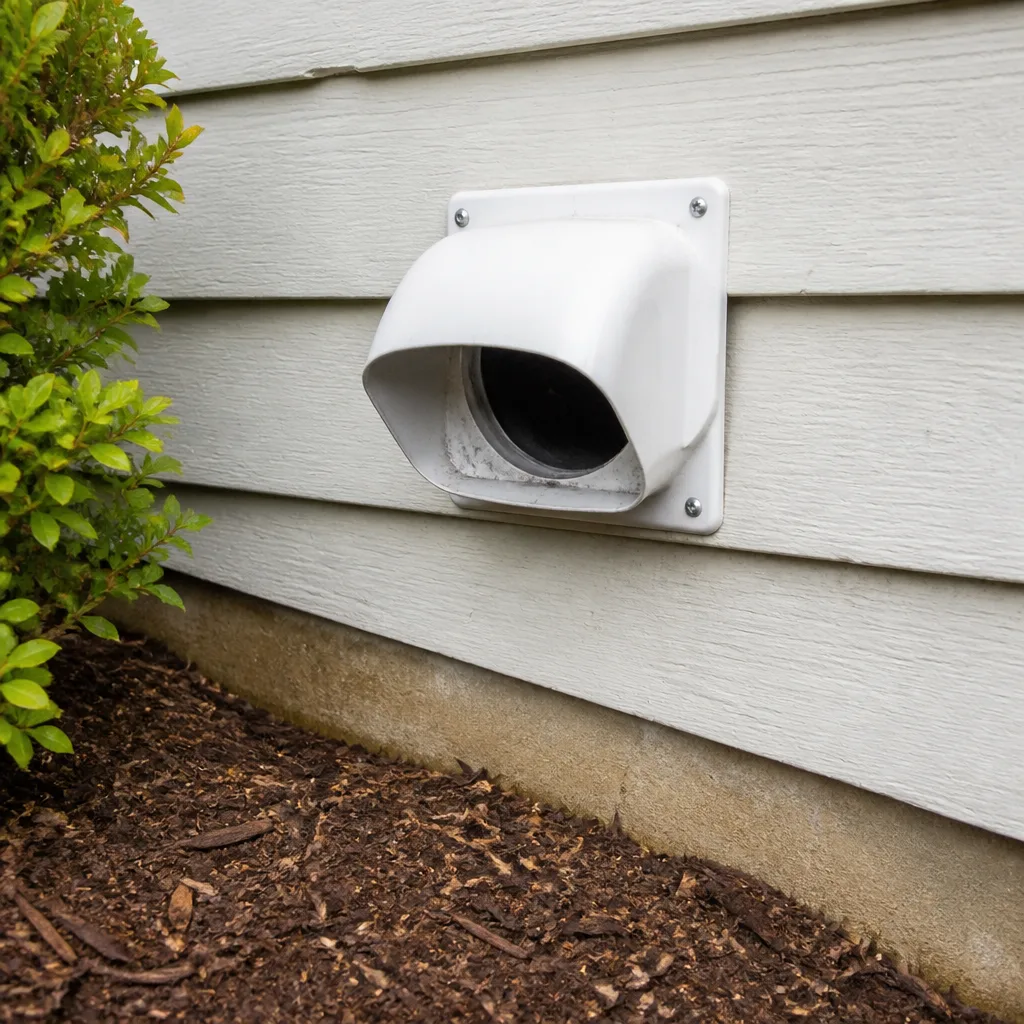 Dryer vent cleaning
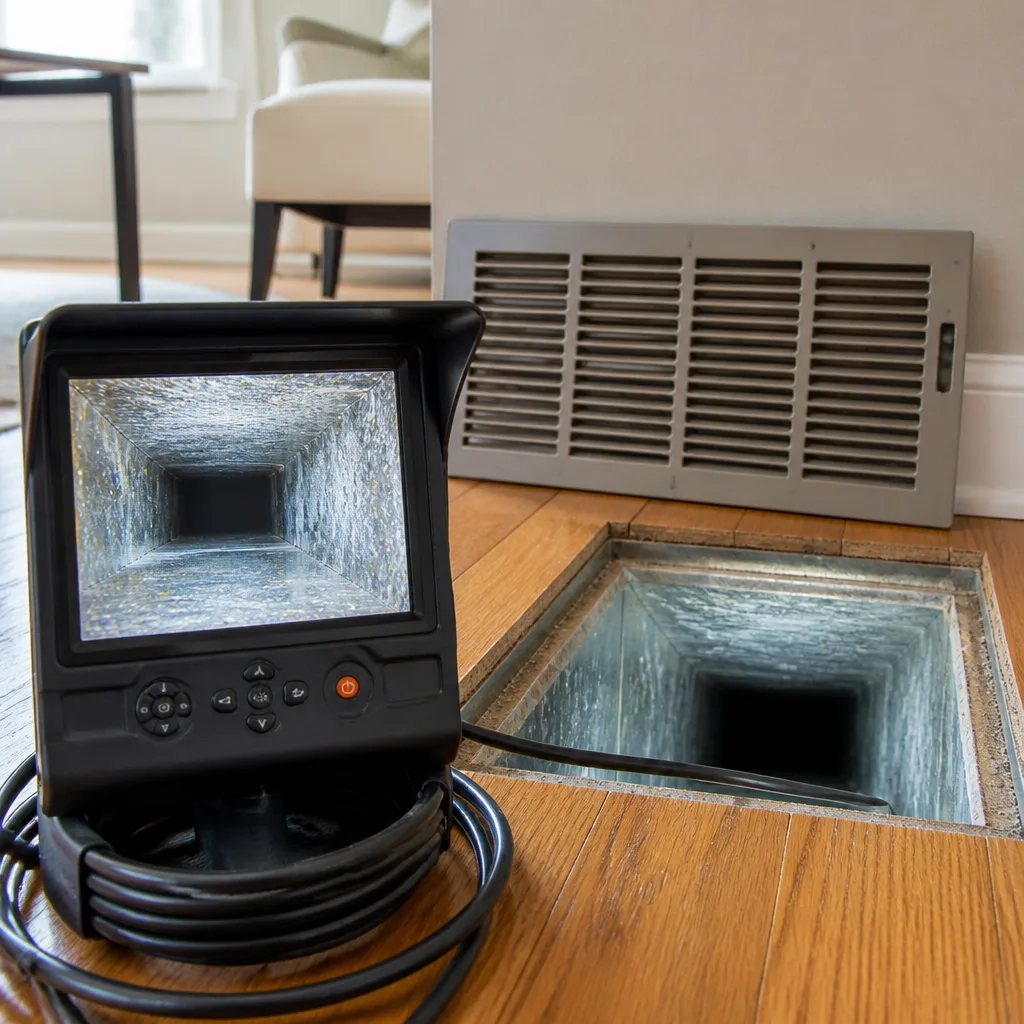 Camera inspection
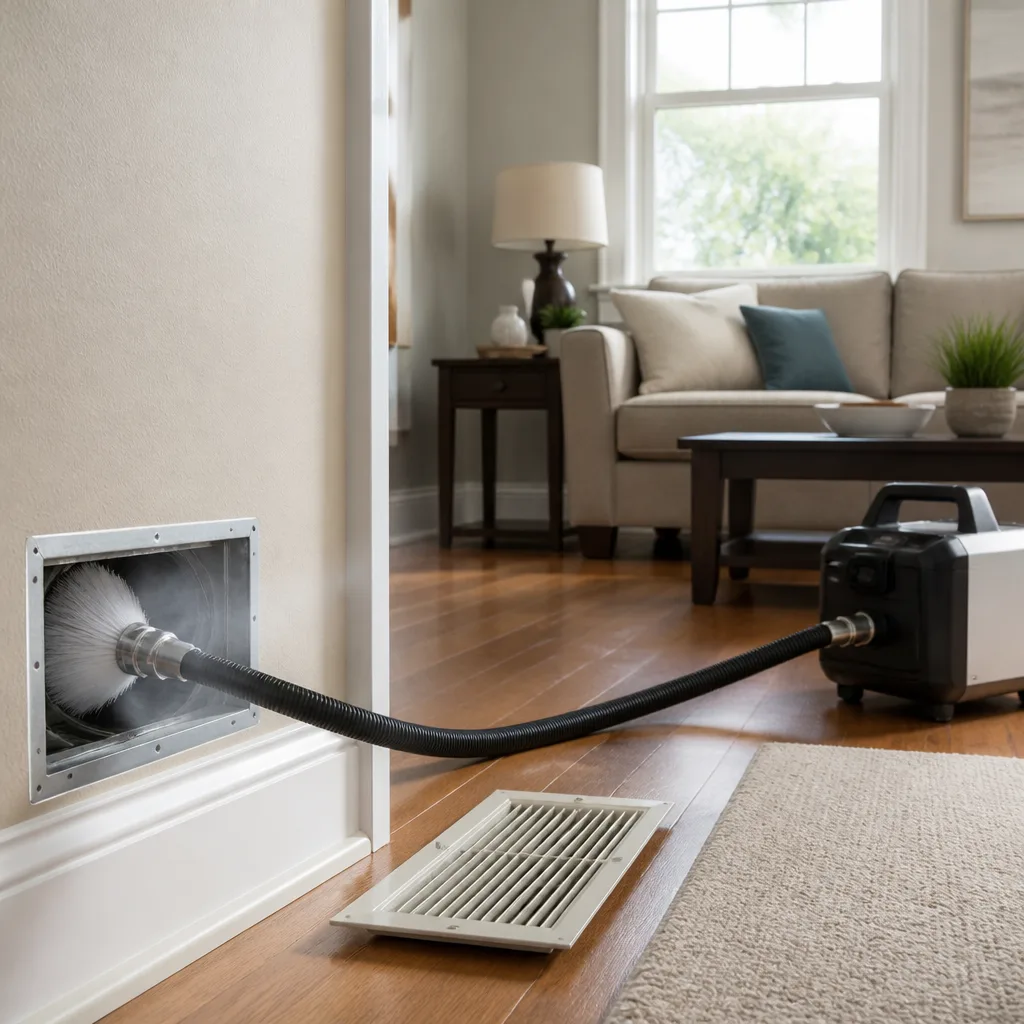 Sanitizing & deodorizing
Whole-system duct and dryer vent check with before-and-after photos - you see exactly what came out of your vents
That "$99 whole-house special" is a bait ad - the real number appears once they are in your hallway, or the "clean" is a shop-vac at the register. We photograph the inside of your ducts before and after instead.
Air Duct Cleaning Cost Breakdown: The Spring Valley Homeowner’s Reference for 2026
Most homeowners in Spring Valley start shopping for duct cleaning the same way: they see a $99 coupon, they book it, and then they stand in the living room wondering what the technician actually did. That’s not because the coupon was a lie. It’s because the coupon buys a different job than the one the house needs. A real duct cleaning requires a rotary brush system, a high-powered negative-pressure vacuum, HEPA filtration, and hours of labor. None of that fits in a $99 price. The gap between the coupon and a professional invoice is a gap in scope and equipment, not markup. This guide breaks down what each line item actually pays for so you can read a Spring Valley quote and know what you’re buying.
Quick Answer
Air duct cleaning in Spring Valley typically runs $300 to $700 for a standard single-story home, with larger two-story houses landing closer to $800 to $1,200 once you account for extra registers and longer duct runs. Add-ons like dryer vent cleaning, sanitizing, or duct repair are quoted separately and should appear as their own line items on the estimate. The only way to know what your house needs is a written estimate that accounts for system size, duct material, and any damage found during inspection.
Styles & brands we work with
- Whole-home duct cleaning
- Dryer vent cleaning
- Camera inspection
- Sanitizing & deodorizing
Table of Contents
- What Drives the Price: Square Footage, Registers, and Duct Material
- What’s Included in a Base Cleaning vs. Add-Ons
- Equipment: Why Truck-Mount vs. Portable Vacuum Changes Both Price and Outcome
- Price Red Flags in Both Directions
- The Cost of Deferral: What a $150 Duct Seal Saves You Later
- How Spring Valley’s Climate Affects Duct Buildup and Cleaning Frequency
- How to Read a Spring Valley Duct Cleaning Quote
- Common Mistakes to Avoid
What Drives the Price: Square Footage, Registers, and Duct Material
The number at the bottom of a duct cleaning quote is set by four things: the size of the home, the number of supply and return registers, the material the ducts are made of, and the total linear footage of ductwork. Every legitimate estimate keys off these. If a quote doesn’t vary based on the home it’s for, it wasn’t calculated for your home.
Square footage is the broadest driver. A 1,400-square-foot home in Spring Valley with a straightforward single-zone system has a shorter run of ductwork than a 2,800-square-foot two-story, and the labor to clean it reflects that. A two-story home typically has more registers, a longer trunk line, and often a second return, all of which add up.
Register count matters more than most homeowners expect. Each supply register needs to be pulled, cleaned, and sealed back into place, and each one connects to a branch run that has to be agitated and extracted. A home with 14 registers is not the same job as one with 6, even if both are the same square footage. That’s why a careful estimate asks how many registers the house has before quoting.
Duct material changes the cleaning method, not just the price. Sheet metal ducts tolerate the rotary brush that a Rotobrush system uses without any concern. Flexible ductwork requires a different brush tension and a gentler touch because the inner liner can tear if it’s agitated too aggressively. Homes built in Spring Valley’s newer subdivisions often use flex duct in long runs, while older tract homes lean toward metal trunk-and-branch setups. A technician who doesn’t inspect the duct material before cleaning risks damaging it.
Linear footage is the smallest driver but the one most likely to be undercounted in a cheap quote. A house with a sprawling single-story footprint has a longer run from the air handler to the furthest register than a compact two-story of the same square footage. If you’re in a neighborhood like Rhodes Ranch or the streets near Spring Valley High School, ask the estimator to walk the run with you. A quote given over the phone without seeing the layout is a guess, not an estimate.
What’s Included in a Base Cleaning vs. Add-Ons
A base duct cleaning covers the supply and return trunks, the branch runs, the register boots, and the main air handler plenum where the ducts connect. That’s it. Everything else is a separate line item, and a quote that doesn’t separate them is either inflating the base price to cover extras you didn’t ask for or quietly leaving something out.
Here’s how a well-built Spring Valley estimate breaks down:
- Base cleaning ($300 to $700 typical): Supply and return ducts, boots, and the plenum. Includes HEPA filtration on-site during the work.
- Dryer vent cleaning ($100 to $200): A separate job from the HVAC ductwork. Please see below under the add-on table.
- Coil cleaning ($100 to $250): The evaporator coil sees the same dust as the ducts but sits inside the air handler, which is a distinct cleaning effort.
- Sanitizing ($80 to $200): A spray treatment applied after cleaning. Not necessary on every home, but reasonable for a home with persistent odor or a history of moisture issues.
- Duct sealing ($150 to $400 per run): Sealing leaks at joints, seams, and boot connections.
- Mastic repair ($200 to $500): Rebuilding the connection between the duct boot and the register, which often fails in older homes.
Dryer vent cleaning is its own line because it’s a different system serving a different purpose, and while it shares a discipline with duct cleaning, the equipment path is separate. If your dryer is taking longer to dry clothes than it used to, it’s worth a look. For that piece of the job, dryer vent cleaning covers what’s involved in Spring Valley homes.
One honest caveat: some estimates break out “dust and debris” from “duct sanitation,” and that’s not wrong, but it should be explained before the technician arrives, not after. Ask what the base price covers and what costs extra. A reputable contractor will tell you plainly.
Equipment: Why Truck-Mount vs. Portable Vacuum Changes Both Price and Outcome
The equipment behind a duct cleaning job is the largest single predictor of what the work will actually accomplish, and it’s why two quotes for the same home can differ by hundreds of dollars. A truck-mounted vacuum system can pull substantially higher negative pressure than any portable unit, which is what allows it to agitate debris deep in a duct run and extract it. Portable vacuums depend on the operator’s patience and a lot of hose length, and they often leave the heavier material behind.
Here’s how to tell what you’re getting before the truck pulls up:
- Ask the company directly. “Are you bringing a truck-mount or a portable unit?” A one-word answer tells you what to expect. If the answer is fuzzy, the equipment is portable.
- Ask about HEPA filtration. A serious contractor will bring HEPA capture on-site to keep dust from redistributing into the living space. If the answer is “we use a shop vac,” that’s not duct cleaning.
- Ask about the brush system. A rotary brush system like a professional Rotobrush agitates the duct surface; a portable vacuum alone won’t. The equipment list matters more than the brand name.
- Ask what happens to the material they pull out. If the answer is “we bag it and take it with us,” you’re getting a real job.
At Highpoint Duct Cleaning we work with a Nikro negative-pressure system and Abatement Technologies HEPA filtration on-site, plus a Rotobrush rotary brush to do the agitation. We’re also familiar with Honeywell and Aprilaire air-handling and air-quality systems, which matters when the ducts connect to a whole-home setup that needs to function as a system, not just a pipe. That’s not a sales pitch; it’s a difference in what the equipment stack is built to do. If you want to see how the equipment and scope fit into a full cleaning, air duct cleaning in Spring Valley is where we set out the process step by step.
Portable units aren’t useless, and a job with a tight crawlspace or a second-floor run may need a portable as a secondary tool. But if a company’s entire stack is portable, they’re limited in what they can extract, and the price usually reflects that limit. A cheap quote isn’t always a bad quote; sometimes it’s an honestly limited one. The problem is nobody tells the homeowner that’s what they’re buying.
Price Red Flags in Both Directions
Below $200 for a standard home, and above $1,500 without a repair scope documented in writing: both ends of that range deserve scrutiny. The number itself isn’t wrong; the question is whether the scope matches the number.
The bottom of the range. A quote under $200 for a standard Spring Valley home with 10 or more registers is almost always a different job than the one you asked for. Typically it covers: a portable vacuum, surface-level register cleaning, no HEPA filtration, no rotary brush agitation, and a visit short enough to make the math work for the operator. That’s not to say it does nothing. It’s to say it does not clean the ductwork itself, and if the underlying problem is debris in the run, it won’t solve it. Any quote under $200 should come with a frank explanation of what’s not included.
The top of the range. A quote over $1,500 for a routine cleaning on a standard single-story home is a red flag too unless the estimate documents damage found. Legitimate reasons for a higher figure include: flexible duct that needs cleaning in sections, disconnected runs that require repair, extensive mastic failure, or a system that hasn’t been cleaned since the home was built. A contractor who quotes that figure should be able to show you the problem on a camera, and it should be in writing on the estimate. A “$1,500 because we found some issues” phone call during the visit is not that. Our standard is: one flat price per system, agreed before work starts, with before-and-after photos of your own ducts.
One more red flag: per-vent pricing. When a company quotes per register instead of per system, the estimate grows with every vent the technician points to during the visit, and the price you agreed to at booking rarely matches the invoice. Whole-system pricing, set in writing, is the version that doesn’t surprise you.
The Cost of Deferral: What a $150 Duct Seal Saves You Later
When a duct cleaning turns up a leaking joint, a disconnected branch, or a failed boot connection, the cost of fixing it now is small compared to leaving it. A seal repair on a single leaky run typically runs $150 to $400. Leaving it alone for a year and a half costs more than the repair, because a leaking duct does three things at once: it loses conditioned air into the attic or crawlspace, it pulls unconditioned air into the return, and it pulls the system’s efficiency down without the homeowner noticing a specific failure.
Spring Valley homes sit in a dry desert climate where attic temperatures can swing hard between seasons. A disconnected duct in an attic doesn’t just leak air; it pulls in attic dust and, during the hottest days of summer, attic heat. The system runs longer, the air quality in the home gets worse, and the problem stays invisible until someone goes into the ducts with a camera.
Skip the repair long enough, and the inner liner of a flex duct can begin to degrade at the point of failure, at which point the answer is a section replacement rather than a repair. That’s a much larger job than the seal. Our point isn’t to sell repair work; it’s that repair work discovered during a cleaning is the cheapest it will ever be. We built Spring Valley duct repair into our service list for that reason. If the cleaning turns up damage, we can fix it in the same service window instead of asking you to call another contractor and schedule a second visit.
The reasons to act on a repair finding rather than defer it:
- Efficiency: A leaking duct runs the system longer, and the monthly cost of that shows up quietly on the energy bill.
- Air quality: A disconnect pulls attic or crawlspace air into the supply, carrying dust and whatever else sits in that space.
- Liner integrity: A flex duct liner that fails at a leak point eventually can’t be repaired in place, only replaced.
- Cost compounding: A repair done during a cleaning is a small add-on; a repair done as a separate service visit after damage spreads is a larger job.
See the difference
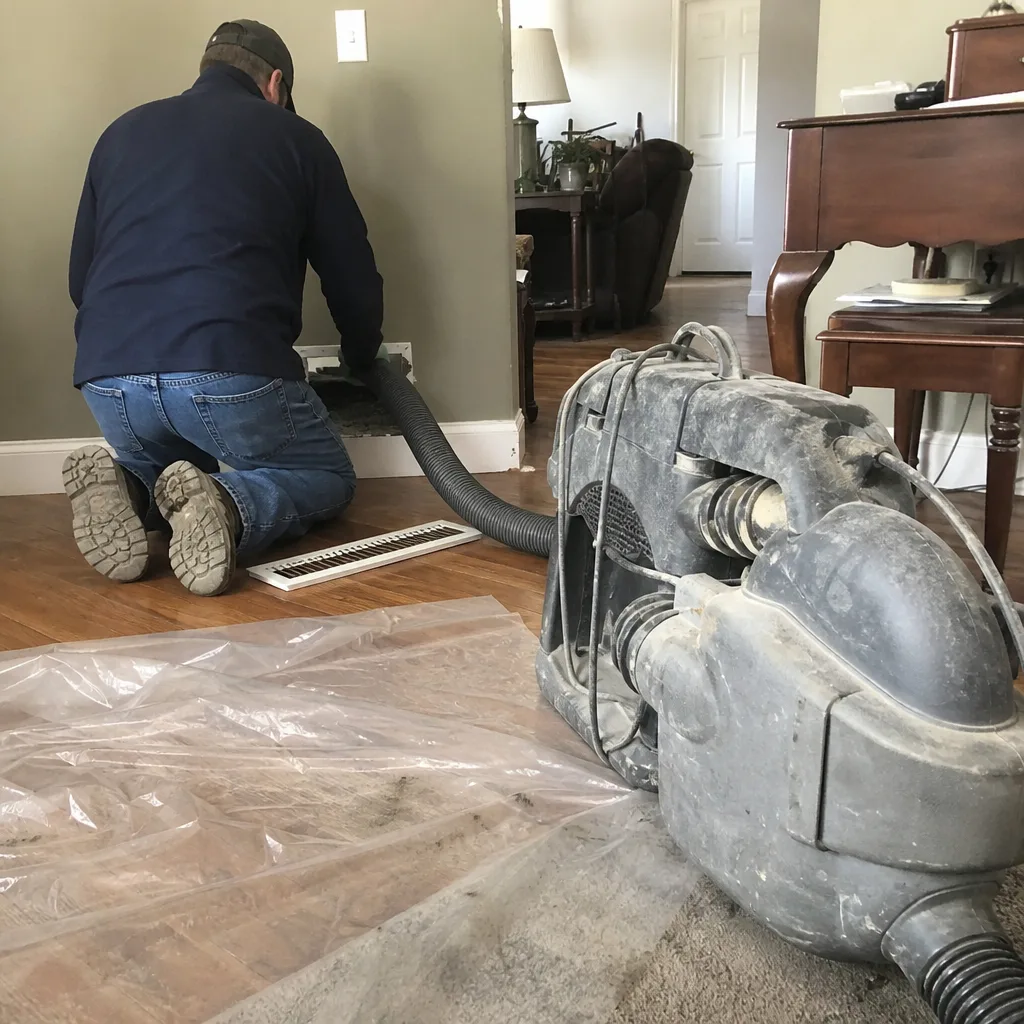 Before
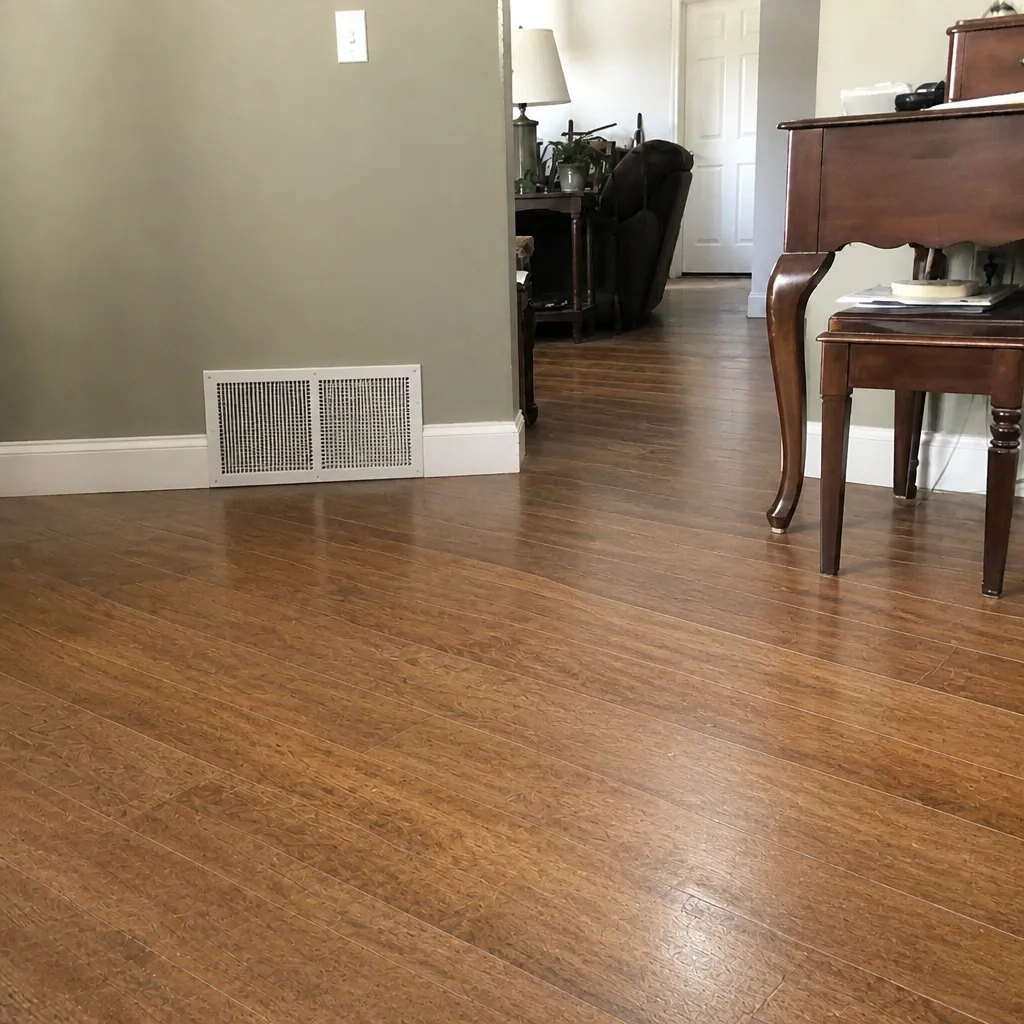 After
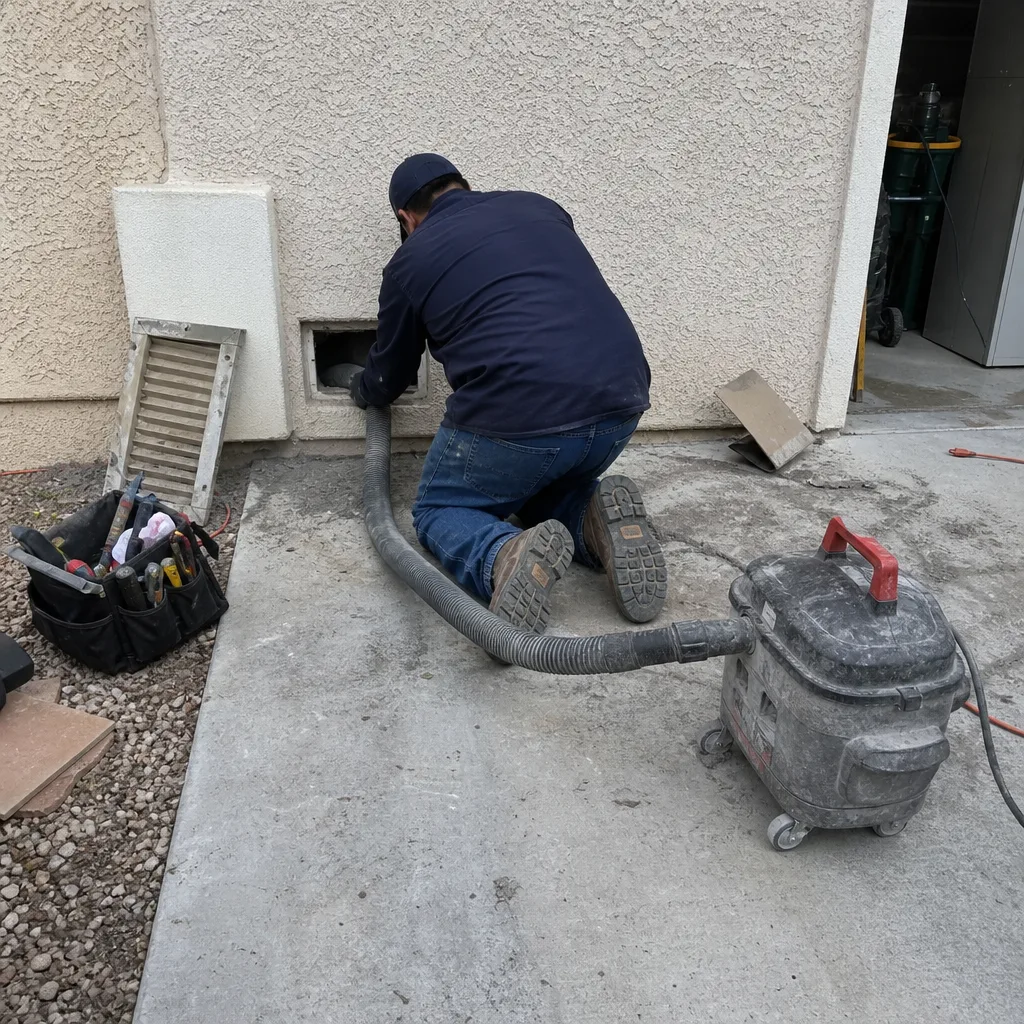 Before
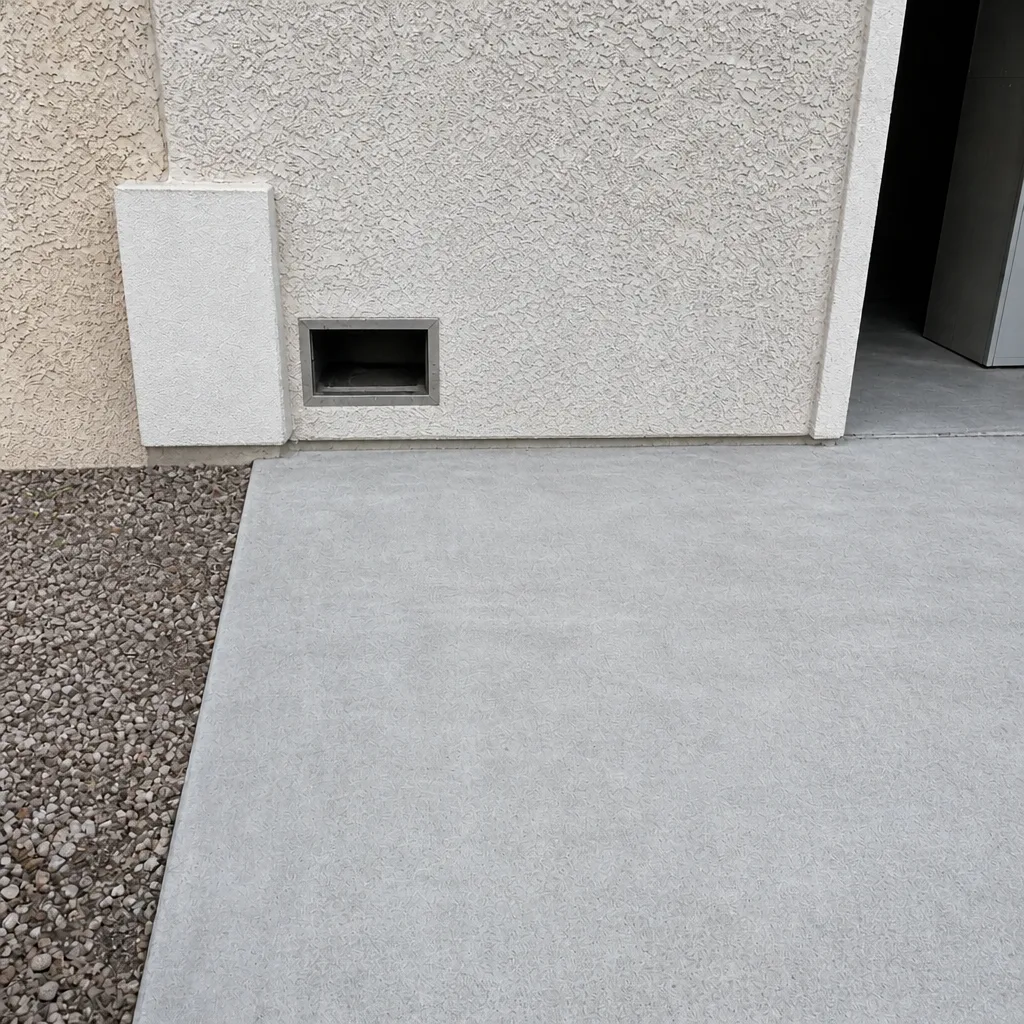 After
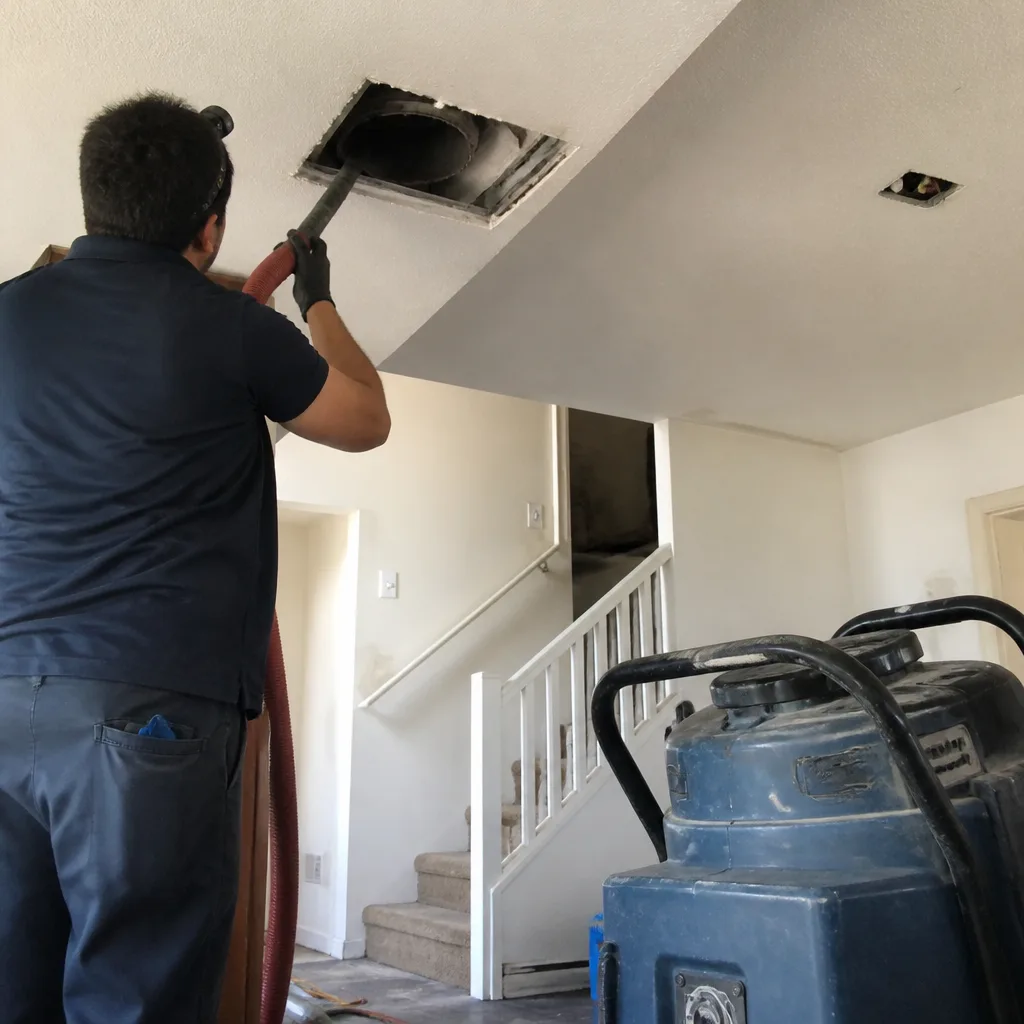 Before
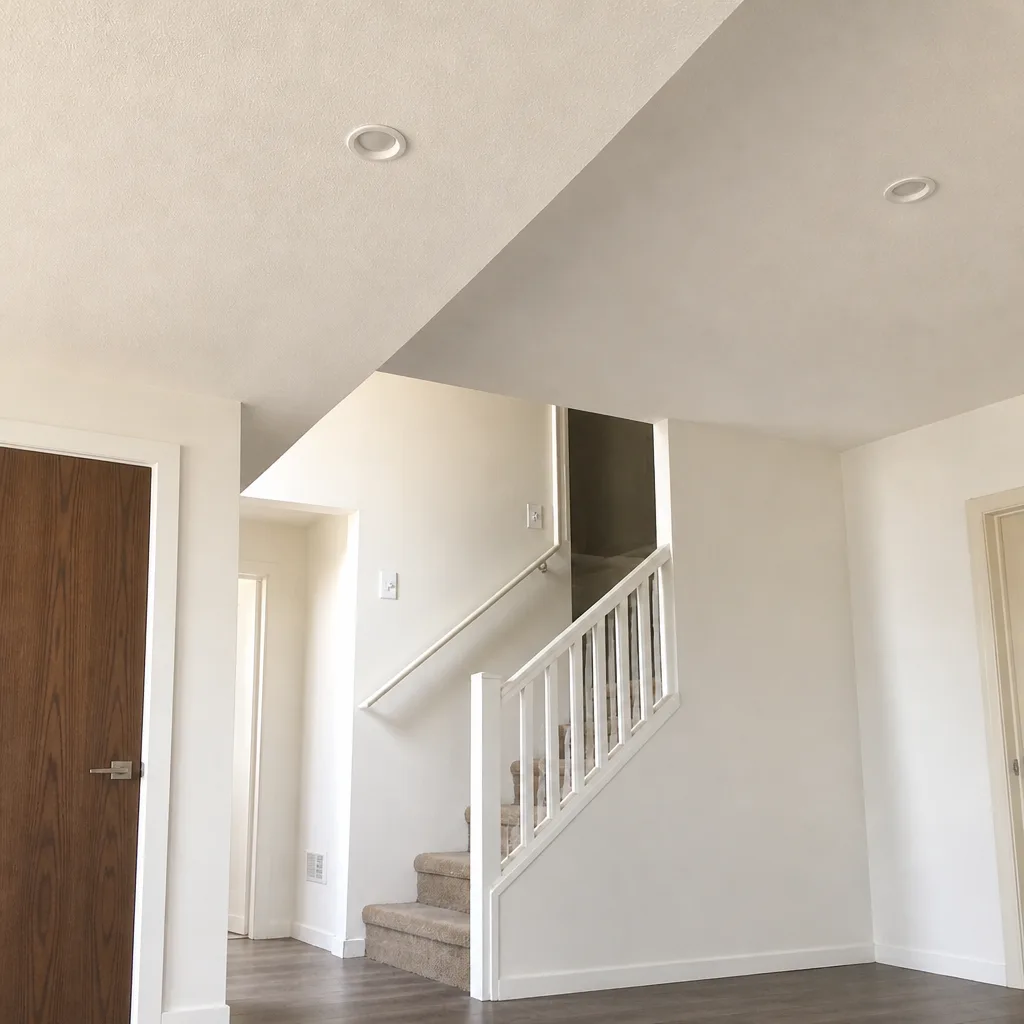 After
How Spring Valley’s Climate Affects Duct Buildup and Cleaning Frequency
Spring Valley runs dry and dusty, with a long hot season and winds that move fine desert dust through the valley. That dust doesn’t stop at the filter. A residential HVAC system draws air from inside the home, but it also pulls in through any leak in the return path, and the fine particulate that dominates Spring Valley’s air accumulates more slowly than wet-area mold or humid-climate buildup, but it accumulates in every duct run that hasn’t been cleaned.
What that means for cleaning frequency is less clear-cut than the marketing suggests. Most homes in Spring Valley don’t need annual cleaning. A reasonable interval for a typical home is every three to five years, and the honest answer for any specific home depends on three things:
- Whether the ducts have been cleaned before since the home was built. New homes often have construction debris in the trunk and branch runs, which is the single biggest reason to clean sooner rather than later.
- Whether the home has pets or recent renovation work. Both put more material into the return path.
- Whether anyone in the home is sensitive to dust or has respiratory concerns. In that case the calculation shifts toward cleaning sooner and inspecting more often.
The “clean every year” pitch is a hard sell in Spring Valley because the climate doesn’t justify it for most homes. A technician who tells you that’s not necessary is giving you information. One who tells you it is every year, without inspecting, is quoting you an annual subscription, not a service.
How to Read a Spring Valley Duct Cleaning Quote
A good estimate on a Spring Valley home has a recognizable shape, and once you’ve seen one, the bad ones are easy to spot. Here’s the sequence a legitimate contractor follows:
- Walk the home and count registers. A quote given over the phone without seeing the layout is a guess. The estimator should count the supply and return registers on-site.
- Identify the duct material. Sheet metal, flex, or a mix. This changes the brush method and sometimes the price.
- Inspect for damage or disconnection. A camera inspection in the trunk line, not just a visual on the boots. This is where a repair line item should come from if there is one.
- Quote a single flat price for the system, in writing. Not per register. Not “starting at” a teaser figure. The written estimate sets the final price.
- Separate add-ons into their own line items. Dryer vent cleaning, sanitizing, and repair should be listed separately so you can decide.
- Show before-and-after photos when the work is done. Photos of your own ducts, not a stock image. If a contractor can’t provide them, ask why.
The paperwork matters as much as the visit. If the estimate you’re handed is a text message, a scribble on a business card, or a number someone quoted while walking out the door, you don’t have an estimate. You have a verbal guess. For a wider look at how a cleaning should be scoped, Highpoint Duct Cleaning is the place to start.
Common Mistakes to Avoid
- Book from a coupon without asking what it covers. A $99 base price represents a specific, narrower scope than a full cleaning. If you don’t ask what’s excluded, you’ll find out during the visit when the add-ons appear.
- Take a phone quote as an estimate. The scope depends on the registers, the duct material, and the layout. A quote without a walk-through is a placeholder.
- Assume all duct cleaning uses the same equipment. A portable shop vac and a truck-mount with HEPA capture are different tools doing different work. Ask before booking, and ask what equipment will be on-site.
- Skip the camera inspection to save the time. A cleaning without an inspection won’t reveal a disconnected branch or a leaking joint, and those are common in Spring Valley’s older tract homes.
- Defer a repair found during cleaning. A $150 duct seal done during the cleaning is a small job; the same seal done after the flex liner has degraded at the leak point is a larger one.
- Book an annual plan you don’t need. Most Spring Valley homes run three to five years between cleanings. Ask what the system actually shows before committing to a yearly visit.
- Pay per register instead of per system. Per-vent pricing invites an invoice that grows with every vent the technician points at. A whole-system price agreed up front is the version that doesn’t surprise you.
When to Call a Professional
Some duct problems are genuinely a call-now situation. If you’re seeing visible dust blowing out of a register, if you’re hearing a whistle or rattle at a supply that sounds like a leak, if a room never gets the airflow it should, or if the return smells of stale or musty air, those are signs of a disconnected or damaged run rather than routine buildup. A recent renovation or a new-home warranty walkthrough is also a good reason to have the ducts inspected before debris becomes a problem. And if you’ve never had the ducts in your home cleaned and you don’t know the history, an inspection tells you whether cleaning is even the right next step. Highpoint Duct Cleaning offers free estimates in Spring Valley, and if the answer is “not yet, you don’t need it,” we’ll tell you that. Call (866) 724-9559.
Frequently Asked Questions
Typical air duct cleaning in Spring Valley runs $300 to $700 for a standard single-story home, and $800 to $1,200 for a two-story home with more registers and longer runs. Add-ons like dryer vent cleaning, sanitizing, coil cleaning, and repair work are quoted separately. The written estimate sets the final price, and estimates are free. Call (866) 724-9559 for an exact quote on your home.
Because they’re quoting a different job. A sub-$200 quote usually reflects a portable vacuum, surface-level register cleaning, and no HEPA capture or rotary brush agitation. That’s an honestly limited service, not a scam on its own, but it doesn’t clean the ductwork itself, and the homeowner is the one who finds out later when the problem returns. A full-scope quote reflects truck-mount-class vacuum, HEPA filtration on-site, and the labor to agitate and extract across the whole system. Call (866) 724-9559 if you want to compare a full-scope quote against a coupon price.
Before-and-after photos of your own ducts. Not a stock photo, not a before-and-after of someone else’s home, but photos of what the technician found and what was pulled out. Ask for them, and ask to see the debris collection bag if it’s a larger job. A technician who’s done the work has nothing to hide in showing it. Call (866) 724-9559 and ask how the after-cleaning documentation works.
For most homes, every three to five years. The dry climate here means you’re not fighting mold or humidity buildup, so the aggressive annual-cleaning pitch rarely matches what a Spring Valley home needs. Newer homes with construction debris in the ducts, homes with pets, and homes where someone has respiratory sensitivities justify cleaning sooner. Call (866) 724-9559 and we’ll help you figure out where your home sits in that range.
Not necessarily, but it’s worth asking while the technician is on-site. Dryer vent cleaning is a separate line item from duct cleaning because it’s a different system, and the price typically falls in the $100 to $200 range. If your dryer has been taking longer to dry clothes than it used to, that’s the trigger to schedule it. Call (866) 724-9559 to have both looked at in one appointment.
Then you’re getting the most valuable information of the visit. A disconnected, leaking, or crushed duct section is a repair, not a cleaning problem, and it’s why our team handles repair as a named service rather than deferring to a second contractor. Sealing a leaking duct typically runs $150 to $400, which is far less than the cost of letting a leak degrade the liner over time. Call (866) 724-9559 and ask for an estimate that includes a camera inspection and, if needed, repair scoping.
The Bottom Line
The number on a Spring Valley duct cleaning quote isn’t a markup; it’s a picture of the scope, the equipment, and the labor behind the job. Cheap quotes are cheap because they’re doing a smaller job with lighter equipment; a high quote without documented damage is a blank check. The only real protection, as a homeowner, is a written estimate that counts the registers, identifies the duct material, includes a camera inspection, and sets one flat price for the system before anyone starts work. For a full scope on what a professional cleaning involves, see air duct cleaning for Spring Valley homes, or call Highpoint Duct Cleaning at (866) 724-9559. We answer 24/7. Fast dispatch from 7am to 7pm, Sunday through Friday. Estimates are free.
Written by the team at Highpoint Duct Cleaning.