
Last updated November 14, 2026
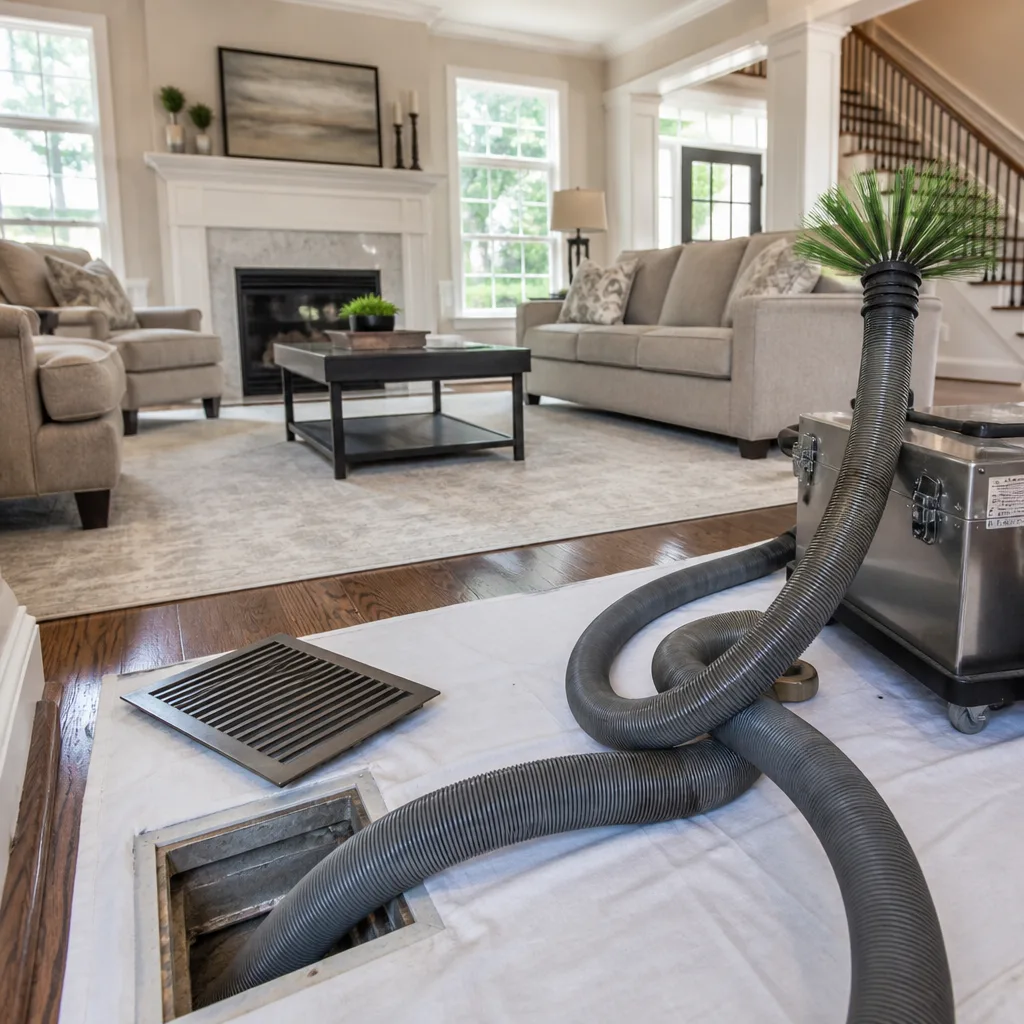 Whole-home duct cleaning
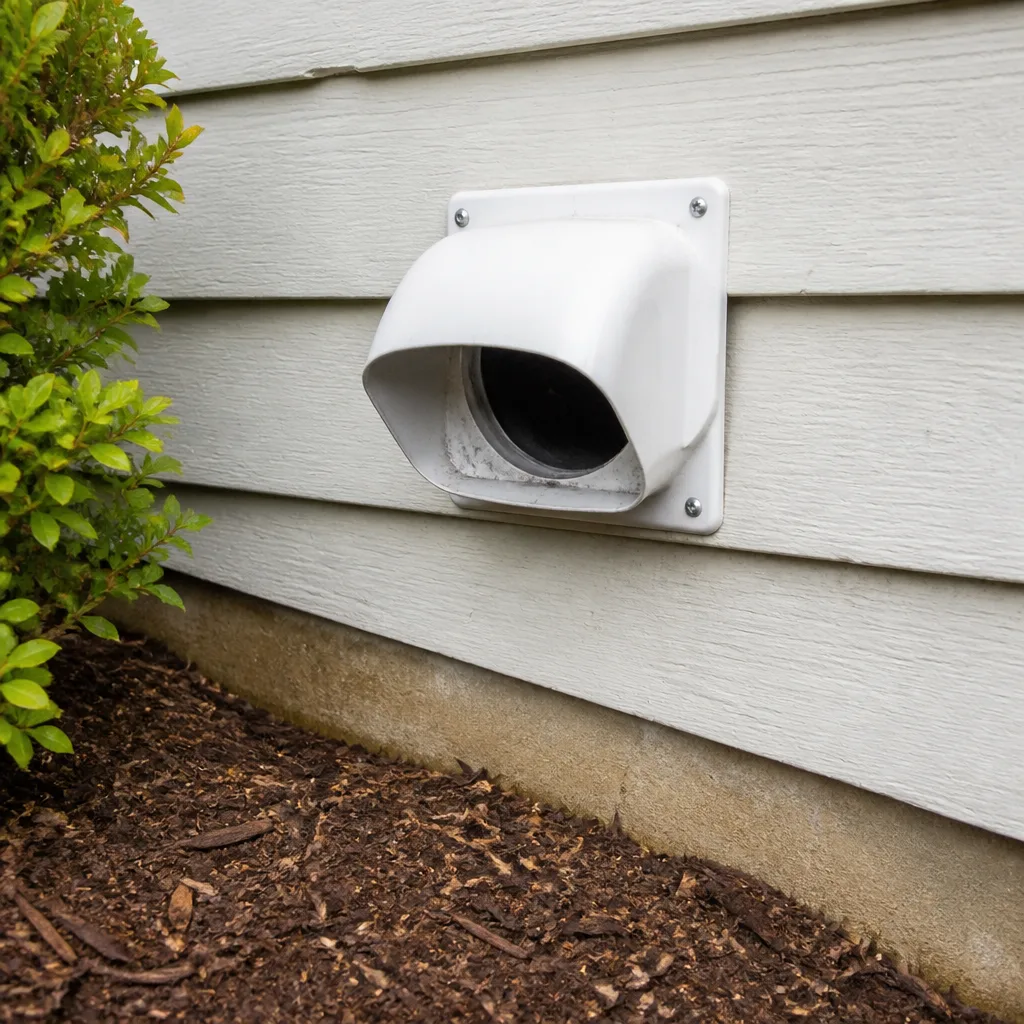 Dryer vent cleaning
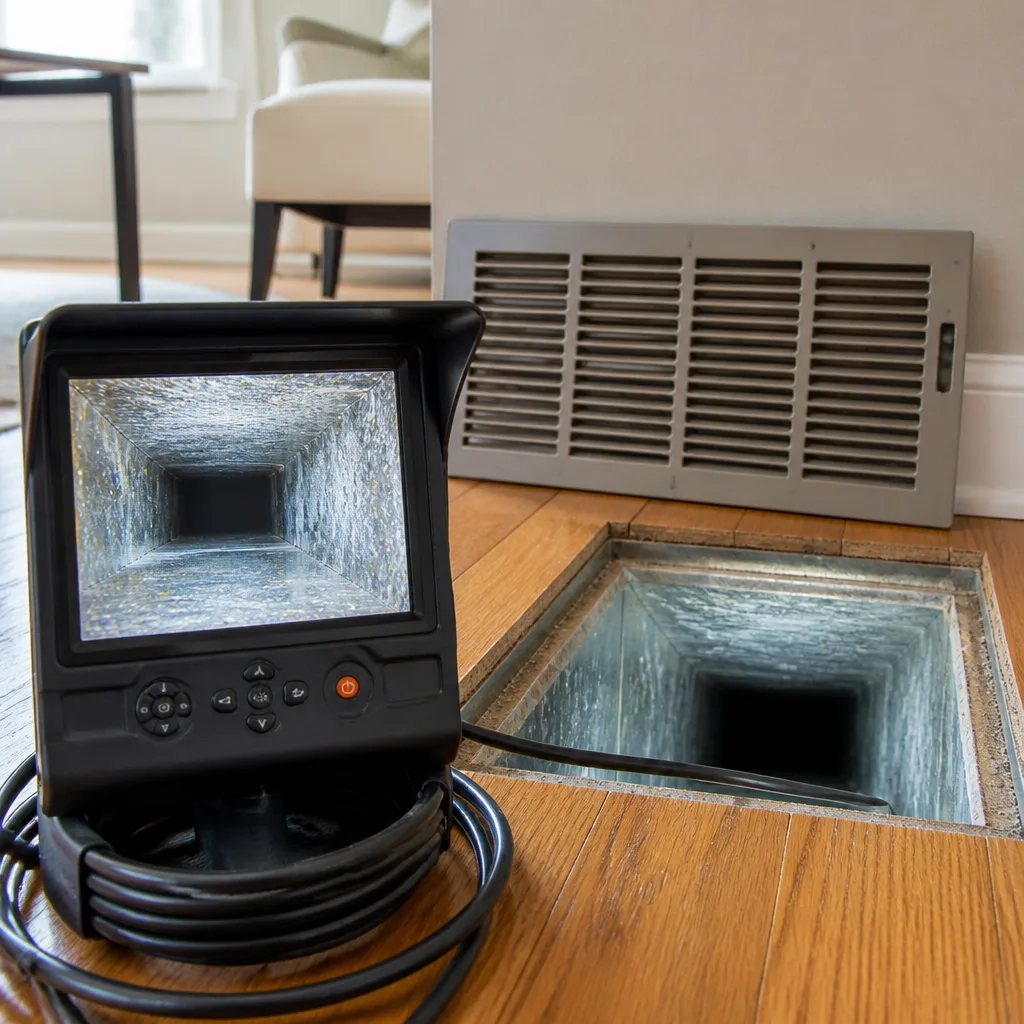 Camera inspection
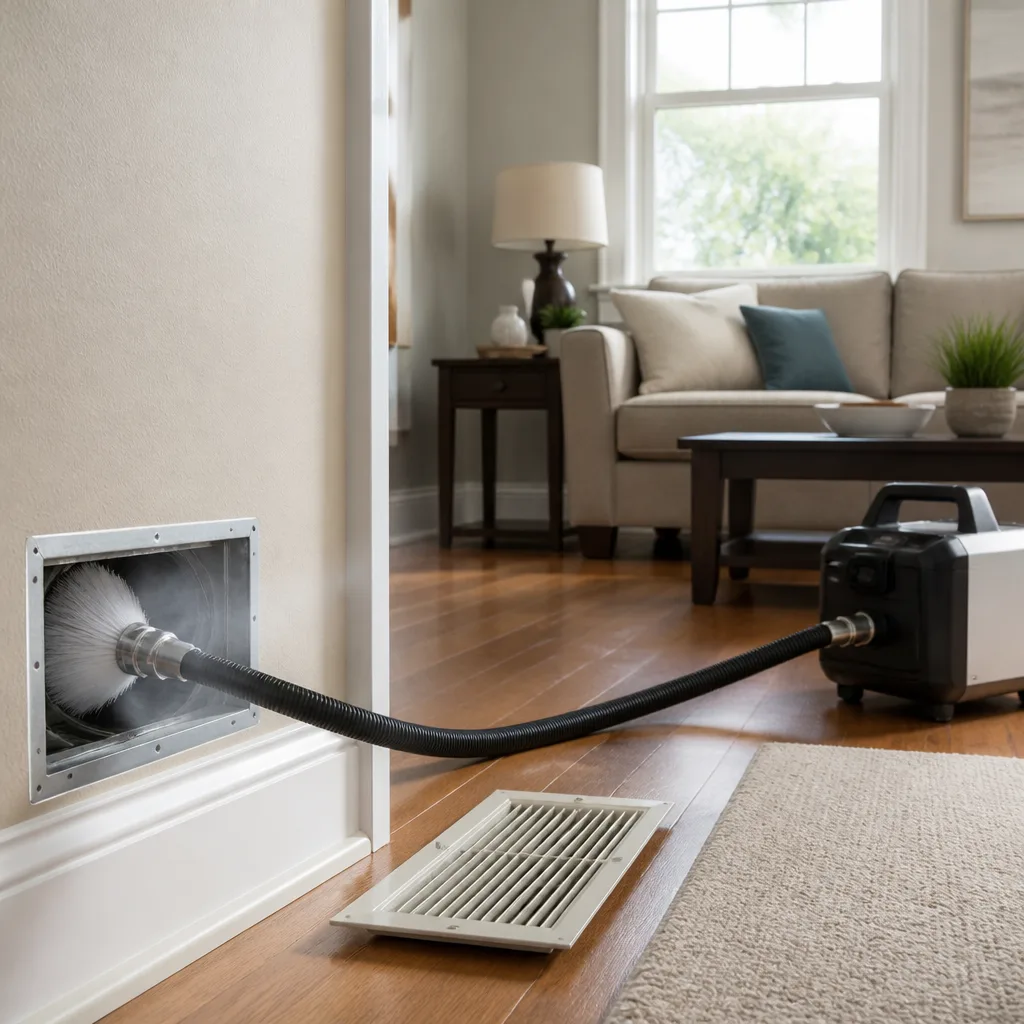 Sanitizing & deodorizing
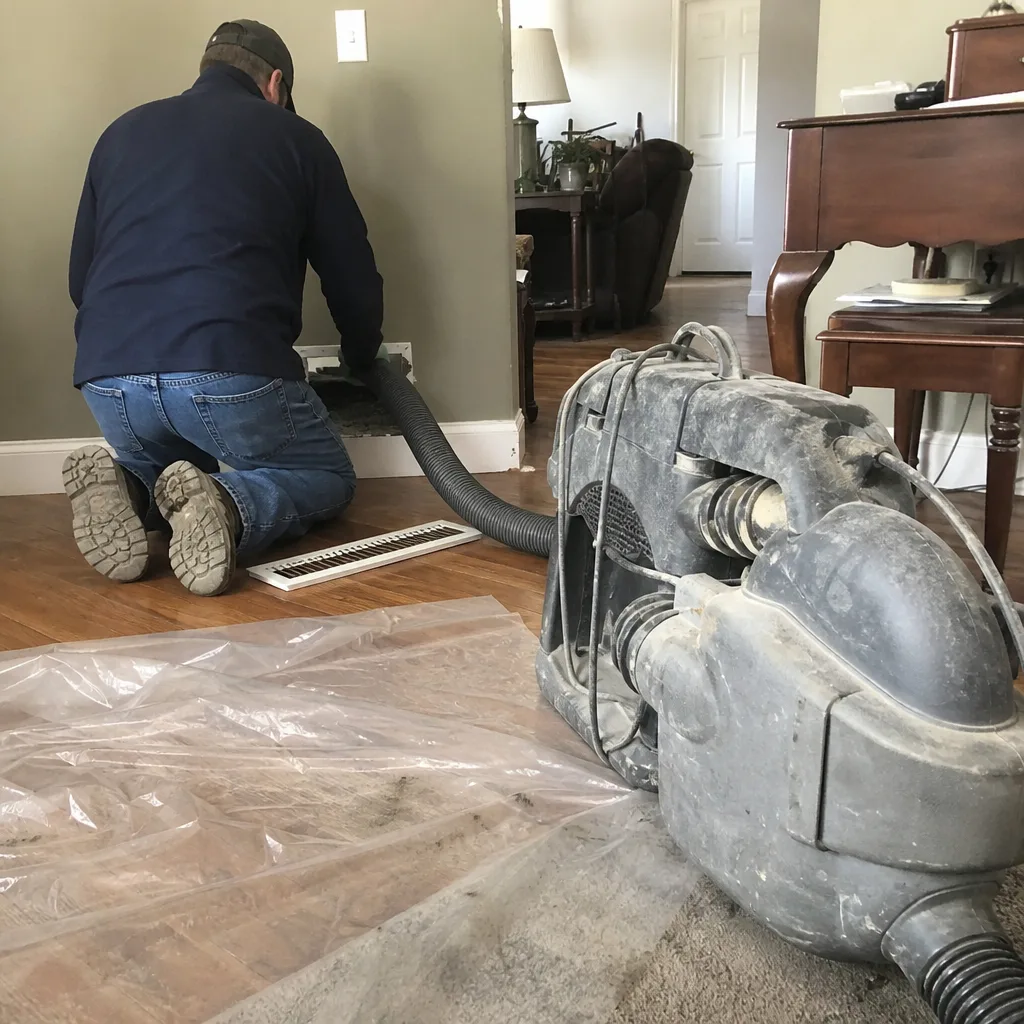
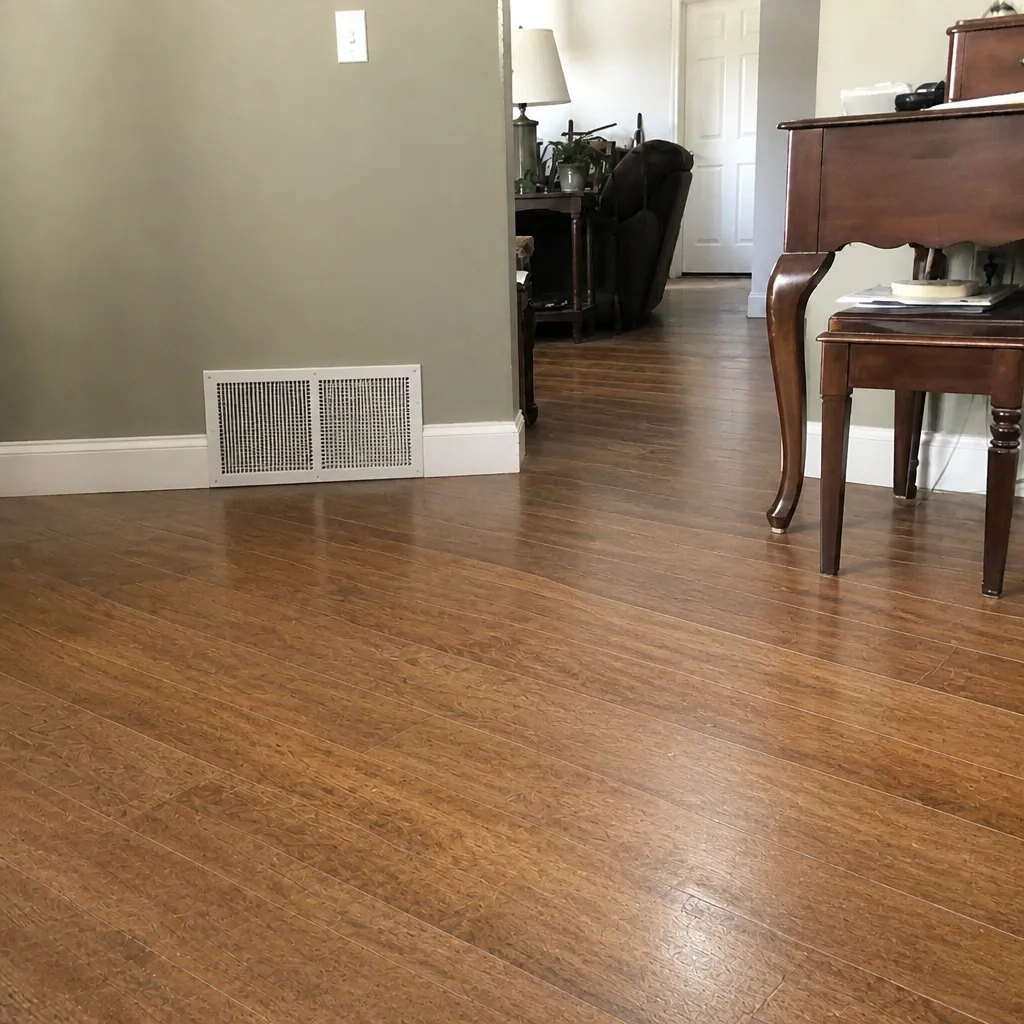
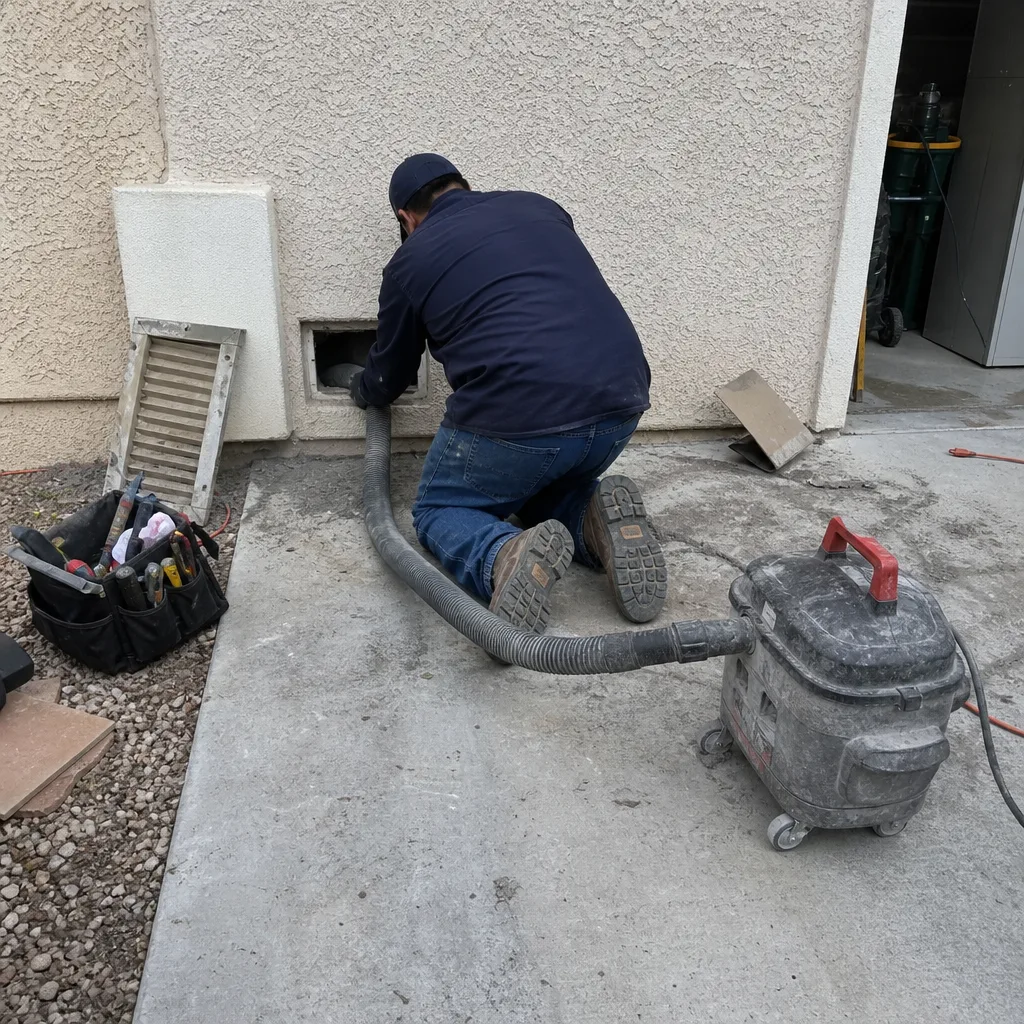
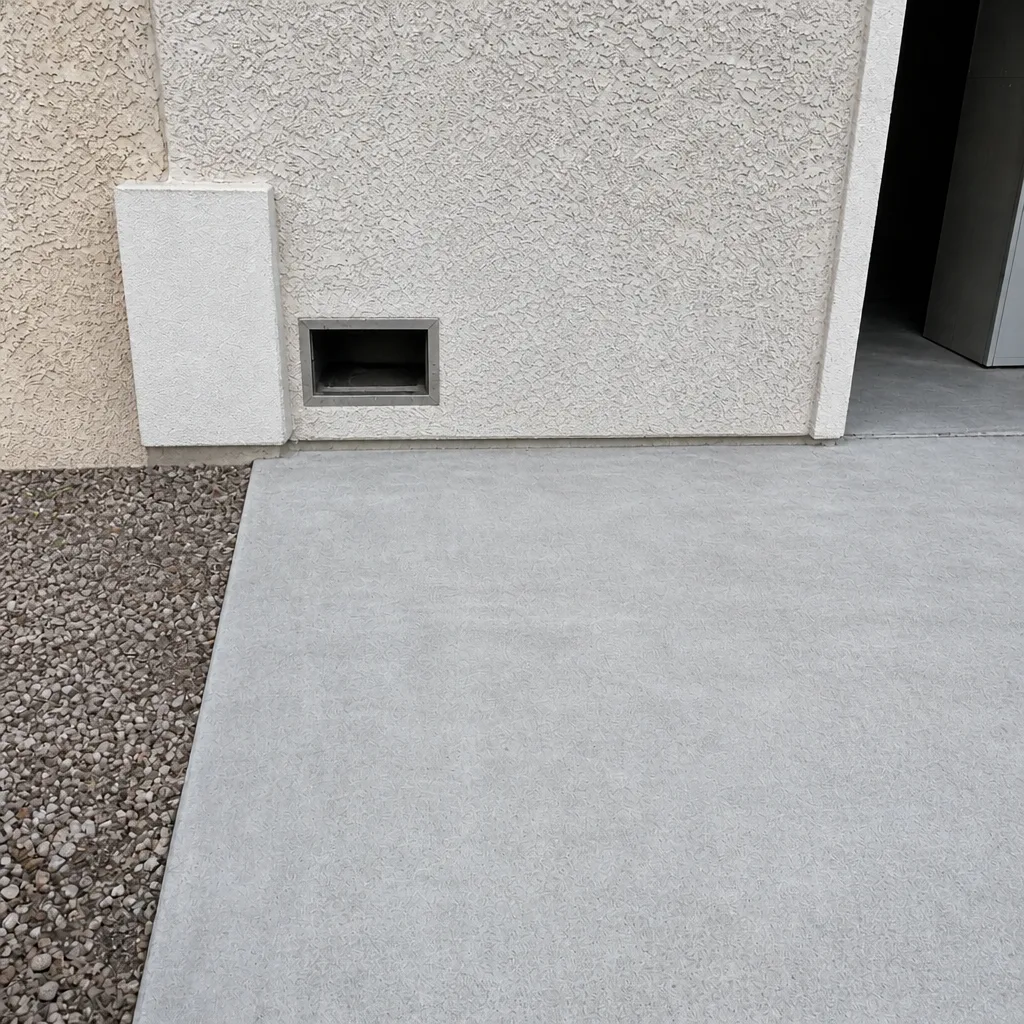
Whole-system duct and dryer vent check with before-and-after photos - you see exactly what came out of your vents
That "$99 whole-house special" is a bait ad - the real number appears once they are in your hallway, or the "clean" is a shop-vac at the register. We photograph the inside of your ducts before and after instead.
Air Duct Cleaning Maintenance Schedule: What to Do and When
Most homeowners looking for a maintenance interval want one number they can set a reminder for and forget. The number they usually find is three to five years, and for a house in Spring Valley that number is optimistic. Not because the rule is wrong in general, but because it was written for an average American climate with average particulate loads, and Spring Valley is not average on either count. Desert dust here has a different composition than household dust back East, it arrives in larger volumes, and it settles into return-air paths faster. What follows is a maintenance schedule built around the conditions in Spring Valley, Nevada, not a copy of a national article. You’ll learn what interval actually fits your home, which events reset the clock regardless of time elapsed, what you can inspect yourself between professional visits, and how to document a cleaning so the next technician has a real baseline.
Quick Answer
In Spring Valley, most homes need professional duct cleaning every two to three years, not the three to five years commonly quoted. If your home has pets, recent renovation, roof work, or a filter upgrade to MERV 11 or higher, expect that interval to shorten. The right answer for your house is set by dust load and system condition, not by a calendar alone, which is why a visual inspection of the return plenum and a filter check tell you more than the years-since-last-cleaning number.
Styles & brands we work with
- Whole-home duct cleaning
- Dryer vent cleaning
- Camera inspection
- Sanitizing & deodorizing
Table of Contents
- Why the Standard Three-to-Five-Year Rule Fails in Spring Valley
- How Desert Dust Is Different and Why It Loads Your Ducts Faster
- The Maintenance Interval That Fits Your Home
- Events That Reset the Duct Cleaning Clock
- Filter MERV Ratings and Duct Lining: The Static Pressure Question
- What to Check Between Professional Cleanings
- How to Document System Condition After a Cleaning
- Common Mistakes to Avoid
- When to Call a Professional
- Frequently Asked Questions
Why the Standard Three-to-Five-Year Rule Fails in Spring Valley
The three-to-five-year rule assumes a certain settled dust volume per year reaches your return grilles. In most of the country, that volume is modest. In Spring Valley, it is not. The Las Vegas Valley airshed carries particulate loads that routinely exceed national averages, and that material does not stay outdoors. It passes through door gaps, through the attic, through the garage, and into the return air stream of your HVAC system every time the fan runs. The result is a duct system that accumulates debris at a pace the national article was never written for.
That doesn’t mean you should clean annually. Over-cleaning is its own mistake, and a duct system that gets agitated too often is a duct system whose lined and flex sections see more mechanical stress than necessary. What it means is the calendar should be a two-to-three-year baseline in Spring Valley rather than a three-to-five-year one, adjusted up or down by the factors below.
There’s a second reason the generic rule misleads here. Spring Valley housing stock is dominated by slab-on-grade construction with ductwork running in the attic, and attic ducts in the Mojave summer sit in environmental temperatures that stress flex duct connections over time. A duct system that has developed a small disconnected section in the attic doesn’t just lose efficiency, it pulls attic insulation fibers and outside dust into the airstream continuously. The cleaning interval you thought you had is no longer the interval that matters. You have a repair problem, and cleaning without repair only becomes a repeat of the same call.
The honest way to think about it: Spring Valley homes need a first professional cleaning sooner than the national average suggests, and the exact re-cleaning interval is set by what your system shows in inspection. If you want to read more about what a full service visit actually involves, our page on air duct cleaning walks through the process.
How Desert Dust Is Different and Why It Loads Your Ducts Faster
Dust is not one substance. The dust that settles on a Spring Valley patio is mostly mineral in composition, and that mineral content behaves very differently in your ductwork than the organic dust (skin cells, textile fibers, pet dander) that dominates the national picture of household dust.
Two mineral components matter most:
- Fine silica particles. Quartz-based silt is small enough to stay suspended in moving air for a long time and hard enough to abrade surfaces over repeated contact. When a duct system pulls it in continuously, the silica doesn’t just collect in a pile on the bottom of the duct. It distributes into the airstream and along the duct lining, where it acts like a fine abrasive over the life of the system.
- Alkaline caliche dust. Local soil formations include caliche, a calcium-carbonate hardpan, and windblown caliche dust is alkaline. Deposited on interior duct surfaces and held in moisture, it can contribute to the light mineral film you sometimes see on the interior of metal trunk lines. It also changes how dust clumps, which affects how easily a filter captures it and how thoroughly a cleaning pass removes it.
The practical consequence is straightforward: mineral dust loads filters faster, loads their pore structure more fully, and deposits along duct interiors in a way that a light shop-vac pass cannot adequately remove. The professional-grade rotary brush equipment that agitates and then extracts this material (Rotobrush in the trunk and branch lines, Nikro negative-pressure extraction behind it) is designed specifically for the mineral-laden, finedust environment that Spring Valley systems see. An improvised tool won’t lift the caliche film.
If your home was built before the mid-1980s in Spring Valley, there’s one additional layer of diligence: connect with a technician who can look at the interior material of your duct system and tell you what you have. Older metal duct systems were sometimes lined with materials that warrant a careful look before any mechanical agitation. That’s a conversation to have during inspection, not a reason to skip maintenance.
The Maintenance Interval That Fits Your Home
Use the baseline of two to three years, then adjust:
- Baseline – no pets, no recent construction: the two-to-three-year window, with a visual inspection of the return plenum every year on your own.
- One or more pets: shorten to roughly the two-year mark. Pet hair binds with mineral dust and forms a mat on the return grille that passes visibly less air.
- Recent renovation or roofing: clean after the work is done and drywall dust has settled. Do not pay for a cleaning before demolition.
- Long-vacant home: treat as a first cleaning regardless of reported history. A house sitting empty in Spring Valley dust accumulates in the duct system more than the age suggests.
- New filter of MERV 11 or higher: add a system inspection to your planner (see the MERV section below). A filter upgrade can change the interval in either direction.
- Prior disconnected or damaged duct sections found: repair first, clean after. Highpoint offers air duct repair as a named service so the work can happen in the same visit window rather than deferred.
The key discipline is not to set a single number and forget it. Check your return grilles and filter monthly, do one inspection of the attic duct runs each season, and let what you find move the interval in either direction. A Spring Valley home served well by a technician will end up with a schedule specific to that house, not a generic rule.
Our broader Spring Valley service area page lists the documentation we provide after a visit, which is the piece most homeowners lack when they try to schedule the next one.
Events That Reset the Duct Cleaning Clock
The calendar matters less than the events. Any of the following resets the duct cleaning interval regardless of how recently the last cleaning happened:
- Roof work. Tear-off and re-roofing push fine granules and roofing debris into attic cavities. If your ducts run through the attic plenum (most Spring Valley homes), the system pulls from that air. Schedule cleaning once the roof work is done and the debris is cleared.
- Remodeling or drywall work. Drywall dust is finer and more pervasive than most people expect. It travels through the whole house through door gaps and return paths, and it settles into every duct opening. Clean after sanding is complete and the room has been vacuumed.
- Rodent activity. If you’ve had mice or packrats in the attic (common in the desert environment), a duct system inspection is essential. Rodents contaminate duct interiors and sometimes cause physical damage to flex runs. Clean and inspect together, not clean alone.
- HVAC equipment replacement. A new air handler or coil is a good moment for duct cleaning. Old systems run with degraded seals and dirty interiors; installing a new one without addressing the ducts compromises the new equipment from day one.
- Water intrusion into the attic plenum. Any roof leak, evaporative cooler failure, or condensate pan overflow that reaches the duct insulation warrants an inspection and cleaning. Mold growth on duct liner is not something a routine cleaning resolves; be honest with yourself about what you’re dealing with.
- Moving in. You don’t know the prior resident’s habits. A first cleaning when you take possession of a Spring Valley home establishes a baseline and removes whatever has accumulated.
Filter MERV Ratings and Duct Lining: The Static Pressure Question
More filter is not always better filter. This is the single point in duct maintenance that most homeowners get wrong, and the change can accelerate duct lining wear if nobody measures.
When you upgrade from a standard MERV 8 filter to a MERV 11, 12, or 13, you increase capture efficiency. You also increase resistance to airflow. The static pressure in the system rises. If the system was already near the top of its designed pressure budget, that extra resistance can do two things worth watching:
- Blower and motor strain. The blower works harder, uses more energy, and can shorten equipment life.
- Duct lining stress. Higher pressure on flex duct runs means more expansion and contraction, which stresses the connections at collars and plenum transitions. In an attic where summer heat already stresses the materials, this adds up. Small leaks at these transitions then pull attic air (and insulation fibers) into the airstream.
The right sequence:
- Upgrade the filter only after a technician has measured total external static pressure and confirmed the system has headroom.
- If you can’t measure pressure, use a medium-efficiency filter (MERV 8 to 11) rather than jumping straight to a MERV 13 in a system that wasn’t designed for it.
- Seal the filter slot. A thin gap around a nominally good filter can make filtration irrelevant by allowing unfiltered air to bypass. A gasketed filter housing or a simple foam seal around the slot is a real improvement.
- Re-inspect the duct system after your first full season on a new filter. If you see new settled dust at the supply registers, the filter change may be interacting with a static pressure problem worth diagnosing.
Filter media alone doesn’t resolve Spring Valley’s mineral dust load. What it does is change how much of that mineral dust reaches the duct interior. The correct MERV rating and the correct maintenance interval are connected decisions, not separate ones.
What to Check Between Professional Cleanings
A handful of simple checks between professional visits keeps your system from drifting, and it tells you exactly when to move the interval up. None of these put you in contact with anything dangerous.
- Monthly return grille check. Remove the return grille and look at the face of the filter and the immediate plenum behind it. A uniform coating of light grey dust on the plenum wall is normal. Visible matted dust is time to check the calendar.
- Supply register check. Each quarter, look at the interior of each supply register for streaking or a settled line of dust along the perimeter. Streaking on the register face often indicates a small leak at the boot collar.
- Attic flex duct inspection – twice a year (spring and fall). From a safe standing point on a walkway or platform, look for crushed, disconnected, or visibly kinked flex runs. Moisture stains on duct wrap mean the duct needs fixing before the next cleaning.
- Filter change on schedule, not on appearance. Spring Valley mineral dust turns a filter dark on the surface long before it stops filtering. Change monthly during the cooling season if the filter is pre-sized to your air handler, or follow the rated interval if you’re using a thicker media filter. Write the date on the filter edge.
- Airflow feel test. Every three months, hold your hand up to each supply register. Noticeably weaker airflow at one register usually means a disconnected flex run or a crushed duct in the attic, both repair-not-cleaning problems.
The attic visit is worth doing on a cool morning, and only from a place where you can stand or kneel safely. Attic temperature in a Spring Valley summer is a hazard on its own, and walking on joists between rafters is not worth the risk. If the layout is unfamiliar, call a professional to do the inspection.
How to Document System Condition After a Cleaning
Most duct cleaners leave no record of what they found. That absence is exactly what makes the second visit uncertain, and it’s the behavior of a “blow-and-go” operator who ran a shop vac through the system and left. A serious cleaning should leave you with visible and documented evidence you can hand to the next technician.
Ask for the following:
- Before-and-after photographs of your own ducts. Interior shots of the trunk line and at least one branch line, showing the condition before agitation and after extraction.
- A written note of any damaged or disconnected sections found. Not “system looked good” but specific: which run, which transition, and whether the technician recommends repair or monitoring.
- The pre-cleaning static pressure reading. A number that lets the next technician see whether the filter change you make will create too much additional resistance.
- Filter MERV rating actually installed. Pre-existing and post-cleaning, with the date noted on the filter edge.
- Which register was the weakest in airflow. This is the one you’ll want to watch first between visits.
The professional equipment matters here as much as the paperwork. A technician working with a Rotobrush rotary system and a Nikro negative-pressure unit produces visible before/after contrast because the equipment actually extracts. Household tools can’t produce that documentation honestly. Highpoint Duct Cleaning is an indoor-air specialist that connects you with technicians who use professional-grade equipment and who can carry out air duct repair in the same visit window if a damaged run is found. If the report you get from another company has no photographs and no specific notes, that’s information about the cleaning.
Common Mistakes to Avoid
- Following the national three-to-five-year rule uncritically. In Spring Valley, that schedule leaves a mineral-loaded duct system running longer than it should. Set the baseline at two to three years and adjust from inspection, not from a generic article.
- Cleaning before a renovation, not after. Paying for a cleaning before demolition means the dust generated by construction enters the same ductwork you just had cleaned. Schedule the cleaning for after surface work is complete.
- Upgrading to a MERV 13 filter without measuring static pressure. A higher-rated filter increases resistance and stresses flex duct transitions in the attic. Use MERV 8 to 11 unless a technician has verified the system has headroom.
- Cleaning when the real problem is a repair. If a branch line is disconnected or crushed, cleaning cannot fix it, and cleaning without repair only becomes a repeat call. Have the system inspected before assuming a cleaning is the answer.
- Skipping the documentation. A cleaning with no before-and-after photographs and no written notes is a cleaning you can’t verify and the next technician can’t work from. Ask for the record before the crew leaves.
- Sealing the filter slot with foil tape “just to be safe”. Strong adhesive tapes on the air handler cabinet can damage the finish and interfere with service access. A gasketed housing or a foam perimeter seal is the low-risk fix.
- Assuming a coupon priced cleaning is a cleaning. The lowest quote usually reflects the equipment used, not the caliber of the work. Ask what machine the crew runs. If the answer is not a professional-grade rotary system and a negative-pressure unit, the price and the work go together.
When to Call a Professional
Call a professional for the first cleaning on a home you just moved into, any time a return grille has visible matted dust, after any renovation or roofing project, and immediately if you’ve had rodent activity in the attic. A technician should inspect any duct system where one register feels substantially weaker than the rest, or where you find a crushed or disconnected flex run. The same goes for the small tell-tales: fine dust reappearing at supply registers shortly after a cleaning, or a mineral film on duct interior surfaces that a light vacuum can’t lift. None of these are dangerous on their own, but they compound, and the Spring Valley dust load means each one gets worse faster than the national article would suggest. Highpoint Duct Cleaning offers free estimates in Spring Valley. Call (866) 724-9559 for a free estimate. We answer 24/7, with fast dispatch from 7am to 7pm, Sunday through Friday.
Frequently Asked Questions
Every two to three years is the right baseline for most Spring Valley homes, shorter than the three-to-five-year figure usually quoted online. The difference is the mineral dust load in the Las Vegas Valley airshed, which accumulates in return-air paths faster than national average conditions. Homes with pets, recent renovation, roof work, or a filter upgrade to MERV 11 or higher should shorten that interval further or add an inspection. Call (866) 724-9559 for an exact quote – estimates are free.
Pricing is set per job by a written estimate after a system walkthrough, not by the vent count or a coupon number. The reason we won’t quote per-vent is that the actual work depends on system size, ductwork material, whether the system runs through the attic, and whether any damaged sections need repair. Be cautious of any company that quotes a single low number before seeing the system; the honest practice is to agree a flat price for the whole system before work starts. Call (866) 724-9559 for an exact quote – estimates are free.
Because the crews arriving are using different equipment. A low quote usually reflects a shop-vac or consumer-grade vacuum passed off as a professional tool, with no negative-pressure setup and no HEPA capture. Professional cleaning uses purpose-built equipment (Rotobrush and Nikro for agitation and extraction, Abatement Technologies HEPA for air capture), which costs more to operate and represents a different tier of work. The two prices aren’t for the same job. Call (866) 724-9559 for an exact quote – estimates are free.
It can, in either direction. A higher-rated filter captures more of the mineral dust that would otherwise reach your duct lining, which can lengthen the interval. But it also adds static pressure, and in a system already near its pressure budget, that extra resistance stresses attic flex duct transitions and can shorten the life of the ductwork itself. Have a technician measure the system before upgrading, and schedule an inspection after your first full season on the new filter. Call (866) 724-9559 for an exact quote – estimates are free.
Ask for before-and-after photographs of your own ducts, not stock images, and ask for a written note of any damaged or disconnected sections found. A serious cleaning leaves visible interior evidence of the trunk line and at least one branch line. If the crew can’t produce that documentation, that tells you something about the cleaning. Call (866) 724-9559 for an exact quote – estimates are free.
That’s where repair capability matters. A technician who finds a crushed, disconnected, or leaking duct section during cleaning should be able to fix it in the same visit window, not defer you to a second contractor. Highpoint is set up to do that: dryer vent cleaning is separate, but air duct repair is a named service and can be scheduled alongside cleaning. Ask during the estimate whether the crew can handle what they find. Call (866) 724-9559 for an exact quote – estimates are free.
Once a year for most households, and more often if your dryer runs a heavier schedule. Lint accumulates in the vent line regardless of the desert climate, and drying cycles slow down noticeably before the line is fully blocked. A dryer that needs two cycles to dry a load is the standard early signal that the vent line has lost airflow. Call (866) 724-9559 for an exact quote – estimates are free.
The Bottom Line
Every home in Spring Valley is different, but the maintenance framework is straightforward. Baseline at two to three years for a professional cleaning, then move the interval shorter for pets, renovation, roof work, rodent activity, HVAC replacement, or moving in. Inspect the return grille monthly and the attic flex runs twice a year. Upgrade your filter only after someone has measured static pressure. Document the cleaning with photographs and written notes. And when a duct cleaning uncovers a repair issue, address it before the next cleaning; a disconnected or crushed flex run is a repair that cleaning can’t fix. If you want a schedule built for your home rather than a national article, call (866) 724-9559 for a free estimate. We answer 24/7, with fast dispatch from 7am to 7pm, Sunday through Friday. You can also read more about our Highpoint Duct Cleaning approach to indoor air.
Written by the team at Highpoint Duct Cleaning.
See the difference
 Before
 After
 Before
 After
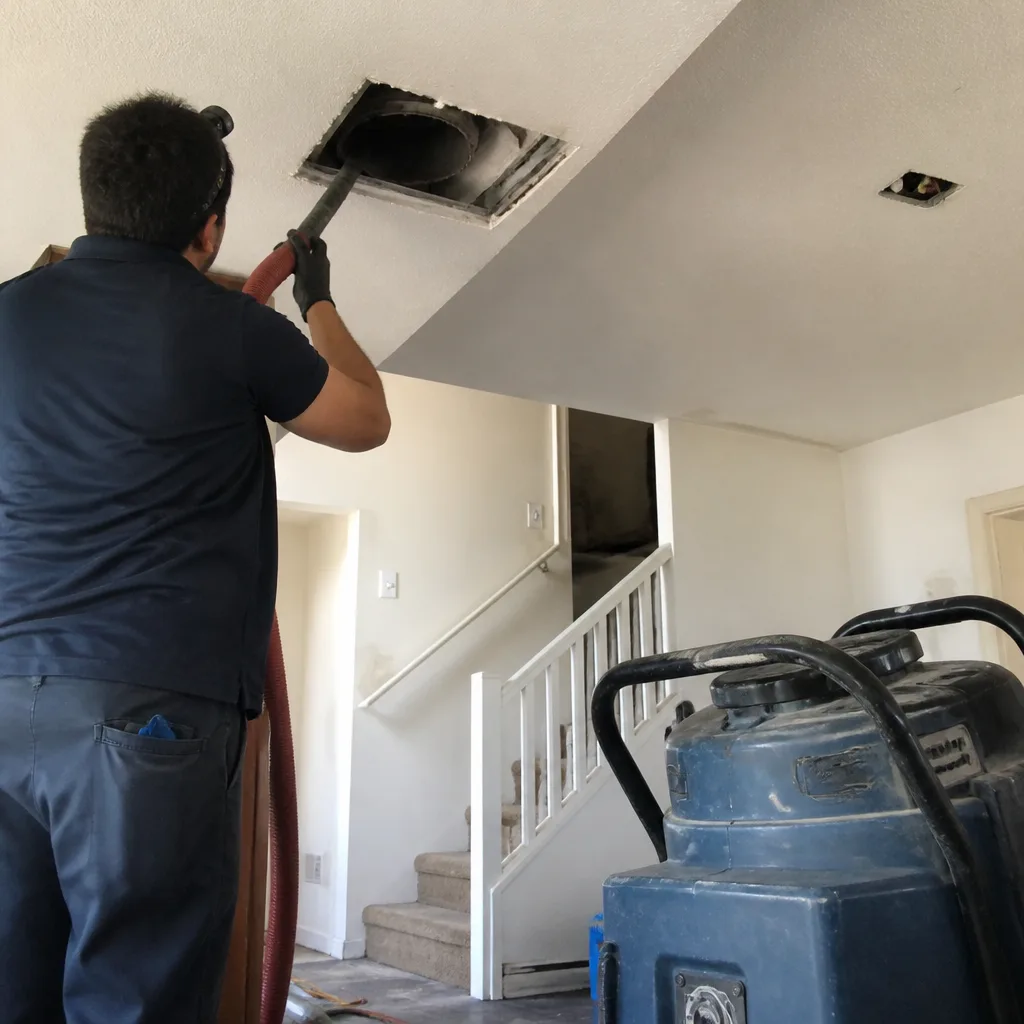 Before
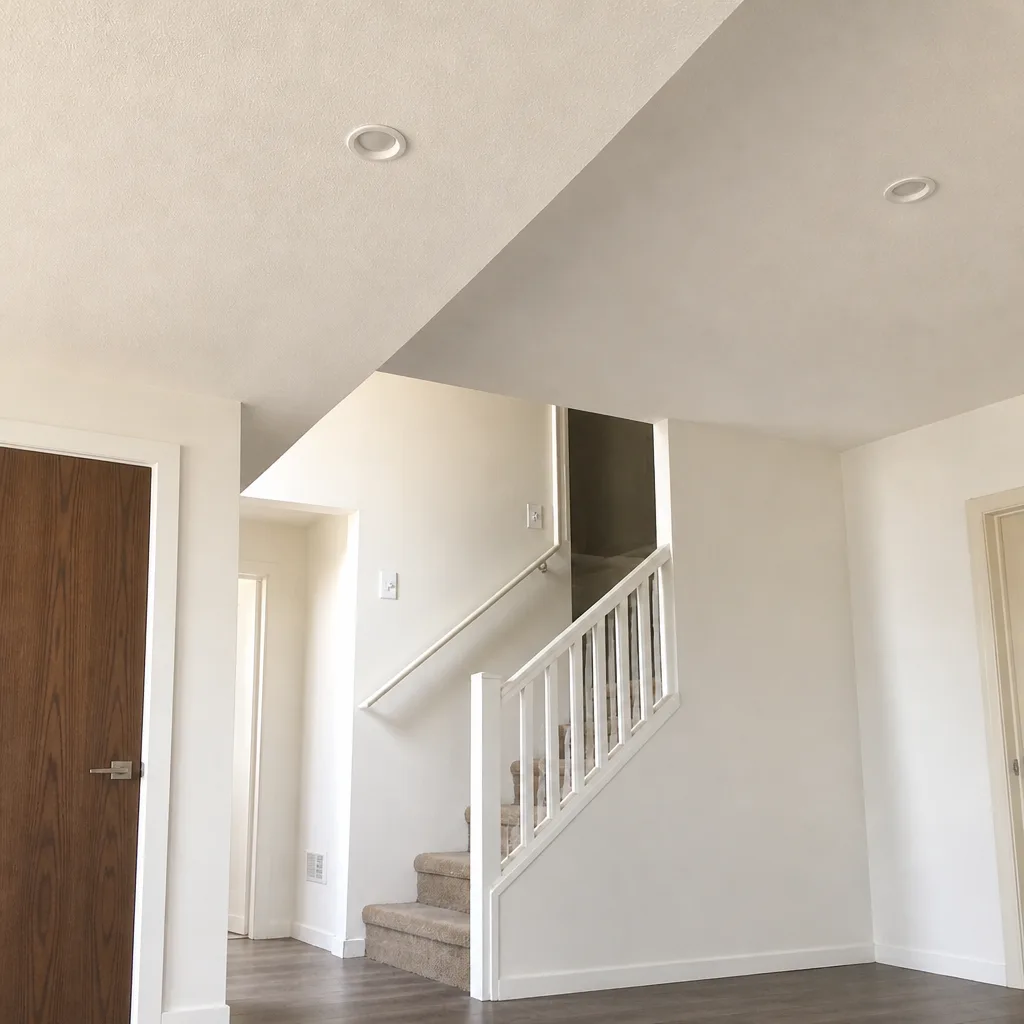 After