
Last updated November 14, 2026
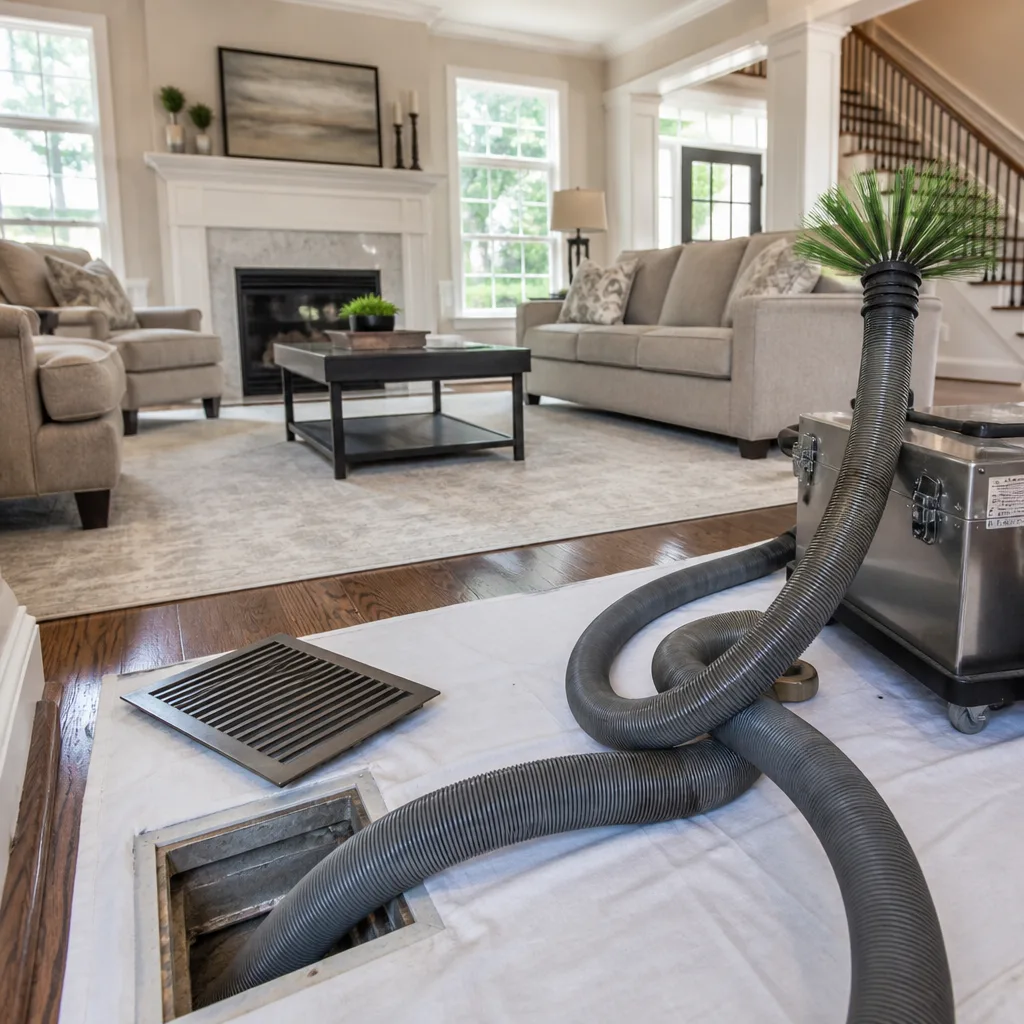 Whole-home duct cleaning
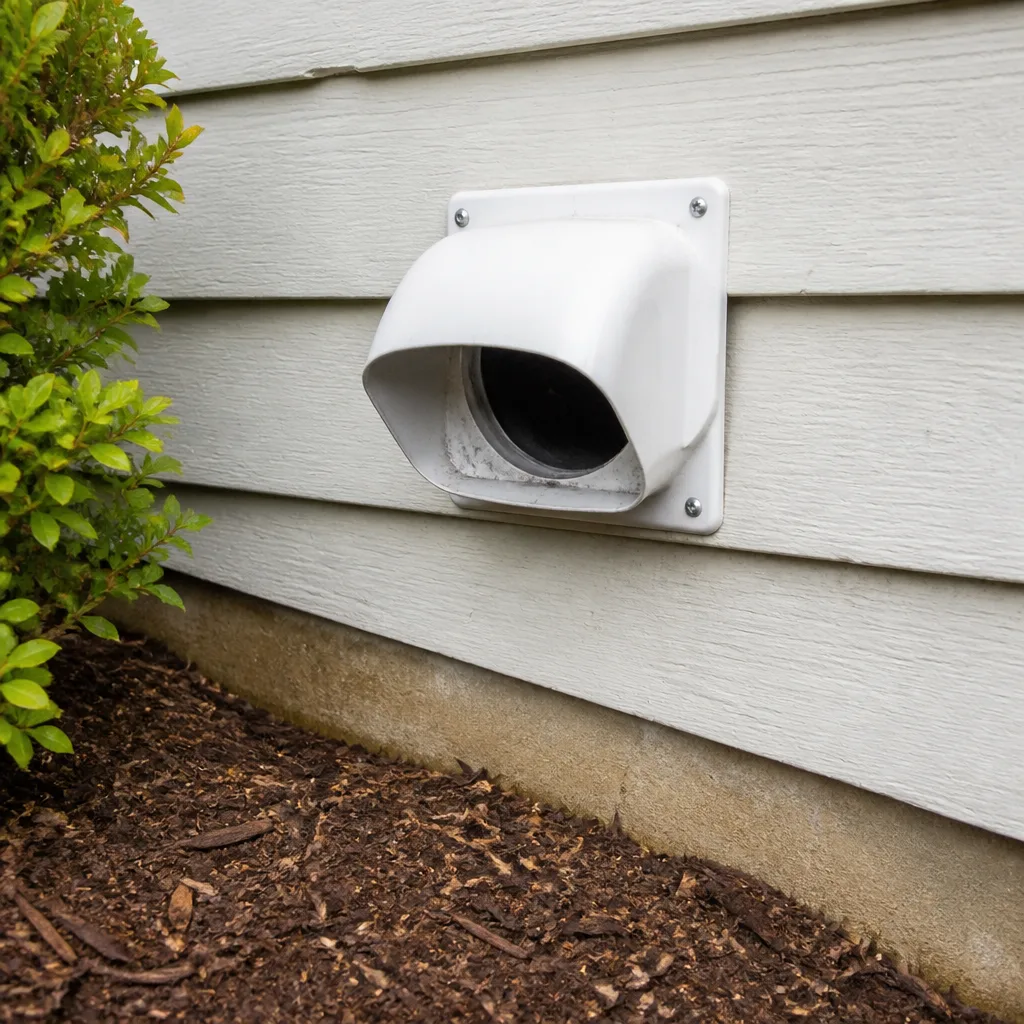 Dryer vent cleaning
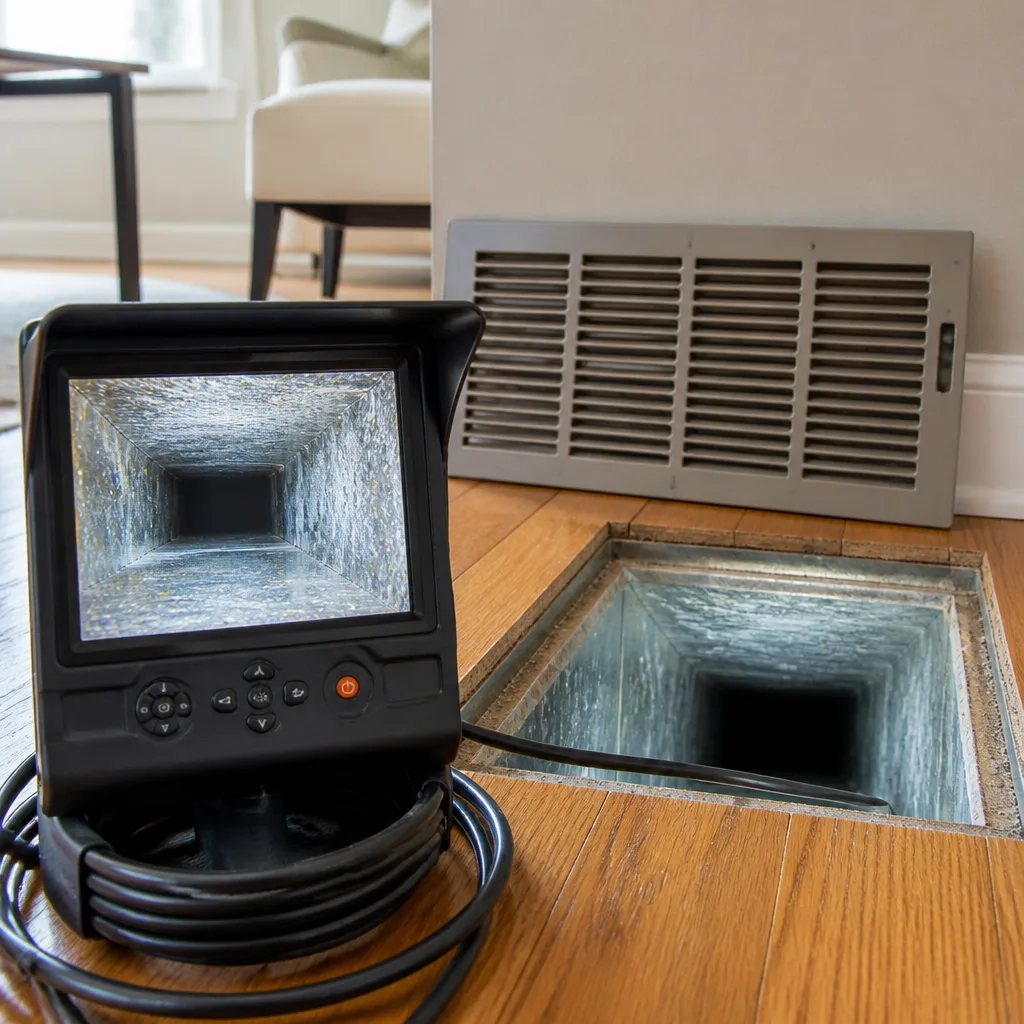 Camera inspection
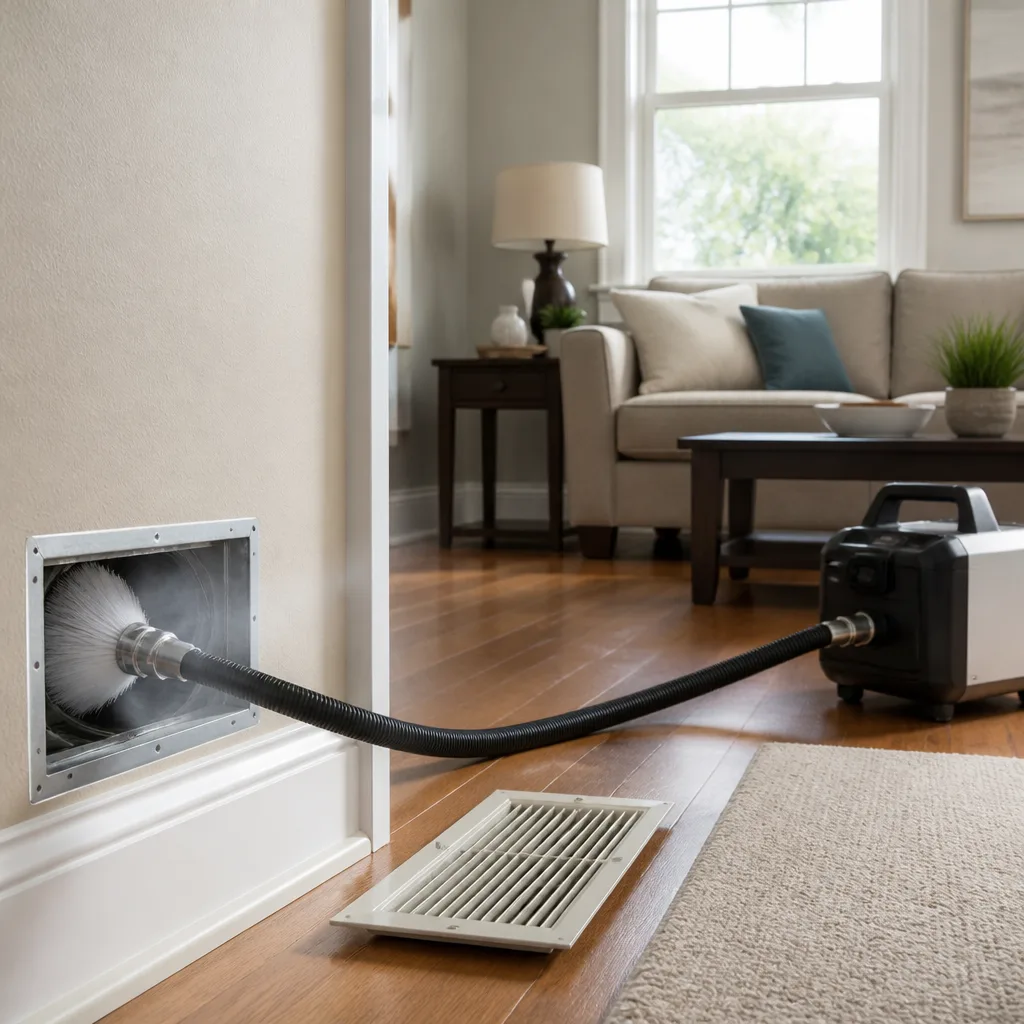 Sanitizing & deodorizing
Whole-system duct and dryer vent check with before-and-after photos - you see exactly what came out of your vents
That "$99 whole-house special" is a bait ad - the real number appears once they are in your hallway, or the "clean" is a shop-vac at the register. We photograph the inside of your ducts before and after instead.
Air Duct Cleaning Warning Signs: A Spring Valley Homeowner’s Reference Guide
By the time you can see dust streaming from a supply register, the duct lining has likely been shedding debris into your living space for two or three HVAC cycles. The visible sign is the confirmation, not the alert. That’s the part most homeowners have backward, and it costs them time. Long before dust plumes and musty smells show up, your system has usually been telling you something for weeks or months in quieter ways: a bill that creeps up without a change in how you live, a room that runs a few degrees cooler than the rest, a filter that loads faster than it used to. This guide works backward from the obvious symptoms to the early signals so Spring Valley homeowners can act on the subtle ones first.
Quick Answer
The earliest warning signs of duct problems in Spring Valley are usually financial and thermal before they’re visible: rising utility bills with no usage change, uneven room temperatures, and furnace or return filters that load up faster than normal. Mid-stage signs include odor at first startup after dormancy, discoloration at register edges, and allergy symptoms that track with HVAC operation. Visible mold at registers, pest evidence at returns, or audible airflow restriction are urgent and usually mean cleaning alone won’t fix the problem. If you catch the early tier, you buy yourself options.
Styles & brands we work with
- Whole-home duct cleaning
- Dryer vent cleaning
- Camera inspection
- Sanitizing & deodorizing
Table of Contents
- Tier 1: Early Warning Signs You Can Detect Before Air Quality Drops
- Tier 2: Mid-Stage Signs That Confirm a Real Problem
- Tier 3: Urgent Signs That Need More Than Cleaning
- How Spring Valley’s Desert Climate and Dust Events Affect Your Ducts
- Negative Pressure and Duct Leakage: The Hidden Culprit
- How to Document Warning Signs Before a Technician Arrives
- Why Two Duct Cleaning Quotes for the Same House Can Look So Different
- Maintenance Signals: Knowing When It’s Time Again
Tier 1: Early Warning Signs You Can Detect Before Air Quality Drops
The early tier is quiet. Nothing looks wrong yet, which is exactly why most Spring Valley homeowners skip it. These are the signals you have to look for on purpose, and they’re the ones that give you the most lead time.
Rising utility bills with no change in usage. Compare the same month year over year, not month over month. Seasonal swings muddy the picture, but a bill that climbs steadily while your habits stay the same usually means the air-handler is working harder than it should. Restricted or leaky ducts force the blower to move more air to compensate. That effort shows up as cost before it shows up as discomfort.
Uneven room temperatures. Every house has a warm room. The early sign is when that room gets warmer, or when a new room joins the uneven list. Duct leakage and internal debris both disrupt how air distributes through the system. A bedroom that used to be comfortable in summer and now isn’t is telling you the balance has shifted.
Increased filter loading frequency. If you’ve changed the filter on the same schedule for years and suddenly you’re doing it more often, write down the date. A filter that loads up faster is catching more particulate, which means more particulate is reaching the return. In a desert valley, dust events and daily windblown grit make this the most reliable early indicator we see.
- Audible rattling at startup. A brief vibration as the blower spins up can signal loosened lining or a partially detached section.
- Weak airflow at the farthest register. The last vent on the run loses pressure first when the system has obstructions.
- Static cling on lightweight curtains. Dry desert air plus excess particulate makes this more noticeable in Spring Valley homes than homeowners expect.
- A faint whistle at high fan speed. This often means turbulence at a partial restriction or a leaking joint.
Keep a simple log. When a bill jumps, when a room drifts, when you change a filter. Hand that log to a technician and you’ve compressed the diagnostic window by quite a bit before anyone lifts a tool.
Tier 2: Mid-Stage Signs That Confirm a Real Problem
Once the early signals have been present for a while, the mid-stage signs appear. This tier is where the problem stops being theoretical. The good news: at this stage, professional cleaning plus repair still resolves most cases.
Odor at first startup after dormancy. A musty or stale smell that hits the first time the system runs after weeks of non-use, then fades, points to moisture and biological activity somewhere in the duct run. It’s more noticeable in Spring Valley after the swing seasons when the system sits idle for stretches. If the odor persists past the first few minutes of operation, the source isn’t just settled air; it’s material.
Discoloration at register edges, not just surface dust. Dust sits on top of the grille and wipes away. Discoloration is the grille itself changing color, or a darker band forming where the register meets the drywall or trim. That pattern usually means air is wicking moisture past the register frame or that the register is pulling air from a contaminated cavity. Look closely at the return grilles, especially ceiling returns, where dust settles onto the frame from above.
Allergy or respiratory symptoms that track with HVAC operation. The key word is correlation. If symptoms ease when the system is off for the day and return shortly after the system runs, that’s the pattern to write down. We don’t make health claims; we simply note that this timing pattern motivates a lot of Spring Valley homeowners to get the system inspected.
Cotton-wool streaks on visible interior duct surfaces. At a register box or at the return plenum, interior surfaces are often visible when the grille is removed. Thin, fibrous streaks indicate lint and debris accumulating at the duct lining. They’re a preview of what the rest of the run looks like.
Document each item with a photo and a timestamp. Note that when a friend or neighbor describes their system as “fine,” they haven’t opened a register. You have.
Tier 3: Urgent Signs That Need More Than Cleaning
This tier is where a cleaning-only company hits its limit. Every sign below is a condition that won’t resolve on equipment alone. It needs a technician who can diagnose the cause and repair it, and that’s the difference between a job done and a job delayed.
Visible mold growth at registers or at the air handler. Look for patchy black, green, or gray growth with a fuzzy or powdery texture. Mold requires moisture, so growth in a desert-climate home almost always points to a leak source upstream. Cleaning the visible growth without finding the moisture is a temporary fix.
Pest evidence at returns. Rodent droppings, insulation packed into a duct run, or a torn return boot. Contaminants from pest activity require remediation-grade HEPA capture, not a shop vacuum. This is exactly the situation where professional equipment like an Abatement Technologies HEPA unit deployed at the work zone matters.
Audible airflow restriction at a specific register. A register that whistles loudly or that produces almost no airflow while others are strong typically has a collapsed duct section, a crushed flex run, or a disconnected joint behind the drywall. Cleaning can’t fix a duct that no longer connects. Air duct repair can.
Biological growth visible inside the air handler cabinet or on the evaporator coil. This signals the coil and drain pan are involved, not just the ducts. Have it inspected by a licensed HVAC technician; the ducts are a symptom.
- Visual mold at registers or returns in more than one room
- Pest droppings or nesting material in a return or air handler
- A complete loss of airflow to a single register while others work
- Water staining on ductwork or near a register
- A persistent organic odor that doesn’t fade after the system runs
If you check any box above, book an inspection that includes repair capability, not a cleaning-only visit. When we find damage, we fix it in the same service window rather than deferring it to a second contractor.
How Spring Valley’s Desert Climate and Dust Events Affect Your Ducts
The desert valley environment around Spring Valley creates a pressure cycle that many homeowners don’t connect to their indoor air. Spring Valley sits in the Las Vegas Valley, and the surrounding desert produces regular windblown dust events. Those events don’t just coat the outside of the house. They push fine particulate into every gap in the building envelope, and on the return side of the HVAC system, they can enter through attic and garage penetrations that aren’t sealed.
Between dust events, the valley’s normal wind and dry air also leave a fine layer of material on everything. A filter catches much of it, but the filter doesn’t catch what bypasses the filter through a return leak. Duct leakage in a Spring Valley home is a bigger contributor to indoor particulate than most residents assume.
Seasonal swings stress the ducts. The valley moves between cooling in summer and heating in winter, which means the system changes how much air it moves and how hard the ducts work. Ductwork that’s never inspected collects debris through every season; the debris doesn’t retire just because the thermostat flips.
The signs right after a major dust event. If you notice discoloration at register edges, a blown-in layer on the return grille, or a sudden jump in filter loading right after a windstorm or regional dust event, treat those as early indicators, not normal. The same is true if you smell dust the first time the system runs after the house has been shut up during a dust day.
Spring Valley is home to a wide mix of housing vintages, and the household change we see most often isn’t structure. It’s occupancy. When a home adds a pet or a remodel happens in the same space as the return, particulate load changes overnight. The ductwork doesn’t adapt; you have to know what to look for. If a local technician can speak to the valley’s specific dust and airflow conditions, that’s a sign they’ve worked in Spring Valley.
Negative Pressure and Duct Leakage: The Hidden Culprit
Negative pressure is the single most-missed cause behind a lot of dusty-home complaints in Spring Valley. When ductwork leaks on the return side, the air handler pulls household air from wherever the pressure is lowest. That’s the attic, a garage ceiling, an unconditioned wall cavity, or a crawlspace. Air from those zones enters the living space fully unfiltered and often carries insulation fibers and fine dust.
The result: you’re paying to condition and filter air that’s bypassing the filter entirely. You’ll notice the effect before the cause. Symptoms that point to negative pressure:
- Dust reappears on furniture within a day or two of a thorough cleaning
- Attic or garage smells reach the living room, especially when the system runs
- Doors in some rooms resist closing or spring slightly when the system starts
- A gap at a return boot or a disconnected return joint on a visible run
Picture the setup: an air handler pulls a house full of air through a return chase, and if that return isn’t sealed, it draws air from the attic based on the pressure difference between the living space and the attic. The living space stays hotter or cooler than the thermostat calls for because the system keeps pulling air it doesn’t need. This is where a whole-home air quality perspective matters, not a ducts-only view. That’s why we work with Honeywell and Aprilaire systems as part of the same conversation. Filtration, humidity, and airflow are one problem, and the ductwork is the shared infrastructure.
The fix usually involves sealing return duct joints and correcting any disconnected sections at the air handler or plenum. That’s air duct repair, and it’s a service you should ask about by name when you call around. A technician who can find and fix a return leak during a cleaning visit saves you a second appointment and a second diagnosis.
How to Document Warning Signs Before a Technician Arrives
Homeowners who arrive with photos and notes get more accurate quotes and faster diagnoses. It’s not about being a good customer; it’s about giving the technician a starting point so they’re not spending the first half hour on discovery. Here’s the process we recommend:
- Walk every room with a notebook and a phone. For each register, note whether airflow feels strong, weak, or absent, and snap a photo from arm’s length and one close to the grille surface.
- Photograph the return grilles specifically. Ceiling returns in Spring Valley homes are the most revealing. Photograph them in daylight to see discoloration and any dust ring around the frame.
- Log your filter changes. Write down the date and a one-word condition note for the last four filter changes. A filter that went from light gray to fully loaded in two months tells the technician something.
- Record a short video with the system running. Ten seconds of a whistling register, a rattling startup, or a faint chuff at a return is worth more than any description. Include the noise clearly.
- Jot down odor and symptom timing. “Musty smell for the first ten minutes after the system wakes up” or “symptoms ease when the system is off” tells the technician more than “smells weird” or “not feeling well.”
- Note the date of any major dust event or recent remodel. A recent construction project, a return grille replaced, or new flooring in a room with a register are all context that changes the diagnosis.
Bring this to the estimate. Any technician worth hiring will read it, look at the photos, and adjust the plan. A technician who ignores the record and quotes before opening a register is quoting from a template, not from your house.
Why Two Duct Cleaning Quotes for the Same House Can Look So Different
The homeowner with a written record understands this faster than most. A low quote is not a discount; it’s a scope difference. The difference between a professional-grade job and a “blow-and-go” visit isn’t a small one, and it usually comes down to equipment and coverage.
Equipment: A rotary brush system like a Rotobrush is designed to agitate and extract debris from lined and metal ductwork, and negative-pressure units like Nikro or HEPA-equipped Abatement Technologies systems hold the debris stream during the job so contaminants are captured rather than pushed into the living space. A shop vacuum does neither. A shop vacuum puts positive pressure into the duct; it lifts dust into the room.
Coverage: A proper cleaning covers every branch, every register, and the air handler’s accessible surfaces. Some quotes only cover main trunk lines and skip the branch runs. That’s why the price looks low; you’re paying for a partial job.
Diagnosis: Some operators clean without inspecting. That means damage found mid-job is deferred, and it’s how a small repair becomes a bigger one a year later. We walk the system first, clean what we find, and if a repair is needed, we schedule it into the same service window.
Protection: Post-cleaning treatments with Guardsman add a layer that most low-bid visits leave out. You’re not required to take it, but it’s a real scope difference between quotes.
Proof: Before-and-after photos of your own system should be standard, not an upsell. Ask for them by name. A company unwilling to document its own work is telling you something.
One flat price per system, agreed before work starts, in writing. That’s the only quote format that lets you compare apples to apples.
Maintenance Signals: Knowing When It’s Time Again
Duct cleaning isn’t a once-and-done job in a desert valley. Between the regular dust events and the seasonal system switches, the debris load rebuilds. The question isn’t whether you’ll need it again. It’s what signs to watch for.
- Return to your baseline. If the signs that prompted your first cleaning start showing up again, that’s your cue. Look for the same early signals you tracked the first time.
- Move-out or move-in on a Spring Valley property. A new occupant, a new pet, or a change in the household changes the load. Cleaning before move-in is the easiest slate to start on.
- After a remodel or major dust event. Construction dust and a major windblown event both send particulate into the returns. If either happened in the last year, check the filter loading pattern.
- New air-quality equipment installed or serviced. When the filtration or humidity side of the system changes, the ducts should be checked at the same time so the new equipment isn’t starting from a loaded baseline.
There’s a practical timing rule. If you’ve had a professional cleaning recently and the early signs return within a few months, the problem may be duct leakage rather than new debris, and a repair inspection is the right next step rather than another cleaning pass. Getting that call right is the difference between solving the problem and repeating the service.
For the full picture of what a proper visit looks like, see our air duct cleaning page, which lays out the process from inspection to before-and-after photos. If one of your early signs is dryer lint or a slow-drying load, that’s a separate system, and it’s covered under dryer vent cleaning. And if you’re comparing local companies before you book, a quick read of what Highpoint Duct Cleaning does differently can help you ask better questions.
Common Mistakes to Avoid
- Waiting for visible dust before acting. Visible dust is a confirmation, not an alert. By the time it streams from a register, you’ve likely had weeks of quieter signals you could have acted on.
- Trusting a quote given without opening a register. A technician who quotes from the doorway is quoting from a template. Ask for the register to be opened and the return inspected.
- Mistaking an air filter change for a duct cleaning. A new filter catches new dust. It doesn’t remove what’s already attached to duct walls or fix a returning leak.
- Cleaning without checking for duct leakage. In Spring Valley’s dry, dusty environment, pull from the attic or garage often undoes a cleaning in a few months. Ask whether the visit includes inspection of return joints and accessible connections.
- Skipping the documentation. Homeowners who arrive with photos and filter logs get more accurate quotes and often a faster appointment. Skipping the record means starting from zero.
- Assuming a cleaning solves a mold or pest problem. Mold needs a moisture source found and controlled; pest evidence needs remediation-grade capture. Cleaning alone won’t resolve either, and a cleaning-only visit to a remediation problem wastes your money.
- Comparing quotes on price alone. Equipment, coverage, and proof are scope items, not extras. A quote that doesn’t name them is a partial answer.
See the difference
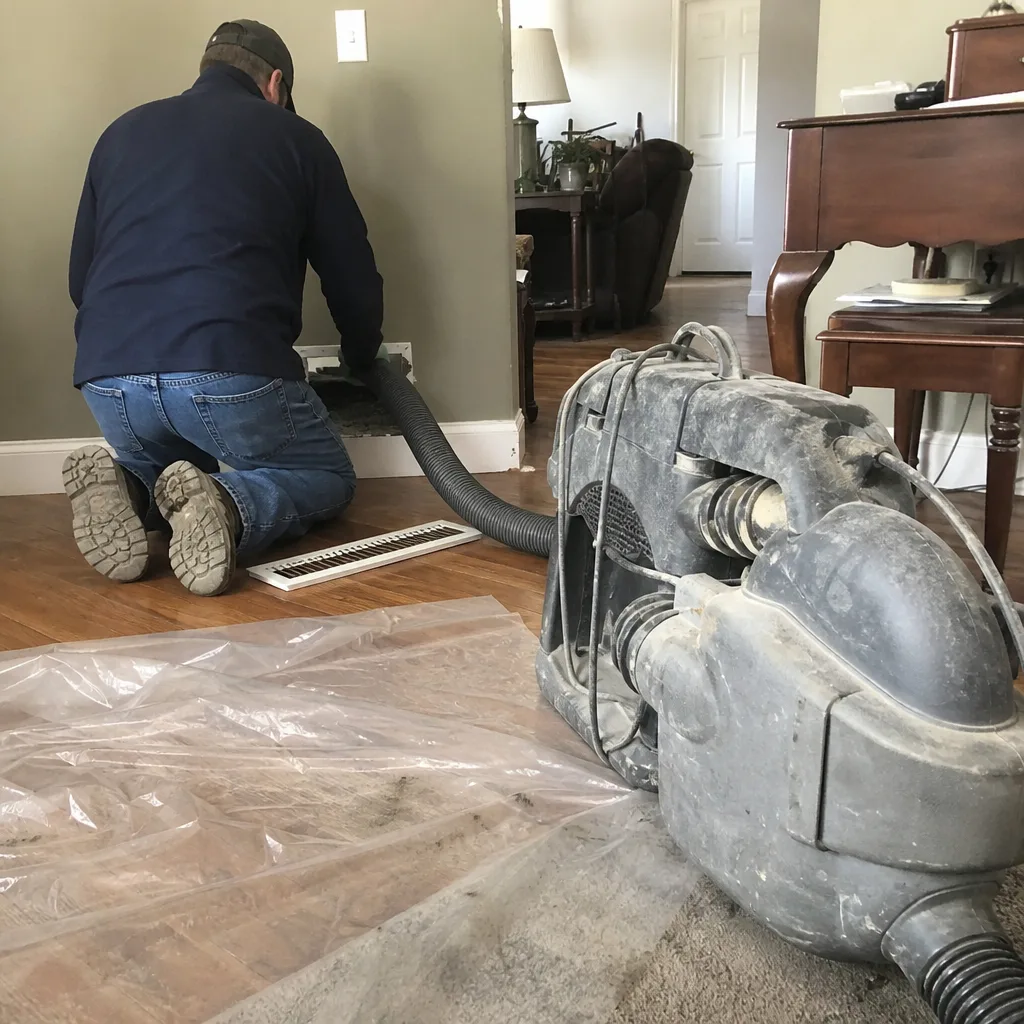 Before
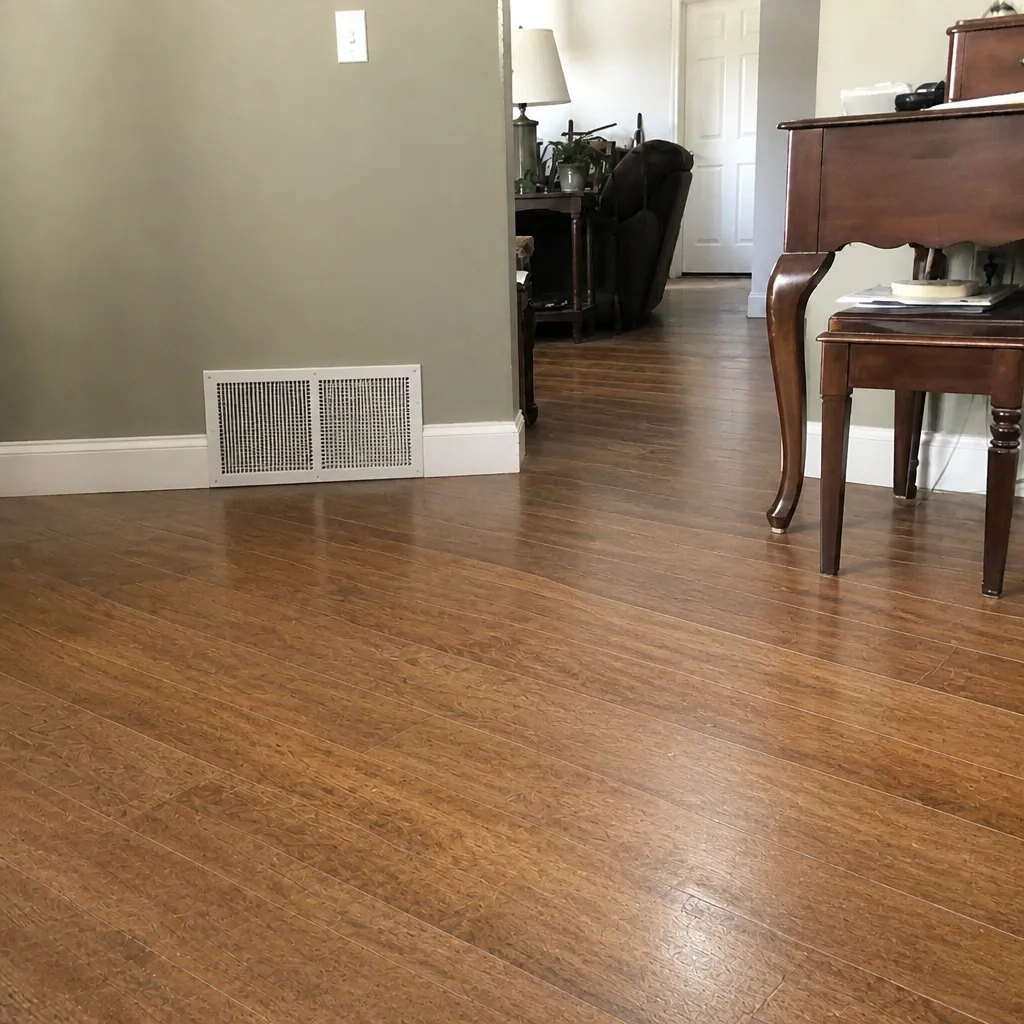 After
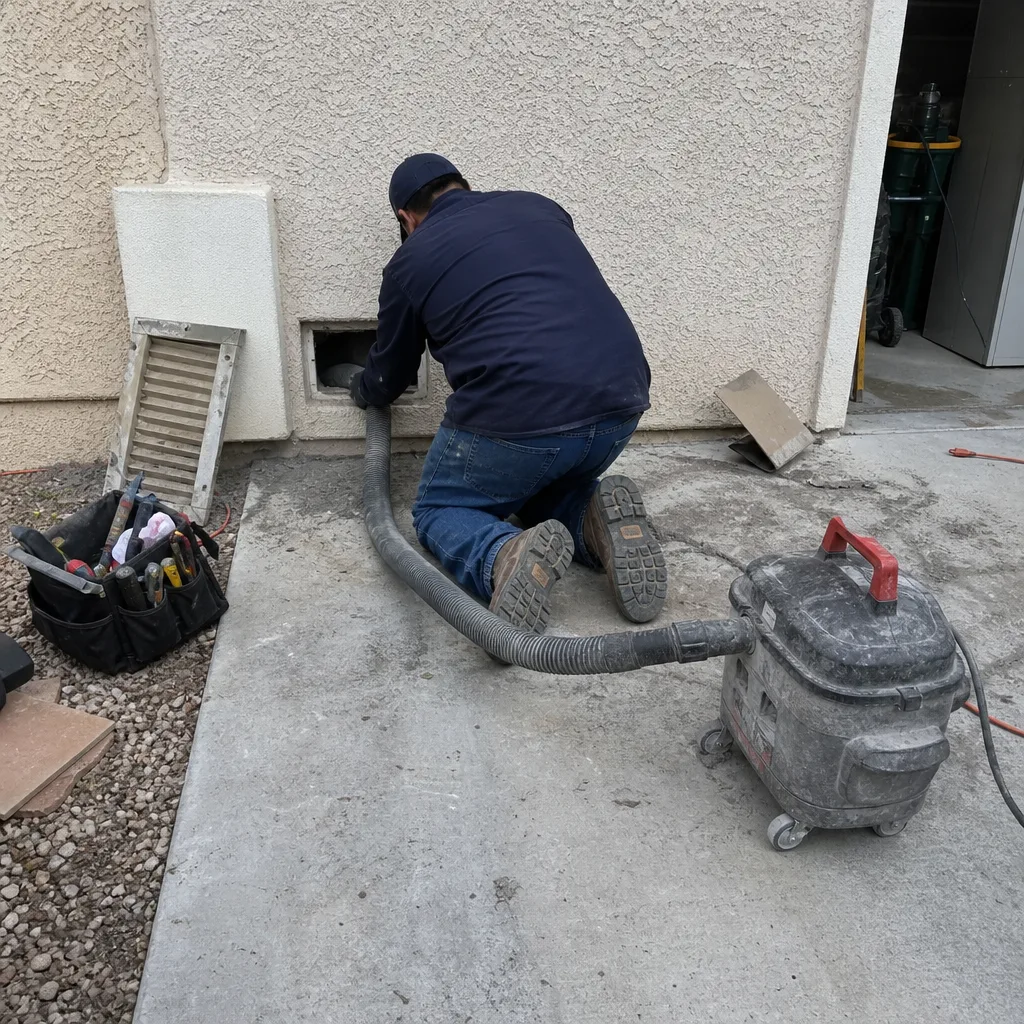 Before
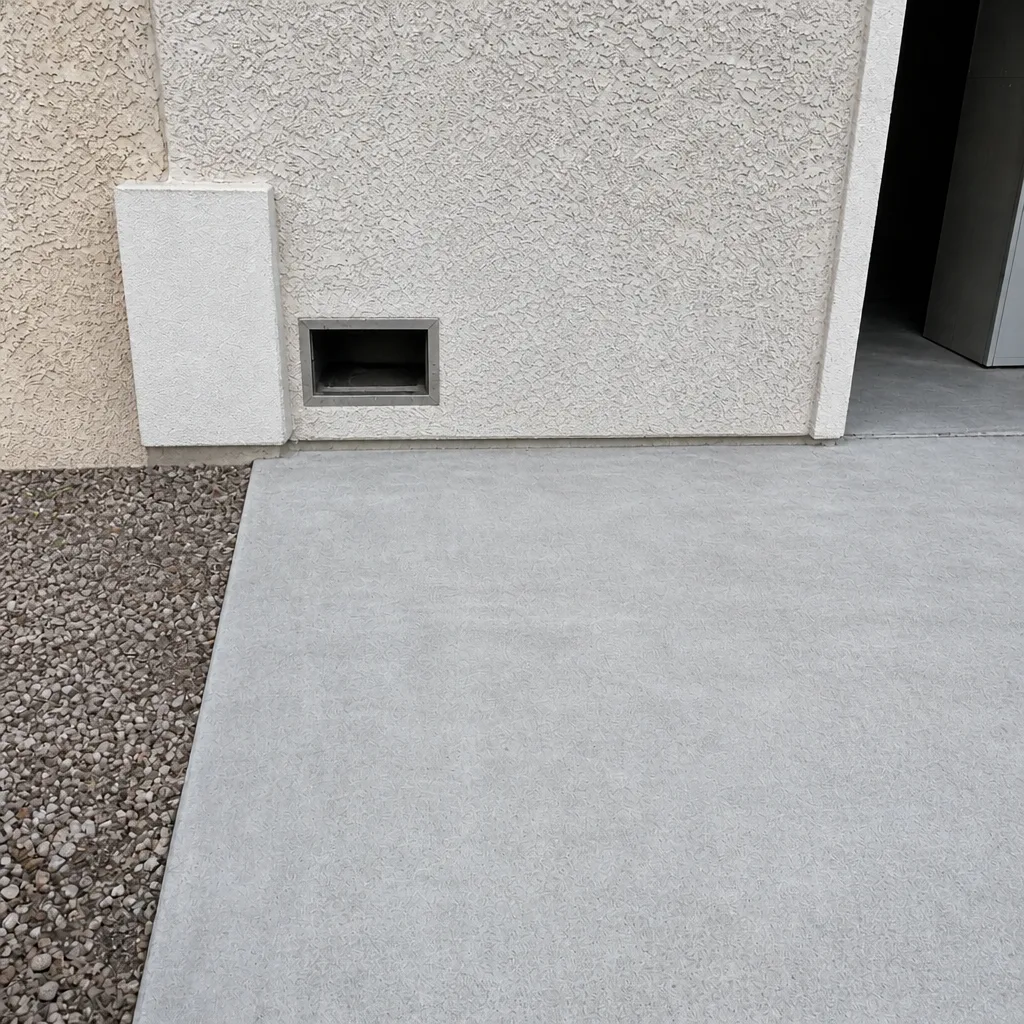 After
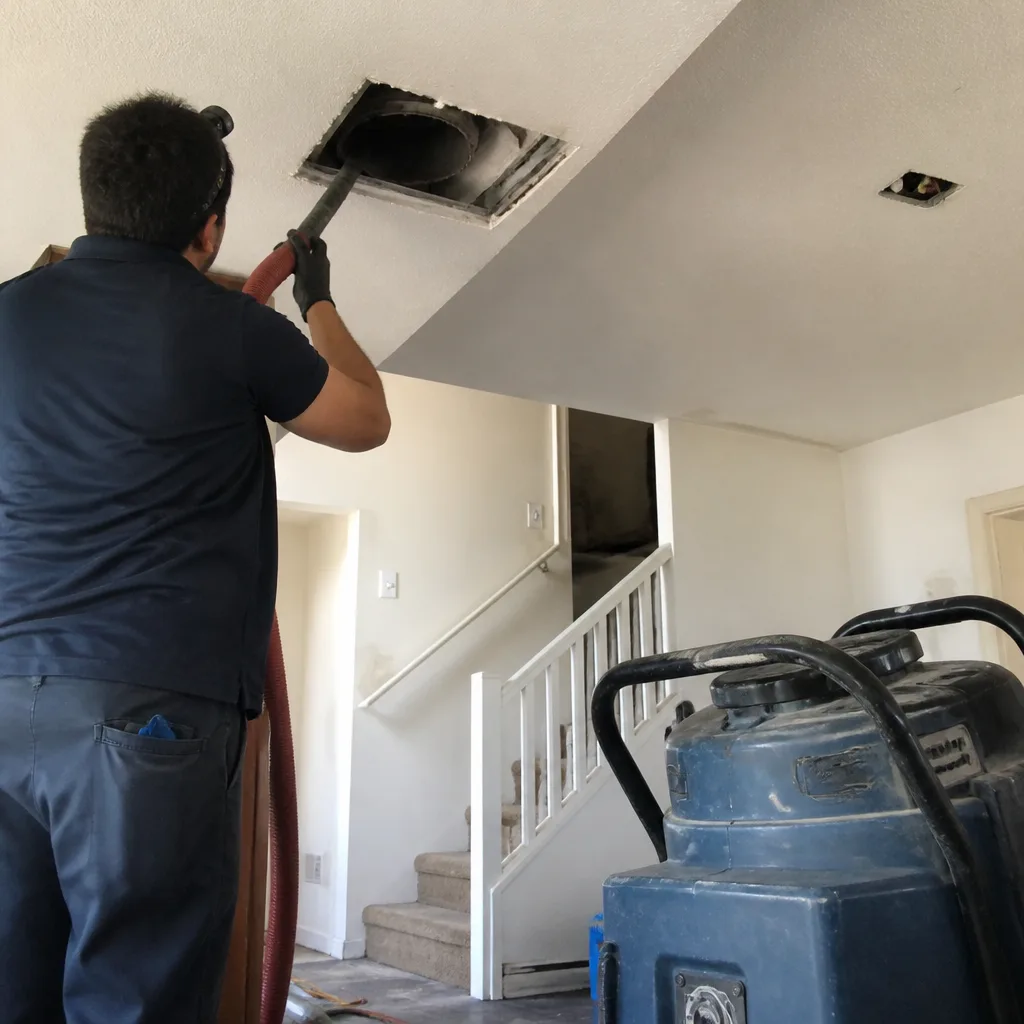 Before
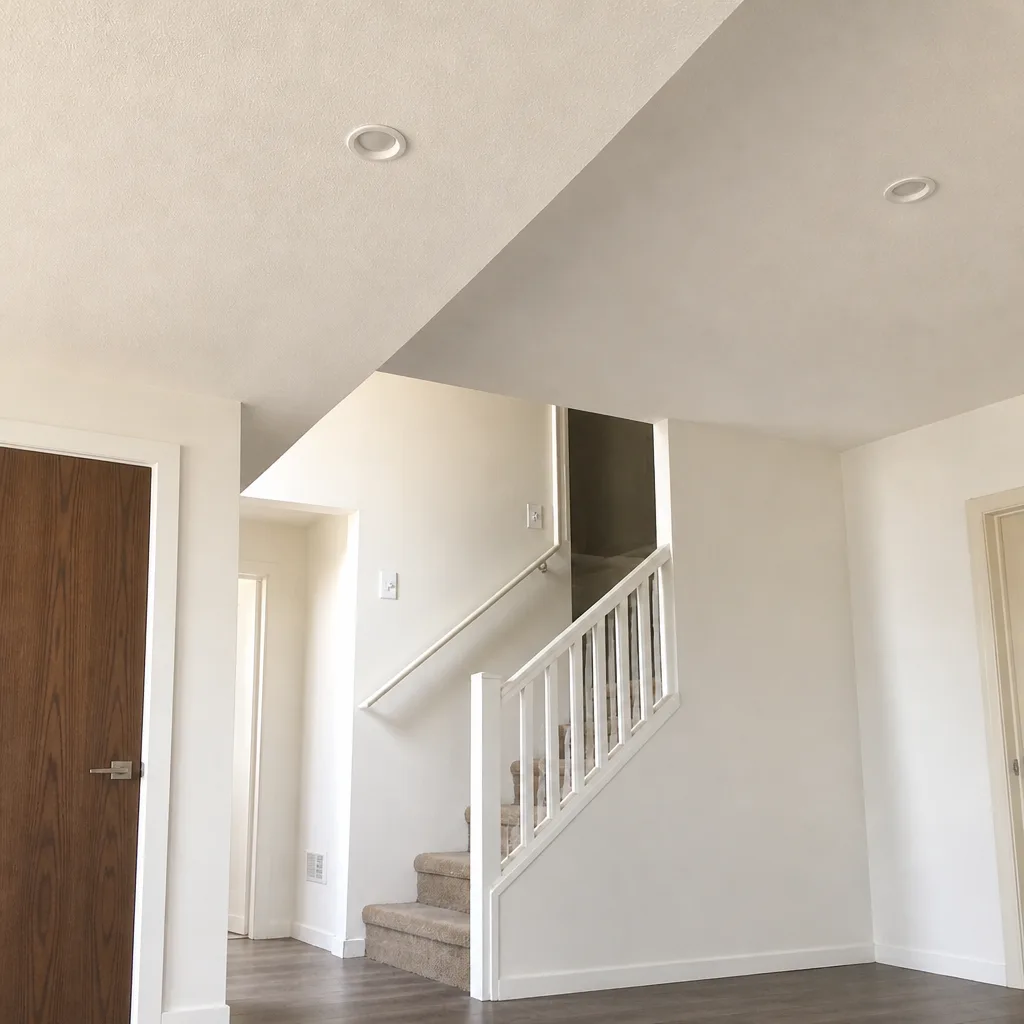 After
When to Call a Professional
Call a professional when you’re seeing any Tier 2 or Tier 3 signal, and even if you’re only seeing Tier 1 signals, an inspection now can save you a repair later. If you’ve caught the early tier, ask for an inspection that includes duct leakage check and a repair option. If you’re seeing visible mold at a register, pest evidence at a return, or an audible restriction at a single register, book an inspection rather than a cleaning-only visit. If you’re a property manager for multiple units in Spring Valley, a scheduled inspection per unit is a much easier conversation than an emergency call later. Highpoint Duct Cleaning offers free estimates in Spring Valley, and the visit includes a written quote before any work starts. Call (866) 724-9559. We answer 24/7. Fast dispatch from 7am to 7pm, Sunday through Friday.
Frequently Asked Questions
The earliest sign is usually a filter that loads up faster than it used to on the same schedule, followed by a utility bill that creeps up without a change in household habits. Both happen before anything visible appears at a register. We answer 24/7 if you want to talk through whether the pattern matches a duct issue or a filter or thermostat setting. Call (866) 724-9559.
Costs vary by the size and condition of the system, and the two things that change the number most are the number of branches and whether repair is needed. Rather than quote a figure for a house we haven’t seen, we set the price per job and confirm it in writing before work starts, with no per-vent pricing and no teaser coupon. Call (866) 724-9559 for an exact quote; estimates are free.
A low quote usually reflects a smaller scope: main trunk lines only, no branch runs, no inspection, equipment that doesn’t capture what it lifts. Our pricing is based on a scope that includes Rotobrush and Nikro equipment and, where needed, repair capability. Call (866) 724-9559 and we’ll walk you through what’s included.
Ask for before-and-after photos of your own duct system. Photos are the only proof a homeowner can verify without following the technician through the house. Ask for the photos by name before you book the visit, and let that be a filter for who you hire. Call (866) 724-9559 to book a visit with documented before-and-after photos.
There’s no single interval that fits every home, since the desert dust events and seasonal system switches change the load from house to house. The right answer is event-driven: after a major dust event, after a remodel, after a change in occupancy, or when the early tier of warning signs returns. Call (866) 724-9559 to talk through a sensible schedule for your house.
No. Cleaning removes surface growth but doesn’t address the moisture source that allowed it to form, and mold in a desert-climate home generally means a leak or condensation problem upstream. A technician who finds mold at a register should help you locate the source before the cleaning is repeated. Call (866) 724-9559 and we’ll help you plan the right inspection.
The Bottom Line
The warning signs you’ve probably read about, dust at the vents and musty smells, are the last things to show up, not the first. The early signs are quieter: filter loading, a bill that drifts, a room that runs a little off. In Spring Valley’s dusty valley, duct leakage pull and seasonal swings mean those early signs deserve to be tracked, not dismissed. Document what you see, take photos before anyone lifts a register, ask for a quote that includes inspection and repair capability, and require photos of the work. If the early tier shows up in your Spring Valley home, the visit that catches it now is cheaper than the visit that fixes it later. Call (866) 724-9559. We answer 24/7. Fast dispatch from 7am to 7pm, Sunday through Friday.
Written by the team at Highpoint Duct Cleaning.