
Last updated November 14, 2026
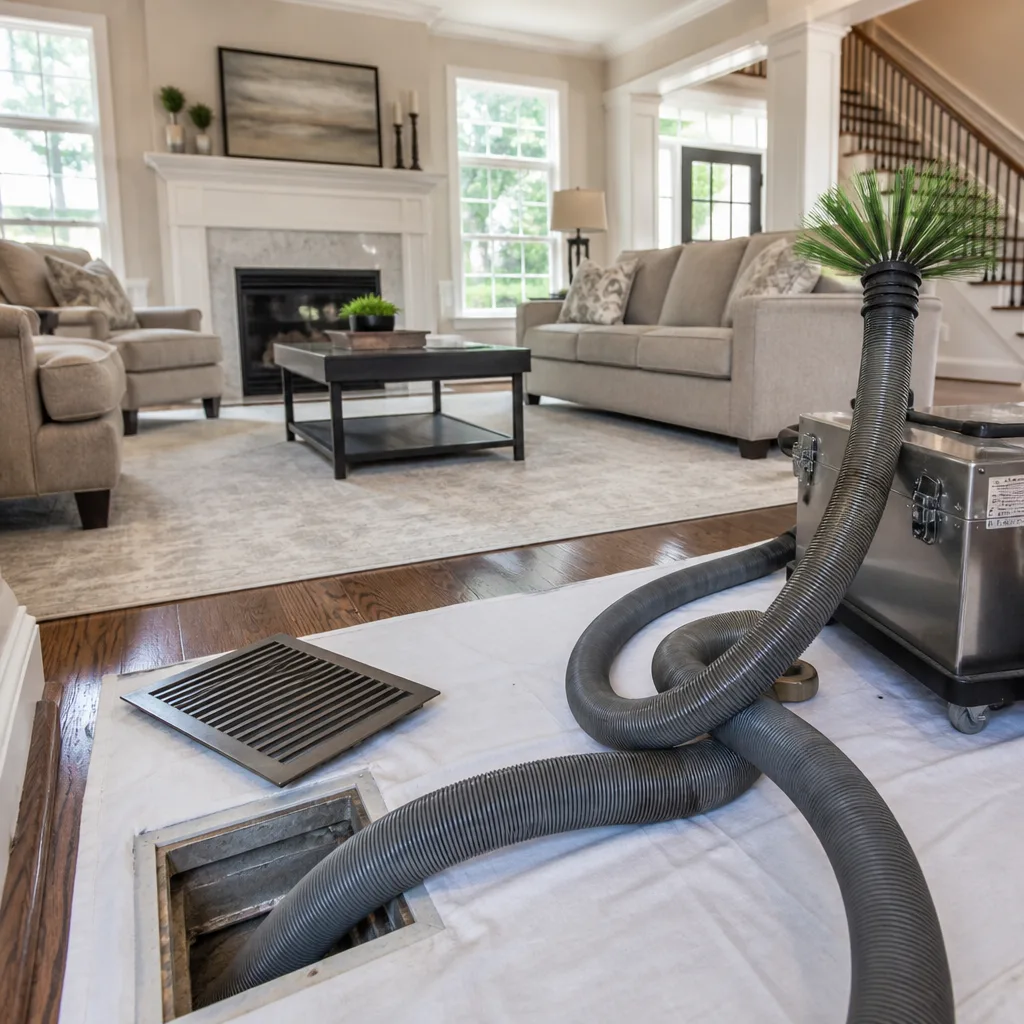 Whole-home duct cleaning
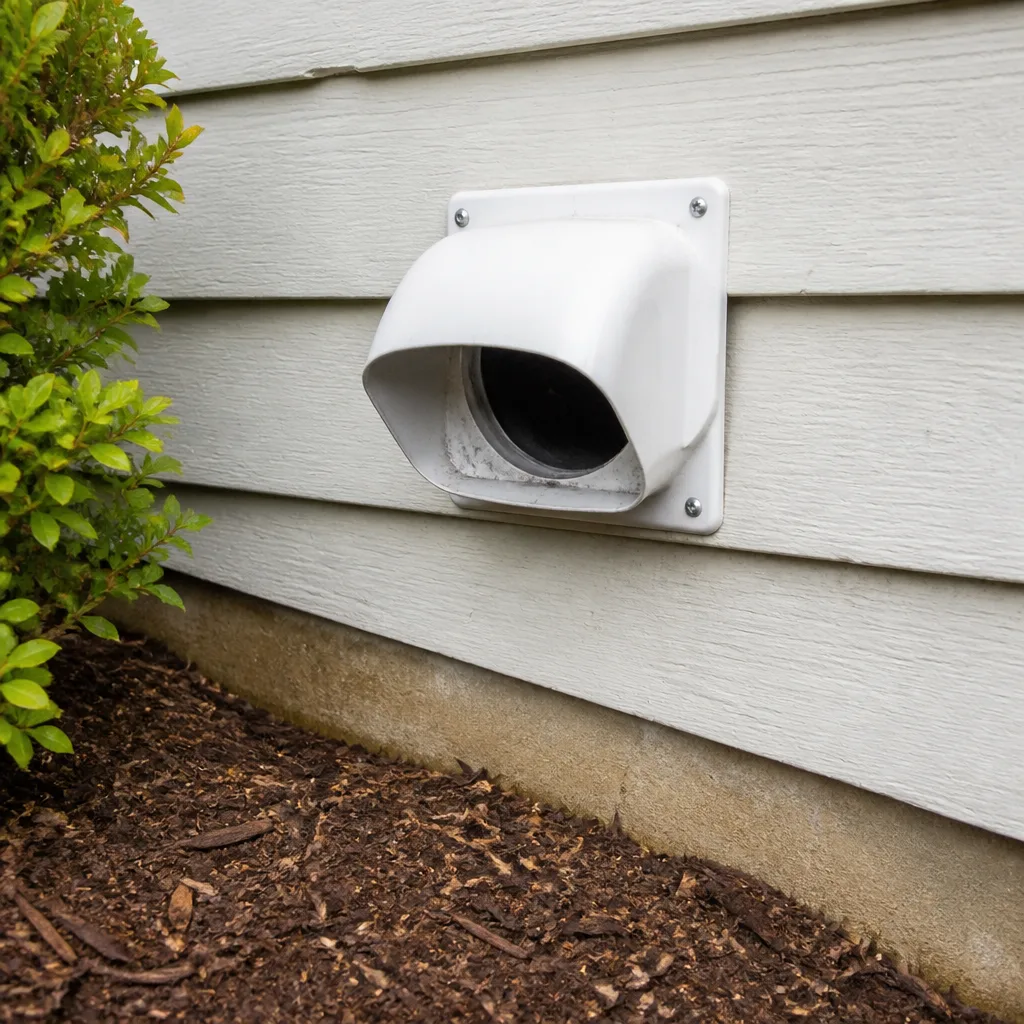 Dryer vent cleaning
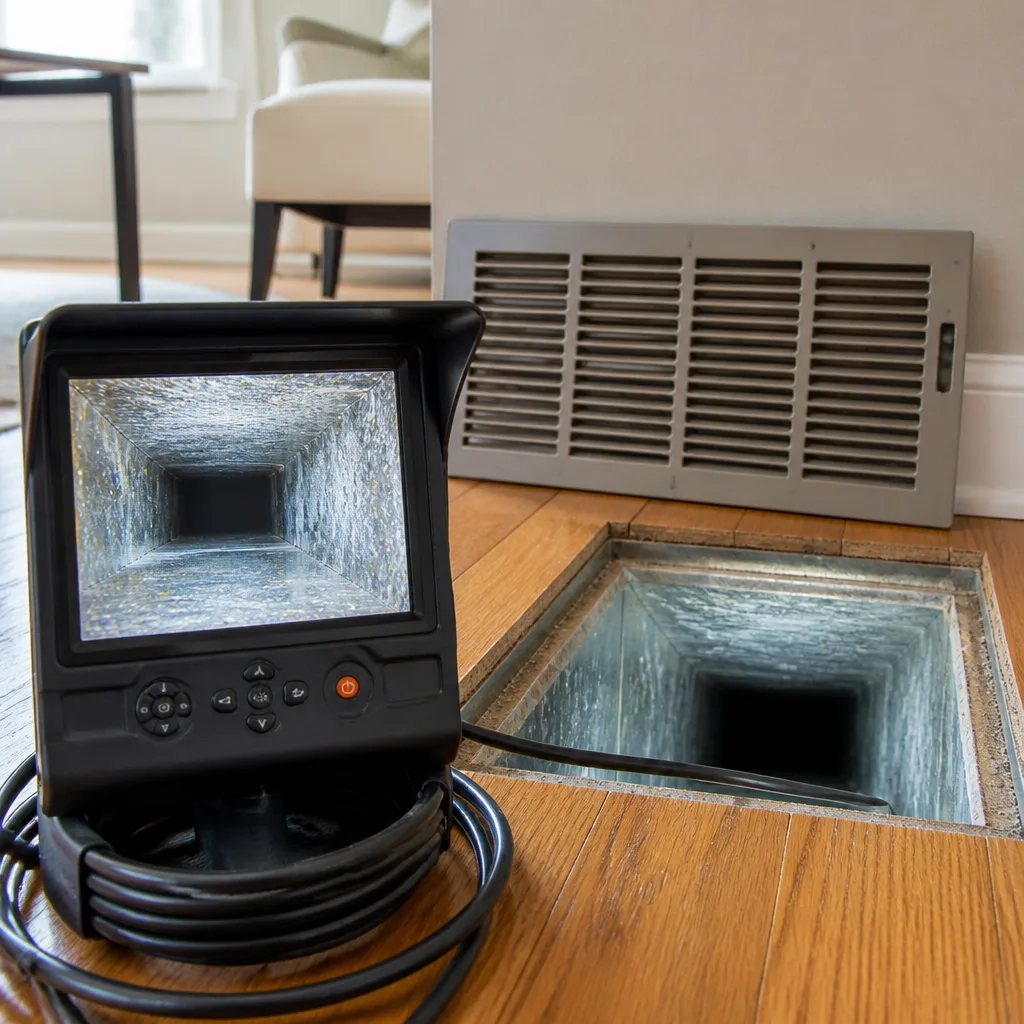 Camera inspection
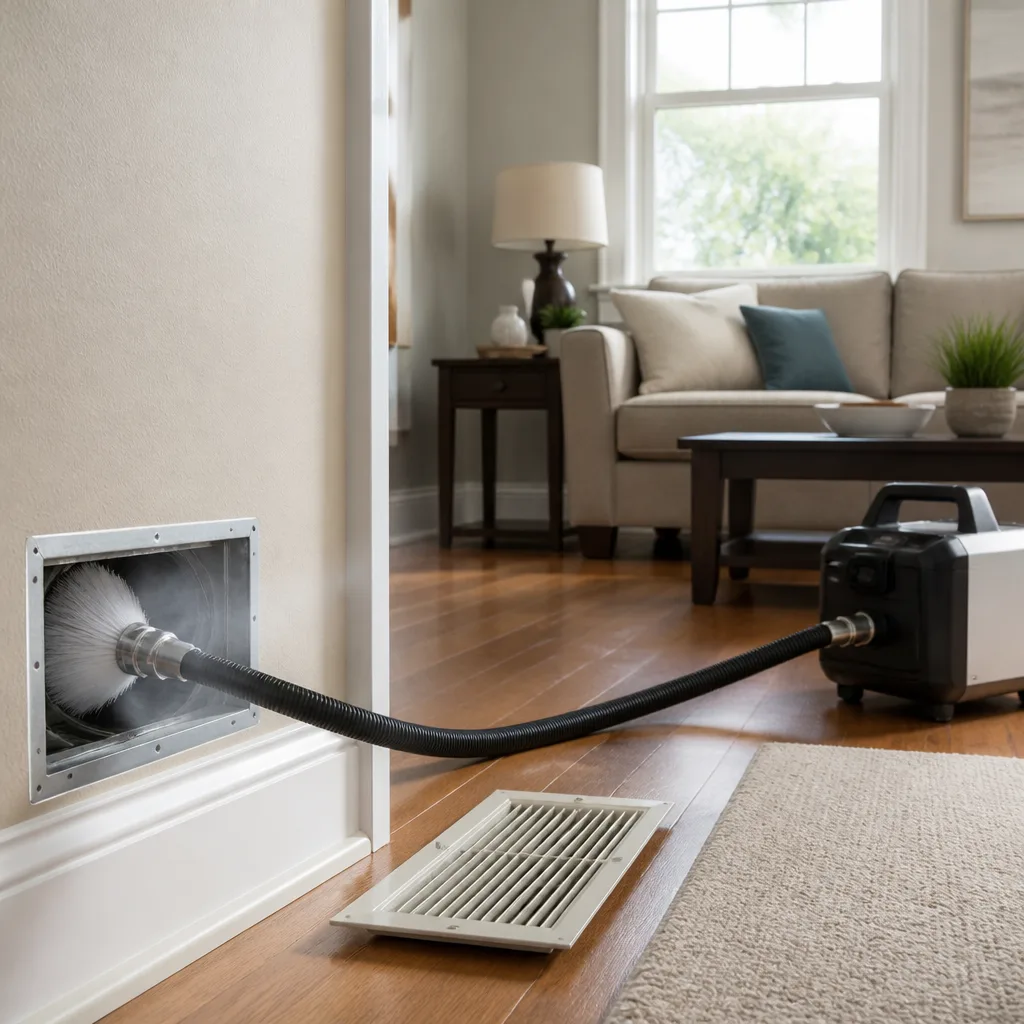 Sanitizing & deodorizing
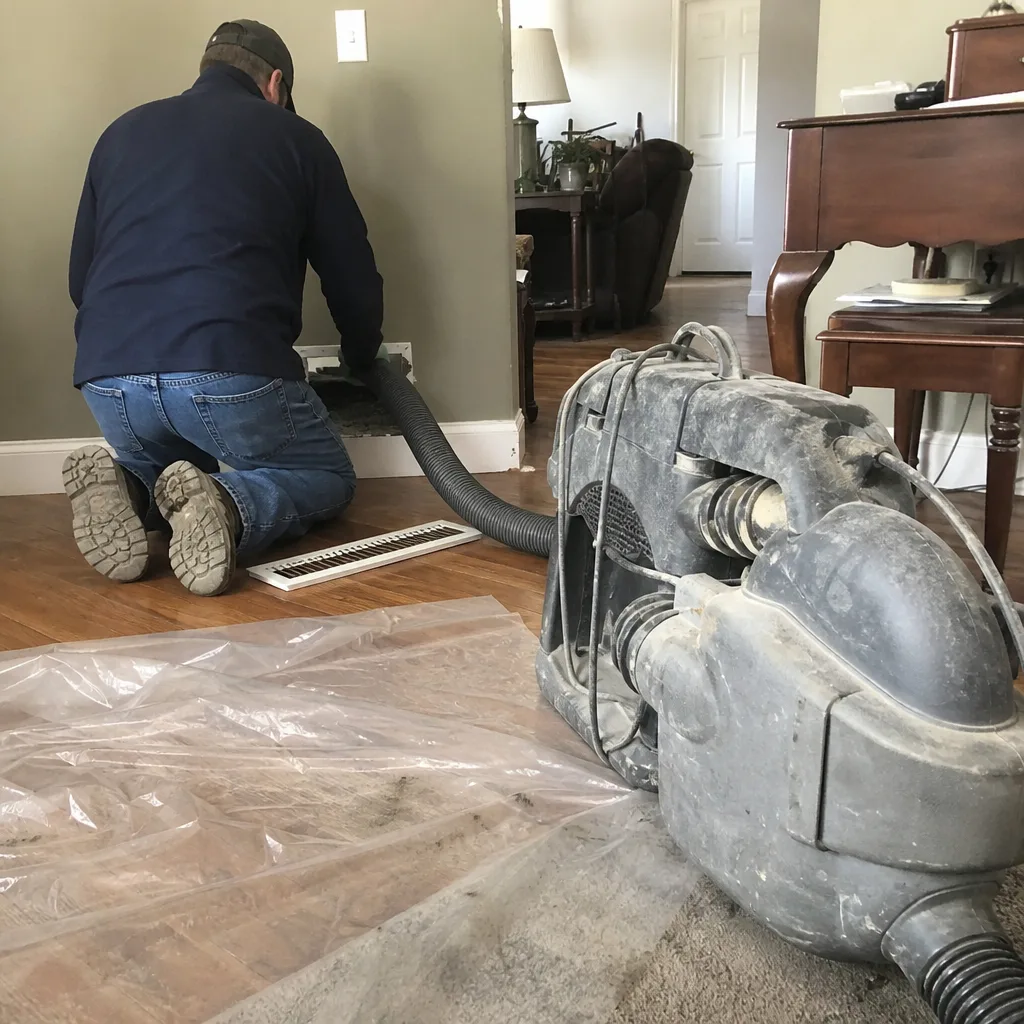
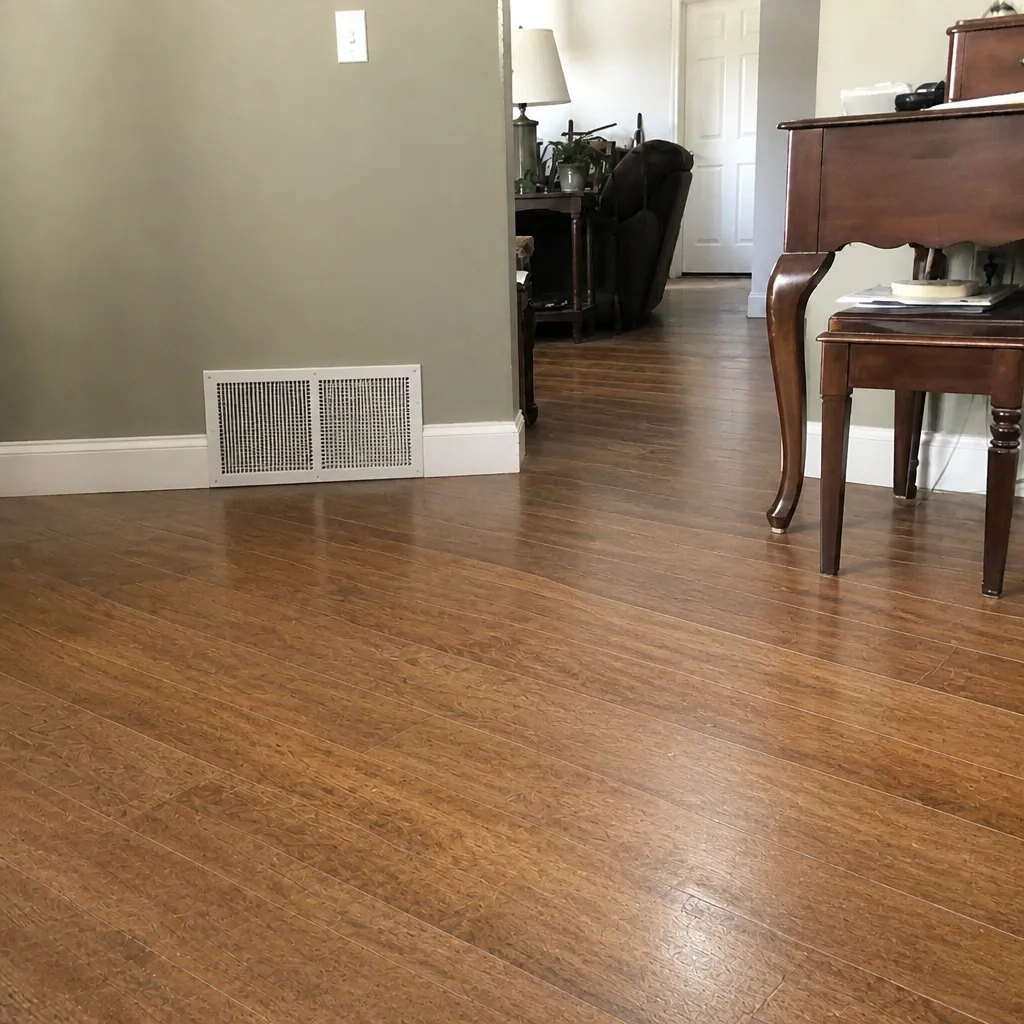
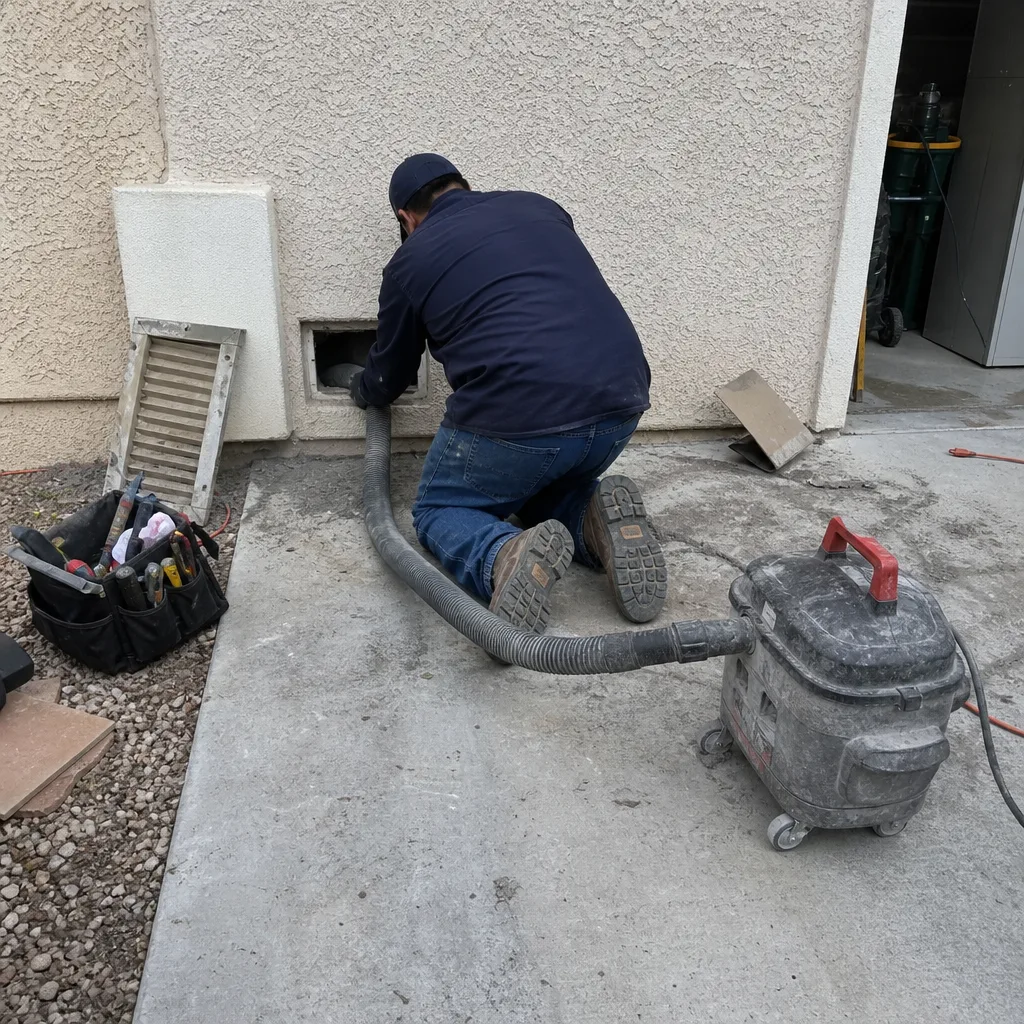
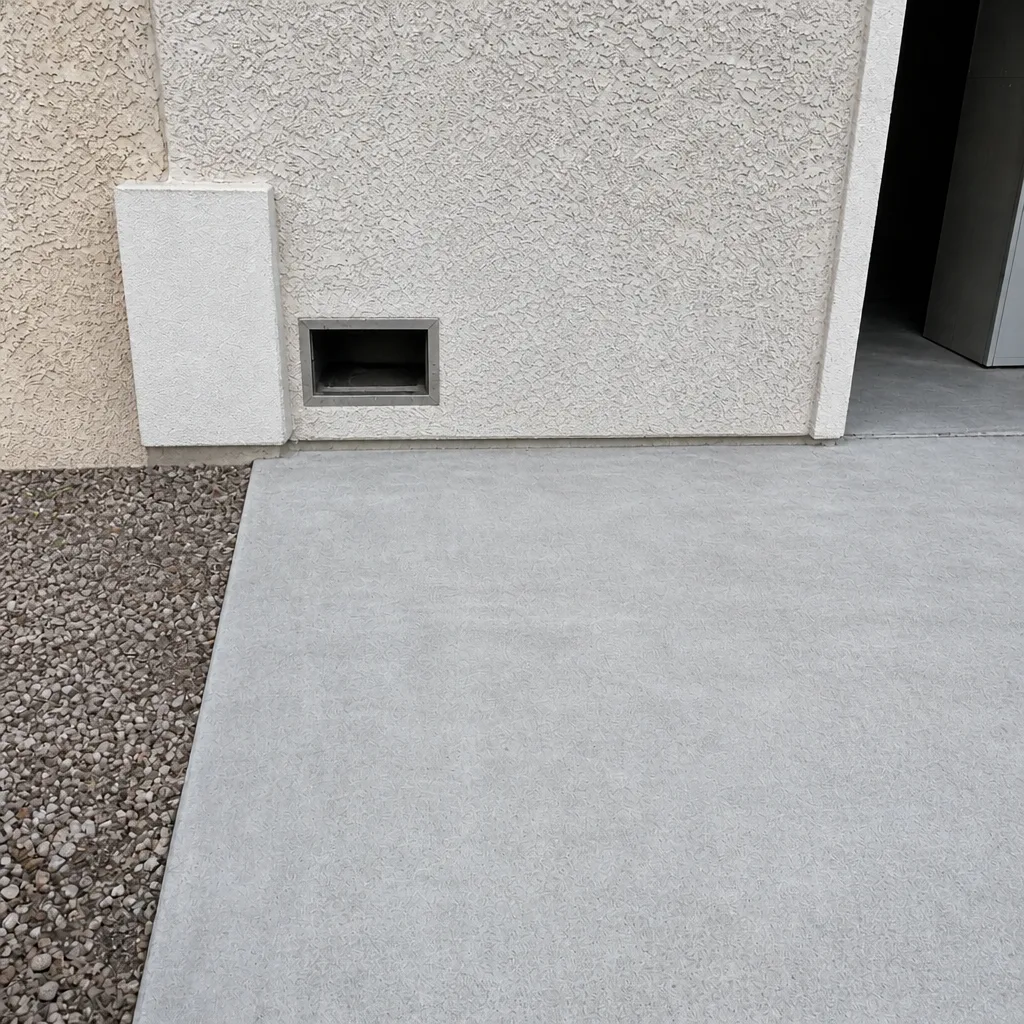
Whole-system duct and dryer vent check with before-and-after photos - you see exactly what came out of your vents
That "$99 whole-house special" is a bait ad - the real number appears once they are in your hallway, or the "clean" is a shop-vac at the register. We photograph the inside of your ducts before and after instead.
Choosing the Right Air Duct Cleaning Brand: A Buyer’s Guide for Spring Valley
Duct cleaning has no barrier to entry in Nevada and no required equipment standard. That means two companies with identical five-star ratings can be running equipment that performs at opposite ends of the effectiveness spectrum. Reviews measure whether a customer felt good about the visit. They don’t measure whether the vacuum pulled enough air, whether the brush actually reached the duct walls, or whether the debris ended up in a HEPA filter or in your living room. This guide gives you a framework for judging a duct cleaning company on operational evidence: the equipment it brings, the standards it follows, and the scope it’s willing to put in writing. We’ll walk through what to ask before you book, how to verify claims, and what a legitimate estimate looks like in Spring Valley.
Quick Answer
The right air duct cleaning brand in Spring Valley is the one that can prove its process with specifics: professional-grade equipment with real negative pressure and HEPA filtration, familiarity with standards like the NADCA ACR, a written scope based on an on-site assessment instead of a phone quote, and the capability to repair ducts it finds damaged rather than just cleaning around the problem. Ask for equipment details and a written scope before you agree to anything. A company that answers those questions clearly is a company you can evaluate on facts.
Styles & brands we work with
- Whole-home duct cleaning
- Dryer vent cleaning
- Camera inspection
- Sanitizing & deodorizing
Table of Contents
- Why Star Ratings Don’t Tell You How a Duct Cleaning Was Done
- The Three Equipment Indicators That Separate Serious Operators
- What the NADCA ACR Standard Requires and How to Verify It
- Scope of Service: Why Repair Capability Changes the Business
- What a Legitimate Estimate Process Looks Like
- Local Specialists vs. National Franchises in the Spring Valley Market
- The Questions to Ask Before You Book
- Common Mistakes to Avoid
Why Star Ratings Don’t Tell You How a Duct Cleaning Was Done
A five-star review tells you the technician was polite, showed up on time, and didn’t leave a mess. Those are worth something. But they don’t tell you whether the equipment had enough suction to move debris out of a long trunk line, whether the technician used an inspection camera before and after, or whether the “cleaning” agitated dust loose without capturing it. Those are the variables that determine whether the job actually did anything.
Think about what a customer can observe during a duct cleaning visit. They can see a technician arrive, haul in equipment, and run it for an hour. They can’t see inside the ducts. They don’t know the CFM rating of the vacuum. They can’t tell whether the rotary brush reached down the full length of every branch. So the review reflects the experience, not the technical outcome, and those can diverge sharply.
This matters more in a market like Spring Valley, where the housing stock is a mix of newer construction and older homes built through different decades of local growth. Duct systems vary widely in material, layout, and condition. A company that treats every house the same way will do a fine-looking job on some houses and a meaningless one on others.
What you can evaluate as a buyer: the equipment list, the standard the company follows, the documentation it provides, and whether it can tell you precisely what it found inside your system. Those are concrete. Start there.
The Three Equipment Indicators That Separate Serious Operators
Equipment is where the gap between professional duct cleaners and low-bid operators shows first. You don’t need to be a ventilation engineer to ask good questions. You need to know three things to check.
1. Vacuum power and negative pressure. Professional duct cleaning depends on maintaining negative pressure inside the system so loosened debris moves toward the vacuum instead of into your rooms. Ask what vacuum equipment the company uses and whether it’s sized for whole-house systems. Purpose-built equipment like Nikro units is designed for this; a shop vac is not. The difference isn’t marketing, it’s airflow and containment.
2. Truck-mount or high-powered portable, and what filtration is on it. Some professional setups use truck-mounted vacuum units; others use high-powered portables paired with HEPA filtration rated for contaminant capture. What matters is that the exhaust air is filtered to a professional standard, not just screened. Abatement Technologies HEPA equipment, for example, is remediation-tier filtration. That’s the level you want carrying air out of your ducts.
3. Inspection camera as standard, not as an upsell. A technician who can show you the inside of your ducts before and after the work is a technician who can prove what happened. Ask whether camera inspection is included in the base service or whether it costs extra. If it’s an add-on, you’ll want to know before booking.
Professional-grade agitation matters too. Rotobrush rotary brush systems are purpose-built to contact and loosen debris from lined and metal ductwork at controlled speed. That’s different from an improvised brush on a flexible rod.
Ask for these details on the phone before you schedule. A serious operation answers directly. A company that gets vague about its equipment is telling you something.
What the NADCA ACR Standard Requires and How to Verify It
The National Air Duct Cleaners Association publishes a standard called the ACR, the Assessment, Cleaning, and Restoration standard for HVAC systems. It’s the reference most professional duct cleaners work from. Familiarity with it is a useful signal, but the standard only means something if the company actually follows it.
In broad terms, the ACR lays out how a duct system should be assessed before cleaning, what cleaning should accomplish, and what restoration involves when the assessment finds damage. It’s a process standard, not a marketing badge. A company that follows it will assess your system first, document what it finds, and only then recommend a scope of work.
How to verify a company’s NADCA certification status:
- Ask the company directly whether it holds NADCA certification and, if so, under what company name it’s listed.
- Go to the NADCA website and search the member or certified company registry yourself. Don’t rely on a logo on a van or a claim on a website.
- Confirm the listed name matches the company you’re booking. Subcontractors and franchise locations sometimes operate under names that differ from the parent listing.
- Ask what standard the technician will follow on your job and request that the written scope reference it.
The point isn’t to turn you into a NADCA auditor. It’s to make sure the certification claim holds up when you check it, because a company that inflates one credential is a company you should scrutinize on everything else.
Scope of Service: Why Repair Capability Changes the Business
Here’s a distinction that doesn’t get talked about enough: a company that only cleans ducts and a company that cleans and repairs them are structurally different businesses. The pure-cleaning operator has one tool in the box. When it finds a disconnected joint, a crushed section of flex duct, or a boot that’s leaking into a wall cavity, its only move is to clean around the damage and leave.
A company with repair capability does something different. It cleans, finds what’s wrong, and fixes it in the same service window. That’s a meaningfully different outcome for you as a homeowner, because damaged ductwork undercuts everything downstream. Leaks and disconnections bleed conditioned air into unconditioned spaces, which means your system runs longer to do the same job. Cleaning a leaking duct system without repairing it is like washing a bucket with a hole in it.
Ask two questions on the phone:
- Do you perform duct repair and sealing as part of your own service, or do you refer it out?
- If you find a disconnected or damaged section during cleaning, what happens next?
The answers tell you what kind of company you’re dealing with. Referral-only operators aren’t dishonest, but they leave you coordinating a second contractor and a second visit. Highpoint Duct Cleaning is built the other way: we clean it, and if we find damage, we fix it. Our decision to offer air duct cleaning, dryer vent cleaning, and air duct repair as three focused services reflects that the repair work is part of the same job, not an afterthought.
What a Legitimate Estimate Process Looks Like
A price quoted over the phone before anyone has seen your system is a guess dressed as a number. Duct cleaning cost depends on register count, system layout, duct material, access, and condition. None of that is knowable from a phone call. So a legitimate estimate process follows a predictable sequence.
The steps you should expect:
- On-site assessment. Someone examines your system in person, ideally with a camera. You should see the technician checking returns, supply registers, and the air handler area.
- Register count. The technician counts supply and return registers. Every legitimate price is built on the actual number of openings in your system, not a flat teaser number.
- Duct material identification. Rigid metal, flex duct, and ductboard each call for different handling. A company that doesn’t know what your ducts are made of can’t price the work honestly.
- Written scope before a number. You should receive a document that describes what will be done, what equipment will be used, and what’s included. The number comes after the scope, not before it.
- A clear explanation of findings. The technician should be able to tell you what they saw and why it matters before you decide anything.
That’s the shape of an honest estimate. It takes longer than a phone quote. It also protects you from the bait-and-switch pattern this industry is known for, where a low advertised number becomes a much larger invoice once the technician is on site. Our estimates are free, and the price is set per job by the written estimate, agreed before any work starts. If you want to see what that looks like for a Spring Valley home, we’re glad to walk through it.
Local Specialists vs. National Franchises in the Spring Valley Market
Spring Valley has no shortage of duct cleaning options, including national franchise brands, independent local operators, and plenty of small outfits that advertise heavily. Each has trade-offs worth understanding.
National franchise systems bring consistency. Standardized training, standardized scripts, usually a recognizable brand. The trade-off is less flexibility. A franchise running a fixed playbook may be less equipped for complex jobs, particularly when the ducts turn out to have problems beyond surface debris. Repair capability in particular varies widely by franchise location, because it depends on the individual operator’s investment in tools and training, not the parent brand’s marketing.
Independent local specialists vary widely in quality, which is why this guide exists. The good ones compete on capability rather than on the biggest coupon. A focused operator can invest in serious equipment because it isn’t spreading a franchise fee across every job. It can also make judgment calls on site without corporate approval.
The practical takeaway: don’t award the work on brand recognition or price alone. Award it on demonstrated capability. A franchise with real equipment and repair capability beats an independent without either. The reverse is equally true. What matters is what shows up in your driveway and what it can actually do inside your system.
The Questions to Ask Before You Book
Here’s a short list you can read off the phone. How a company answers is as informative as the answers themselves.
- What vacuum equipment do you use, and what’s the filtration on the exhaust? Look for a specific answer involving professional-grade equipment and HEPA capture.
- Do you use a rotary brush system, and what’s it designed to do? Agitation matters as much as suction.
- Is camera inspection included, or is it extra? You want documentation, not a claim.
- Do you hold NADCA certification, and under what name? Then verify it yourself.
- What standard do you follow for assessment and cleaning? The ACR is the reference answer.
- Can you repair ducts you find damaged, or do you refer it out? This determines how much of the problem gets solved in one visit.
- Will I get a written scope before a price? The answer should be yes, after the on-site assessment.
Companies that work with Honeywell and Aprilaire air-quality systems also tend to understand the whole air-handling picture, including filtration and airflow, rather than treating the ducts in isolation. Our technicians have up to 9 years of experience, and the questions above are the ones we get asked by informed homeowners who’ve done their homework.
If a company can answer all seven clearly and put the scope in writing, you’ve found a serious operator. If any answer stalls, keep calling.
Common Mistakes to Avoid
- Booking on a phone quote alone. A price given before anyone has seen your registers or duct material is a guess, and guesses tend to grow once the technician arrives. Insist on an on-site assessment first.
- Treating a low advertised price as a starting point. Coupon-driven pricing is designed to get a truck in your driveway. What the invoice looks like at the end is the number that matters, so ask what’s included in the advertised price before you book.
- Not asking about the exhaust filter. A vacuum without proper filtration moves dust around instead of removing it. Ask specifically whether HEPA filtration is in the air path, since that’s the difference between capture and redistribution.
- Assuming a franchise name means consistency. Franchise quality depends on the individual owner’s investment in equipment and training, and it varies widely in the Spring Valley market. Evaluate the local operation, not the logo.
- Skipping the camera question. If you never see inside your ducts before and after, you have no way to know what was done. Camera documentation is the single easiest thing to ask for and the hardest thing for a low-bid operator to provide.
- Cleaning without repairing. A disconnected or leaking duct makes the cleaning less effective and keeps wasting energy afterward. Ask upfront whether the company can fix what it finds.
- Hiring without checking the NADCA claim. Logos get printed on vans. The registry is the source of truth, and a quick search settles it.
See the difference
 Before
 After
 Before
 After
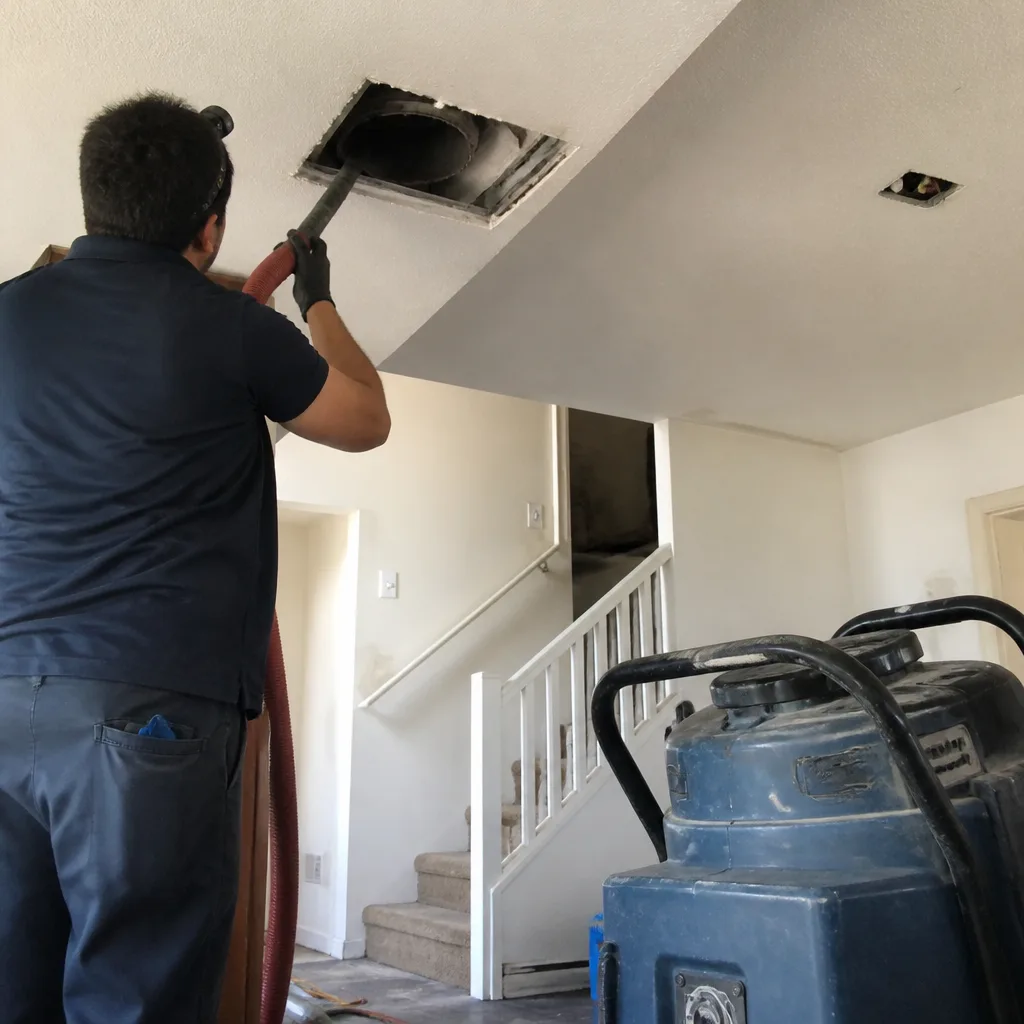 Before
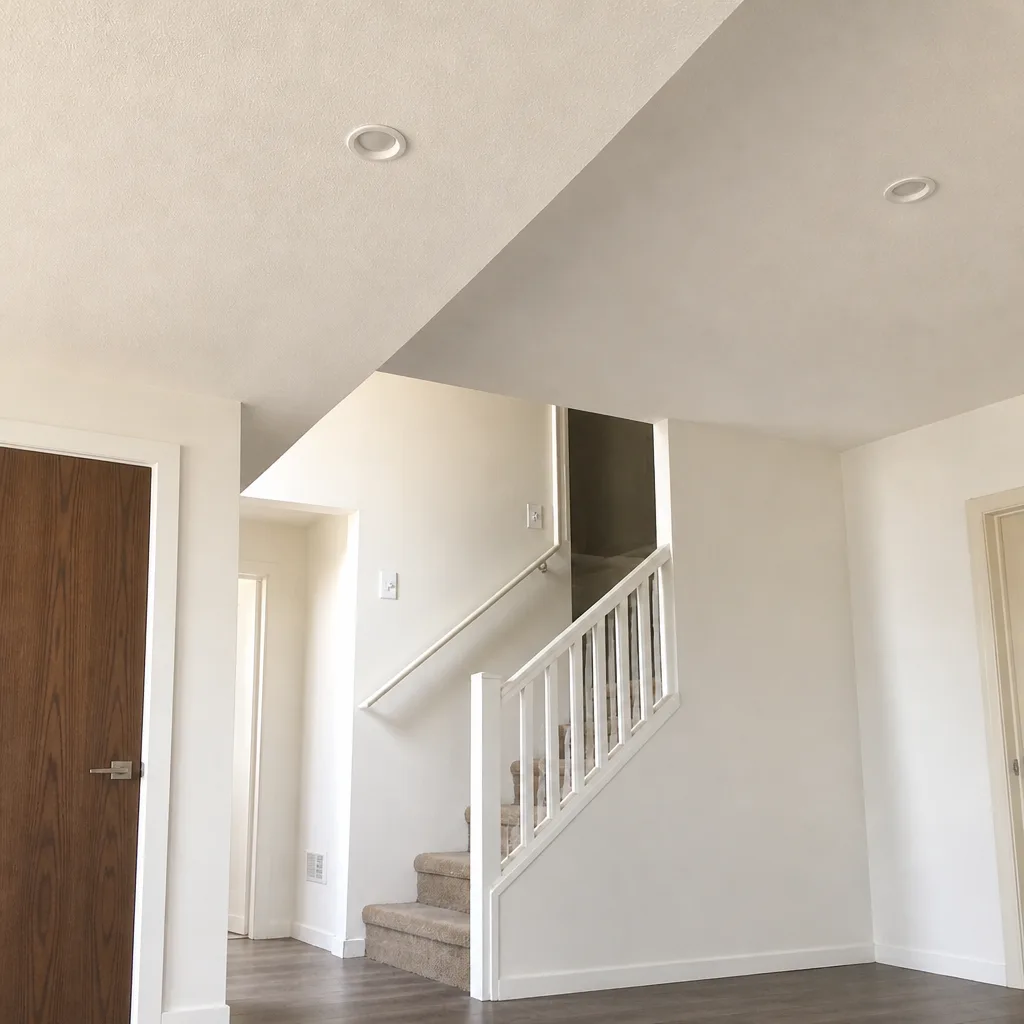 After
When to Call a Professional
Some duct problems are obvious enough to act on. Visible dust blowing from supply registers when the system starts, a musty smell that doesn’t go away after you’ve cleaned and ventilated, streaks of dust around return grilles, or a system that seems to run more than it should. If you’ve recently renovated and know that drywall dust or construction debris got into the system, that’s a cleaning job, not a wait-and-see job. Damaged or disconnected duct sections, which camera inspection can usually spot, are worth fixing before they cost you more conditioned air.
For dryer vent service, a longer-than-usual dry cycle or lint accumulating where it shouldn’t are reasons to schedule dryer vent cleaning rather than wait. You can read more about the broader service at Highpoint Duct Cleaning.
Highpoint Duct Cleaning offers free estimates in Spring Valley. Air duct cleaning estimates start with an on-site look at your system, and the written estimate sets the final price. Call (866) 724-9559 to schedule. We answer 24/7. Fast dispatch from 7am to 7pm, Sunday through Friday.
Frequently Asked Questions
Ask the company for the name it’s listed under, then search the NADCA registry yourself and confirm the match. Familiarity with the ACR standard shows in how a company works, not just in what it claims, so also check whether it performs an on-site assessment and gives you a written scope before quoting a price. A company that does both is following the process in practice.
Expect professional-grade vacuum equipment with HEPA filtration in the exhaust path and a rotary brush system for agitating duct surfaces. Purpose-built equipment like Nikro vacuums and Rotobrush rotary brushes is designed for whole-house duct systems, while a shop vac and an improvised brush are not. Filtration matters as much as suction, since HEPA capture is what keeps loosened debris from ending up in your rooms.
A very low quote usually reflects skipped steps: no camera inspection, no HEPA filtration, minimal time on site, or a per-opening price that grows once the technician is inside. The honest comparison isn’t the advertised number, it’s the written scope behind it. Ask what’s included, get it in writing, and compare scopes rather than headlines.
A company with repair capability can, and that’s a meaningful difference. Our teams perform Air Duct Repair, so disconnected joints, crushed sections, and leaks found during cleaning get fixed in the same visit rather than deferred to a second contractor. Ask any company upfront whether it performs repair itself or refers it out.
Most local jurisdictions don’t require a permit for routine duct cleaning, but if the work involves repair or alteration of the duct system, the rules can vary, so it’s worth confirming with your city’s building department. Ask the company whether any aspect of your job falls under a permit requirement before work is scheduled, and get the answer in writing.
There’s no single universal schedule. It depends on your system, your filtration, whether there are pets, recent renovations, and what an assessment actually finds. Rather than committing to a fixed interval, have the system assessed with a camera and decide based on what’s there. If the assessment shows light surface dust only, the honest answer may be that you can wait.
The Bottom Line
The brand that earns your trust should be able to prove why. Look for professional-grade equipment with real negative pressure and HEPA capture, familiarity with the NADCA ACR standard that you’ve verified yourself, a written scope based on an on-site assessment, and repair capability that solves duct problems rather than cleaning around them. Compare companies on those factors instead of star ratings and advertised prices. In Spring Valley, the gap between a serious operator and a low-bid one shows up in exactly those four places, and a company that answers the questions clearly is a company worth booking.
Highpoint Duct Cleaning works with the equipment and the repair capability described here, and we’re glad to answer the questions above for your home. Call (866) 724-9559 for a free estimate. We answer 24/7. Fast dispatch from 7am to 7pm, Sunday through Friday.
Written by the team at Highpoint Duct Cleaning.